Containerized applications can be created, moved, and replaced in seconds. Their data cannot always move so easily. A database pod may restart after a node failure, while customer records must remain intact. That tension makes container storage solutions a core part of reliable infrastructure, not a minor configuration choice.
Kubernetes storage contributor Saad Ali’s work on the Container Storage Interface highlights the value of a common way to connect orchestration platforms with storage systems. A practical principle follows: “Choose storage for the workload, not the trend.” This is an editorial takeaway, not a verbatim quotation. It frames the comparisons ahead: persistent volumes for stateful applications, local storage for low-latency tasks, and network or cloud-backed options for shared access and resilience. Each choice involves trade-offs. Local disks can be fast, but node loss may complicate recovery. Shared storage can simplify access, yet add cost or latency. There is no universal winner.
The sections that follow examine performance, durability, scalability, security controls, and operational effort. They also consider how Container Storage Interface (CSI) drivers connect Kubernetes to different storage platforms. Look beyond headline speed. Check backup procedures, recovery time, and behavior during an outage. Small details matter. A storage plan may look excellent on a diagram and still frustrate the team operating it. That deserves a closer look. The goal is not to crown one solution, but to identify a dependable fit for each workload and its real operating conditions.

Container storage is not just a matter of choosing a box with enough space. The right setup depends on what you store, how often you need access, and how long items will remain inside. A dry, level surface helps keep doors aligned and reduces standing water around the base. Leave room to open the doors fully, and place heavier items low with weight spread across the floor. Small details matter.
Moisture deserves particular attention. Temperature changes can create condensation, especially when damp goods enter a closed container. Dry items before loading, keep boxes off the floor with suitable pallets, and allow modest airflow where practical. A standard container does not control temperature or humidity. For sensitive materials, protective packaging or monitored environmental controls may be necessary. It is easy to assume a sealed door means a stable environment; it does not.
Tips: Check seals, roof edges, and door operation before loading, then inspect them periodically. Keep a simple inventory and leave a clear aisle for frequently used items. One detail to reconsider: tightly packing every gap can save space, but may make checks and retrieval frustrating later.
Container storage should be judged against the work it must support, not a capacity figure alone. Compare usable space after replicas, snapshots, and reserved overhead. Test real workloads. Measure read and write latency, throughput, and performance during traffic spikes.
A service handling small database updates may need low latency, while image processing may favor sustained throughput. Check whether storage can expand without disruptive migration.
Small details matter.
Reliability also depends on recovery and day-to-day operations. Ask how data is replicated, how failed volumes are rebuilt, and how long restoration takes. Review access controls, encryption options, audit records, and backup separation.
These safeguards should fit the sensitivity of the data and the team’s operating skills. Calculate total cost across storage, network traffic, support, and staff time, not just the initial quote. Then run a pilot with realistic container restarts and node failures.
One awkward truth: benchmark results can look excellent until noisy workloads share the same system. Leave room for that uncertainty, and document the trade-offs before deployment.
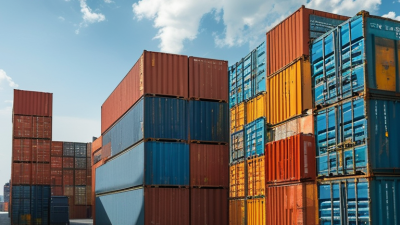
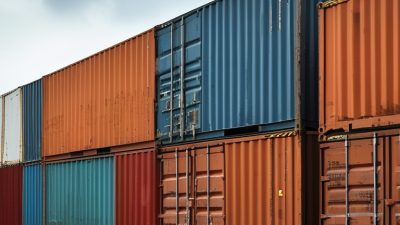
Container storage solutions vary by capacity, access, and climate control. Standard dry containers suit tools, furniture, and boxed inventory that must stay sheltered from rain. High-cube units add vertical space for tall equipment or carefully stacked goods. They can feel roomy, but poor packing still wastes floor space.
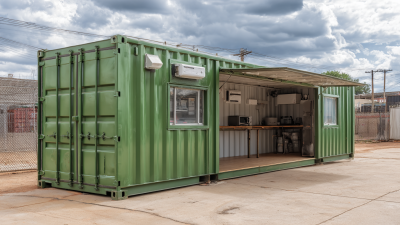
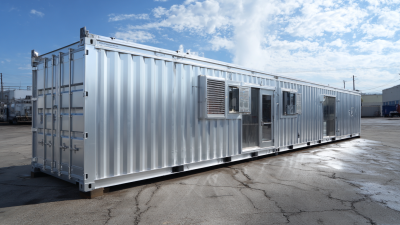
Refrigerated containers maintain controlled temperatures for suitable temperature-sensitive products. They need a dependable power supply and regular checks of seals and temperature readings. Open-side containers provide wider access for bulky items, while modified units may include shelving, lighting, or ventilation. Each feature adds convenience, but it can also increase maintenance needs. That trade-off is easy to miss.
Tips: Measure the largest item and the doorway before choosing a unit. Leave a clear path to frequently used supplies. Check the ground for level support, and inspect for leaks after heavy rain. Keep a simple inventory near the entrance. It sounds obvious. I still find that labels can fade, so use durable tags and review them periodically.
Standard dry containers suit general cargo, high-cube containers provide extra vertical space, and refrigerated containers support temperature-sensitive goods. Volumes are approximate; actual dimensions vary by specification. Open-top, flat-rack, and tank containers are specialized options whose usable capacity is not directly comparable by enclosed internal volume.
Container storage platforms differ less by their dashboards than by how they attach, protect, and recover data. A persistent volume may be provisioned on local disks, shared network storage, or a distributed system. Each choice changes latency, failure handling, and operational effort. Block storage suits databases that need predictable, low-latency reads and writes. File storage supports shared directories, while object storage works well for large collections of separately accessed files. That matters.
Platforms also vary in how they connect storage to container workloads. A standard integration layer can simplify provisioning, but drivers still determine which features are available. Check support for snapshots, volume expansion, encryption, and backups rather than assuming these work everywhere. Some systems replicate data across nodes; others rely on an external storage array. Replication can improve recovery, but it may add network traffic and consume extra capacity. Not always.
For a practical comparison, test a small workload that resembles production: write batches of different sizes, restart a container, and restore a snapshot. Measure response time during normal use and while a node is unavailable. Read the recovery steps, too. They can look simple in documentation, yet require careful coordination during an outage. A platform with fewer features may be easier to operate; a feature-rich option can still create more work than expected.
A container’s storage should match its workload, not just its image size. A web service that can rebuild its cache may need fast, temporary storage. A database is different. It usually needs persistent volumes, predictable latency, and a tested recovery path. Losing a cache is inconvenient. Losing unreplicated records can be serious.
For frequent small reads and writes, block storage can offer low-latency access, but capacity and throughput limits need checking. Shared file storage suits workloads where several containers must access the same files, such as team content or rendered assets. Object storage fits large, durable collections, including logs and media, though applications often need changes to use its API. Measure real behavior: queue depth, peak write rate, and recovery time matter more than a tidy storage chart.
Separate temporary files from data that must survive container replacement. Set realistic storage requests and limits, then test restart, rescheduling, and backup restoration before production. Keep it simple. A small test with representative data can reveal slow startup or unexpected write bursts. One judgment may still be wrong: early traffic rarely predicts every future pattern. Review metrics regularly, and resize or change the storage model when evidence supports it.
| Storage solution | Access model | Key characteristics | Best suited workloads | Main trade-offs |
|---|---|---|---|---|
| Ephemeral container storage | Container-local, typically writable by one container | Fast access to temporary files; data is tied to the container lifecycle and may be lost when the container is replaced. | Caches, scratch space, temporary processing files, and other data that can be recreated. | Not appropriate for data that must survive container replacement or rescheduling. |
| Node-local persistent volume | Block or filesystem access on a specific node | Can provide low-latency access and high throughput, but the data is physically associated with a node. | High-performance workloads that can tolerate node-aware scheduling, such as local databases or data-processing tasks. | Pod movement and node failure require careful planning; portability and recovery depend on the storage design. |
| Network block storage | Block device, commonly mounted by one node at a time | Provides persistent volumes that can be attached independently of a container; filesystem and database behavior depend on configuration. | Transactional databases, queues, and applications that require persistent, low-latency random reads and writes. | Latency and throughput depend on the network and storage service; concurrent multi-node access is not generally safe without suitable clustering or a shared filesystem. |
| Shared file storage | Filesystem access, often mountable by multiple nodes | Offers familiar directory and file operations and can let multiple workloads access shared data, subject to the filesystem’s consistency and locking behavior. | Shared content, team directories, web assets, and applications that need a common filesystem across replicas. | Performance, locking, and consistency characteristics vary; it may not match block storage for latency-sensitive random I/O. |
| Object storage | Object API over a network; not inherently a mounted filesystem | Stores data as objects with metadata and is designed for scalable access to large collections of unstructured data. | Backups, media, logs, archives, and application data accessed through an object interface. | Applications usually need to use an object API; it is not a direct substitute for a POSIX filesystem or a low-latency block device. |
| In-memory storage | Memory-backed temporary filesystem | Very low-latency temporary storage; consumes memory resources and is not durable across container or node loss. | Small temporary files, sensitive transient data, and latency-critical scratch workloads. | Memory use must be limited and monitored; data disappears when the relevant container or node stops. |
Selection tip: Match the access pattern, durability, sharing requirements, latency, and recovery needs of the workload. Confirm volume access modes and failure behavior in the target container platform and storage implementation.
Subscribe to our newsletter for the latest news and exclusive offers.
We hold a long-term view when we build modular rooms taking into consideration your changing needs. Whether it’s shifting your workspace to a new site, redesigning your unit to fit new requirements, or simply clearing the area at the end of the project, our Dismantling & Reassembling teams are pressed into service to get the job done in the quickest possible time and minimum resource wastage.
We understand that every project is unique and therefore has a different set of requirements. That’s why we believe in customizing our solutions to fit individual needs. We are equipped with the right talents, technology, and skillset to offer bespoke modular units, without compromising on turnaround time or quality.
The benefits of choosing Containers ME continues long after the installation of the units as we provide aftersales service for as long as you need. All you have to do is sign the Annual Maintenance Contract (AMC) and enjoy technical support for all the maintenance-related issues. By signing the contract, you can rest assured that a highly professional team of dedicated staff are at your service all year round to attend to your needs.
We specialize in Customized Container Solutions designed to meet diverse needs across the UAE. Our offerings include customized modular containers that cater to various applications, from tailor-made container solutions to bespoke container designs.
Whether you’re looking for personalized container homes or custom modular containers, we have you covered. Our customized container offices provide functional workspaces, while our customized portable containers ensure flexibility on-site. Explore our range of custom container storage units and customized cargo containers to optimize your space.
We also offer custom container leasing and custom container fabrication services, along with customized sea containers designed for secure transport. For specialized needs, our specialized container modifications will help you create the perfect solution for your requirements in both Dubai and the broader UAE.