Blogs

What Are the Top Deck Boards for Outdoor Use?

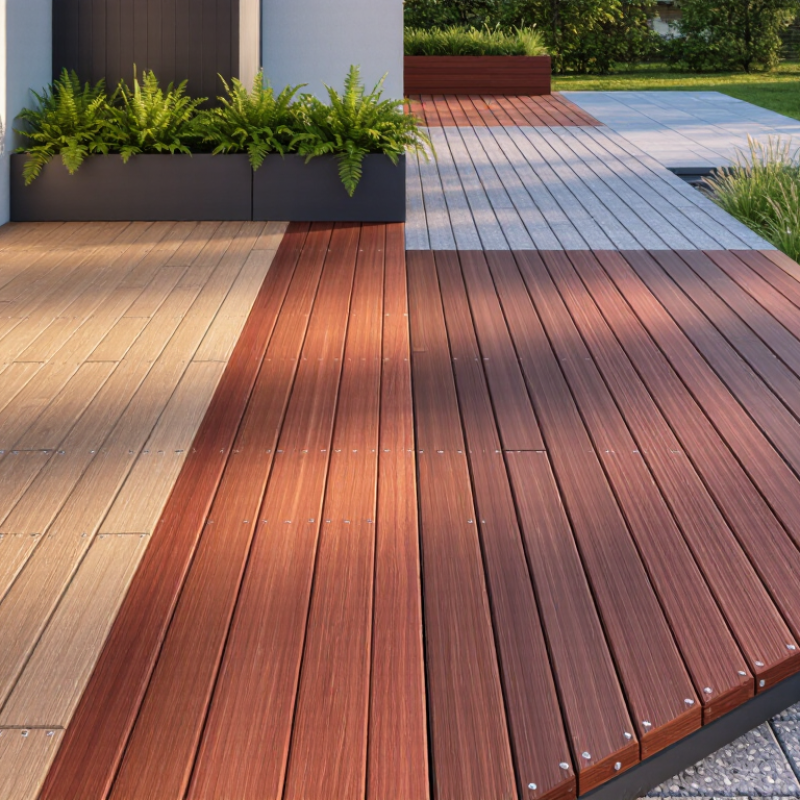
Choosing Deck Boards for outdoor use means balancing durability, comfort, maintenance, and cost—not simply picking the most attractive sample. Sun, rain, freeze-thaw cycles, and damp shade can affect boards differently. A surface that feels cool and smooth in a showroom may become hot, slippery, or demanding to maintain on a real patio. Small details matter: drainage beneath the boards, spacing between them, and how often the deck will be cleaned.

Industry data offers useful context, but it cannot name one best material for every home. Zonda’s 2024 Cost vs. Value report estimated national average cost recoup at resale of 82.9% for a wood deck addition and 68.2% for a composite deck addition. These figures describe estimated project costs and resale value, not product lifespan or performance in every climate. Treat them as a benchmark, not a promise. That matters. This guide compares common options, including pressure-treated wood, cedar, tropical hardwood, and composite boards, with attention to upkeep, weather exposure, installation needs, and likely long-term value. No board is perfect. Even durable materials can disappoint when poorly installed or mismatched to local conditions. The practical choice is the one that suits your climate, budget, and willingness to maintain it.
What Are the Top Deck Boards for Outdoor Use?

What Makes a Deck Board Suitable for Outdoor Use?

What Are the Top Deck Boards for Outdoor Use?

What Makes a Deck Board Suitable for Outdoor Use?

A suitable outdoor deck board must withstand moisture, sunlight, temperature changes, and regular foot traffic. It should resist swelling, splintering, and surface wear under local conditions. On a damp morning, grip matters. Water should drain rather than collect in grooves or between boards.

That detail is easy to overlook when choosing from a dry showroom sample. A board’s color and texture can also change after months of sun exposure, so check care instructions and expected fading before deciding.

Different materials handle these stresses in different ways. Treated timber can be practical, but it may need periodic cleaning and protective treatment. Naturally durable wood can weather attractively, though its color may shift and boards can vary. Composite boards often need less surface treatment, but some become hot in direct sun and still require cleaning.

No option is maintenance-free, despite how tidy a sample looks indoors. Look for a surface suited to wet feet, compatible fasteners, and clear guidance on spacing and ventilation. Installation matters too: trapped moisture beneath a deck can shorten the life of even a durable board. Consider your climate, shade, drainage, and willingness to maintain the surface before choosing.

Which Deck Board Materials Are Most Common?

Outdoor deck boards usually fall into two groups: wood and manufactured materials. Pressure-treated lumber is common because it is widely available and often costs less upfront. It can be cut and fastened with standard tools, but it needs regular cleaning and protective finishes. Check boards for warping before installation; a slight twist can make gaps uneven. Cedar and redwood are naturally more resistant to decay than many untreated woods. Their grain feels warm underfoot, though color can fade to gray without maintenance. Tropical hardwoods are dense and durable, but their weight can make cutting and installation more demanding. Looks matter.

Composite boards combine wood fibers with plastic, while PVC boards are made primarily from plastic. Both are valued for lower routine maintenance than wood, but they are not maintenance-free. Dirt can collect between boards, and some products may feel hot in direct summer sun. Composite formulas and surface textures vary, so compare samples outdoors, not just under store lighting. A light board may show grime; a dark one may show dust. There is no perfect material, and it is easy to focus too much on appearance. Match the board to your climate, budget, and willingness to clean or refinish it.

What Are the Top Deck Boards for Outdoor Use?

Typical service life varies by climate, installation, and maintenance. Bars show the midpoint of the approximate lifespan range for each common deck-board material.

Approximate ranges: pressure-treated wood 10–15 years; cedar 15–20; redwood 15–20; tropical hardwood 25–50; composite 25–30; PVC 25–30. Actual lifespan can differ considerably with exposure and care.

How Do Deck Board Options Compare in Durability and Cost?

Deck boards differ most in upfront cost, maintenance, and how well they handle local weather. Pressure-treated lumber is often the least expensive option to buy, but it needs regular cleaning, sealing, and checks for splinters or rot. Cedar and similar naturally durable woods can resist decay, though they may cost more and still need care. Their color also changes outdoors. That trade-off is easy to underestimate.

Tips: Compare installed prices, not just the cost per board. Ask whether the quote includes framing, fasteners, and waste. Check a sample in direct sun; a board that looks cool in a showroom may feel hot underfoot on a summer afternoon.

Composite boards usually cost more upfront than basic lumber, but they generally need less routine staining and sealing. Their durability varies by construction, and scratches, fading, or heat can still matter. PVC boards handle moisture well, but can be pricier and may expand or contract with temperature changes. There is no universal winner. For a shaded, wet deck, moisture resistance may matter most; for a tight budget, lower-cost wood may make sense if ongoing upkeep is acceptable. Local climate, installation quality, and maintenance habits can change the real long-term cost.

Which Boards Suit Different Climates and Outdoor Needs?

Choosing deck boards starts with the weather they will face. In damp or rainy climates, naturally durable wood or quality composite boards can resist frequent moisture, but neither removes the need for airflow beneath the deck. Keep gaps clear so water does not linger around the joists. Pressure-treated lumber is often a practical choice, though it needs suitable sealing and regular inspection. Look closely at cut ends and shaded areas; they may weather differently from sunlit boards.

Hot, sunny yards call for boards that tolerate ultraviolet exposure and surface heat. Lighter colors may feel more comfortable under bare feet, while darker boards can become noticeably hot at midday. Composite boards often need less routine staining, but some expand with temperature changes, so installation gaps matter. In freeze-thaw regions, prioritize drainage and avoid letting snowmelt collect between boards. Coastal air adds another concern: salt can accelerate corrosion in fasteners, so use compatible corrosion-resistant hardware. Small details count.

There is no perfect board. A durable surface may cost more upfront, and lower-maintenance materials can still fade or scratch. Think about shade, foot traffic, pets, and how often you are willing to clean and inspect the deck. Even a careful choice can disappoint if the framing traps water.

How Can You Choose and Maintain the Right Deck Boards?

Choosing deck boards starts with the site, not the sample color. Consider rain, sun exposure, foot traffic, and how much upkeep you can realistically manage. Pressure-treated wood is often budget-friendly, but it needs periodic cleaning and protective coatings. Naturally durable wood can offer a different look, while composite boards reduce routine staining but may feel hotter in direct sun. Check the manufacturer’s installation guidance, especially spacing and ventilation; trapped moisture can shorten a deck’s life. The USDA Forest Products Laboratory’s Wood Handbook explains how moisture and weathering affect wood performance. A board that looks perfect in a showroom may behave differently beside a wet garden.

Cost deserves a clear-eyed look. JLC’s 2024 Cost vs. Value report estimated a national average cost of about $17,615 for a wood deck addition, compared with about $24,206 for a composite deck. These are project-level estimates, not board prices, and local labor and design can change them considerably. For maintenance, sweep debris from gaps, wash with a suitable cleaner, and inspect fasteners and board ends each year. Replace boards that split, loosen, or hold standing water. Small details matter. I still find that people underestimate how quickly leaves collect between boards.

Tips: Keep a small offcut from your chosen board. Test cleaners on it first, and follow the product instructions before treating the whole deck. If boards remain damp after rain, check drainage and airflow before applying a finish.

What Are the Top Deck Boards for Outdoor Use? - How Can You Choose and Maintain the Right Deck Boards?

Deck Board Type Typical Upfront Cost Indicative Service Life Maintenance Needs Key Advantages Things to Consider A Good Fit For
Pressure-Treated Softwood Low Often about 10–15 years with suitable installation and care Clean periodically; inspect for damage; apply a compatible water-repellent sealer or stain as needed. Widely available, relatively affordable, and treated to resist many forms of decay and insect damage. Can split, warp, or discolor; treatment does not make the boards maintenance-free. Use corrosion-resistant fasteners appropriate for treated lumber. Cost-conscious projects where regular inspection and upkeep are acceptable.
Cedar or Redwood Moderate to high Often about 15–25 years, depending on species, exposure, and upkeep Clean and inspect regularly. A suitable stain or sealer can help preserve color and limit moisture-related wear. Natural wood appearance, relatively easy to cut, and naturally resistant to decay compared with many untreated softwoods. Can weather to a gray color and may still fade, crack, or require refinishing. Availability and price vary by region. People who prefer real wood and are willing to perform periodic maintenance.
Tropical Hardwood High Often 25 years or more when properly selected, installed, and maintained Clean periodically; follow species-specific guidance for oiling or other finishes. Use suitable pre-drilling and fasteners. Dense, durable wood with a distinctive natural appearance and good resistance to wear. Heavy and difficult to work with; may weather in color. Check responsible sourcing and confirm the species is suitable for the local climate. Premium decks where natural wood character and durability are priorities.
Composite Moderate to high Many products are designed for long-term use; actual service life depends on the product, installation, and exposure Wash with water and a cleaner approved for the board. Remove debris from gaps and follow product-specific care instructions. Typically needs no painting or staining; available in a range of colors and wood-look finishes. Can become hot in direct sun; surface appearance and stain resistance vary by formulation. Allow for the specified expansion and fastening requirements. Homeowners seeking a wood-like appearance with less routine refinishing.
PVC (Cellular or Solid Polymer) High Product-dependent; check the manufacturer’s published service guidance and warranty terms Generally requires washing and debris removal; use only cleaning methods approved for the specific boards. Contains no wood fiber, resists moisture-related rot, and does not require painting or staining. Can feel hot in sunlight and may have a more synthetic appearance. Expansion, fastening, and color behavior vary by product. Moisture-exposed locations or projects where avoiding wood-based boards is a priority.

Choosing and maintaining boards: Compare the full installed cost, local climate, drainage, slip resistance, expected foot traffic, and the framing requirements for the selected board. Service-life figures are general estimates, not guarantees; installation quality, ventilation, maintenance, and product specifications can substantially affect performance. Follow the board manufacturer’s care and fastening instructions.

Article Source:

Plug & Play Installation

Our installation services are top-notch, delivering modular systems for any application on time in plug & play condition. We leave nothing for you to figure out, set up, or fix. All you’ve to do is just step in, and get going with your business.

Dismantling & Reassembling

We hold a long-term view when we build modular rooms taking into consideration your changing needs. Whether it’s shifting your workspace to a new site, redesigning your unit to fit new requirements, or simply clearing the area at the end of the project, our Dismantling & Reassembling teams are pressed into service to get the job done in the quickest possible time and minimum resource wastage.

Interior Designing

Our interior designs combine both functional and aesthetic aspects to provide you with physical and emotional comfort. We ask you for your preferences and give the best possible solutions aligned to your tastes. Our units are built to be modern, stylish, and elegant.

Bespoke Solutions

We understand that every project is unique and therefore has a different set of requirements. That’s why we believe in customizing our solutions to fit individual needs. We are equipped with the right talents, technology, and skillset to offer bespoke modular units, without compromising on turnaround time or quality.

Aftersales Service

The benefits of choosing Containers ME continues long after the installation of the units as we provide aftersales service for as long as you need. All you have to do is sign the Annual Maintenance Contract (AMC) and enjoy technical support for all the maintenance-related issues. By signing the contract, you can rest assured that a highly professional team of dedicated staff are at your service all year round to attend to your needs.

Customized Container Solutions

We specialize in Customized Container Solutions designed to meet diverse needs across the UAE. Our offerings include customized modular containers that cater to various applications, from tailor-made container solutions to bespoke container designs.

Whether you’re looking for personalized container homes or custom modular containers, we have you covered. Our customized container offices provide functional workspaces, while our customized portable containers ensure flexibility on-site. Explore our range of custom container storage units and customized cargo containers to optimize your space.

We also offer custom container leasing and custom container fabrication services, along with customized sea containers designed for secure transport. For specialized needs, our specialized container modifications will help you create the perfect solution for your requirements in both Dubai and the broader UAE.

Get a quote

Get a quote