As the culinary landscape evolves, Electric Food Trucks are becoming more prominent. Industry expert Sarah Wilson, who specializes in mobile food solutions, once stated, “The future of food trucks is electric; they are eco-friendly and efficient.” Her insight highlights the shifting dynamics in the food industry.
Electric Food Trucks are not just a trend. They represent a sustainable shift towards greener options. This transition also poses challenges for existing food truck operators. The upfront costs can be daunting, and infrastructure for charging is still developing. This raises questions about accessibility and convenience.
Embracing Electric Food Trucks means considering the larger picture. They offer benefits like reduced emissions and lower operating costs. Yet, adapting to new technology requires time and resources. Operators must weigh these factors carefully before making the leap into this exciting new world.
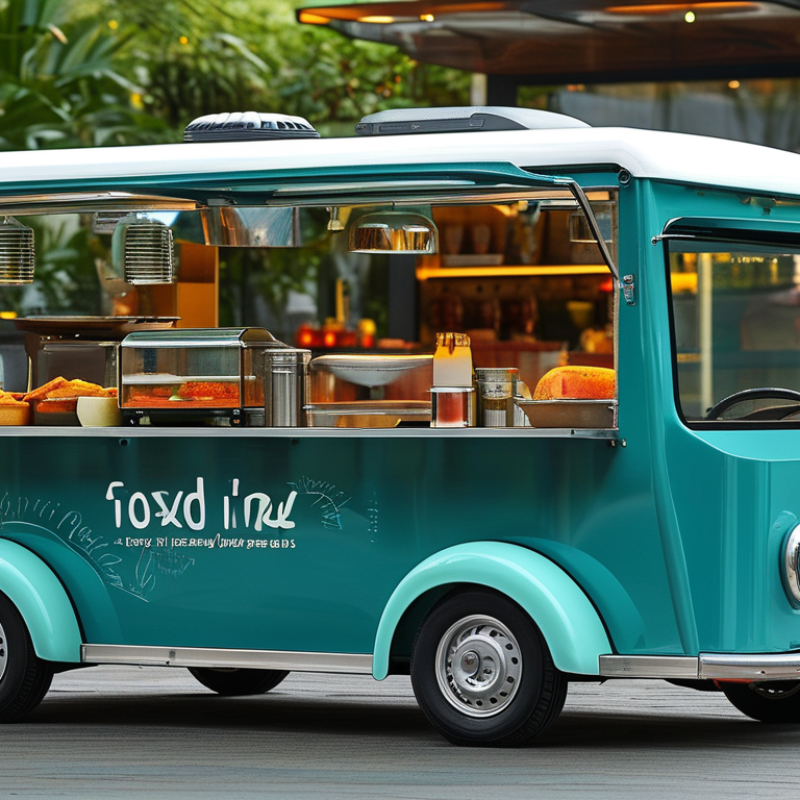
Electric food trucks are rapidly gaining traction in the culinary world. Their eco-friendly nature aligns with growing consumer demand for sustainable practices. According to a report by the National Restaurant Association, 73% of consumers believe that sustainability is key when choosing where to eat. This trend has spurred many food entrepreneurs to switch to electric models.
The benefits of electric food trucks are significant. They reduce carbon emissions and lower fuel costs, which can improve profit margins. A recent industry analysis indicates that operating an electric food truck can save up to 70% on fuel costs compared to traditional diesel engines.
However, there are challenges that entrepreneurs should consider. Electric food trucks require access to charging infrastructure. Some areas may lack adequate charging stations, limiting operation hours.
Tips: Research local regulations regarding electric vehicle use. Check if incentives are available for electric food truck operators. Networking with other electric food truck owners can provide insights into optimizing operations. Embracing innovation is crucial, as the industry evolves rapidly with new technologies.
Electric food trucks can transform your culinary business, but readiness for change is paramount.

When considering an electric food truck, key features play a crucial role. Battery capacity is essential for ensuring long hours of operation. A larger battery means more time to serve customers without frequent recharging. Evaluate the charging options available. Fast chargers can save you precious time during busy periods.
Another important factor is the truck's size and layout. Ensure there is adequate space for cooking equipment and storage. A well-designed kitchen can boost efficiency, making service smoother. Check the weight limits, as this affects how much you can carry.
Tips: Pay attention to customer reviews regarding durability. This can be a good indicator of long-term reliability. Investigate the warranty offered by the manufacturer. A strong warranty shows confidence in the product's performance.
Consider the truck's overall design and aesthetic appeal. An attractive food truck can draw more customers. Uniqueness can help you stand out in a crowded market. Reflecting on your needs can guide your decision-making process. Balancing cost and features will lead to a more satisfying purchase in the end.
| Model | Range (miles) | Battery Capacity (kWh) | Charging Time (hours) | Payload Capacity (lbs) |
|---|---|---|---|---|
| Model A | 150 | 80 | 4 | 2000 |
| Model B | 120 | 70 | 5 | 1800 |
| Model C | 140 | 90 | 6 | 2200 |
| Model D | 160 | 100 | 4.5 | 2100 |
| Model E | 130 | 75 | 5.5 | 1900 |
| Model F | 110 | 60 | 6.5 | 1700 |
| Model G | 170 | 95 | 4 | 2300 |
| Model H | 125 | 65 | 5 | 1650 |
| Model I | 155 | 85 | 3.5 | 2050 |
| Model J | 145 | 78 | 5.5 | 1950 |
Electric food trucks are revolutionizing the food service industry. By offering a sustainable alternative, they appeal to environmentally-conscious consumers. A recent report showed that the global electric food truck market is projected to grow at a CAGR of 25% between 2023 and 2030. This data indicates an increasing acceptance of electric-powered mobile kitchens.
When considering specifications, various electric food truck models feature diverse battery capacities and power outputs. For instance, some models possess a 100 kWh battery, which can provide approximately 150 miles on a single charge. This range allows for more flexible operation in urban settings. Charging time can vary, with fast chargers enabling a full charge in just three hours. However, the efficiency of charging infrastructure can be a point for reflection.
Some electric food trucks incorporate advanced technologies such as solar panels or regenerative braking systems. These innovations enhance energy efficiency. Yet, the initial investment remains significant. Depending on size and features, costs can exceed $100,000. Operators must weigh the benefits of sustainability against the financial burden. Balancing cost and eco-friendliness is essential for success in this evolving marketplace.
The electric food truck revolution is gaining momentum, and efficiency is a key focus. Many models boast impressive battery ranges, often exceeding 150 miles. However, real-world performance can vary. Some trucks struggle to maintain speed on hilly terrains, which can impact service times.
Charging infrastructure is another critical factor. While some electric food trucks can recharge in under an hour, access to charging stations remains inconsistent. This can create challenges for vendors at busy events or festivals. Understanding the average energy consumption per meal is also vital. Trucks with higher capacities might use more power, impacting overall efficiency.
Adaptability to different menus is crucial as well. Some electric food trucks can handle diverse cooking requirements, while others may not be as versatile. This affects the range of food offerings and customer satisfaction. As this market evolves, continuous improvements in technology and design will shape the future of electric food trucks.
The future of electric food trucks looks promising as technology advances. Innovations in battery life and energy efficiency are driving this growth. The market is expanding, with more entrepreneurs seeking eco-friendly options. Sustainable practices are becoming essential in the food industry.
Tips for aspiring food truck owners: consider investing in solar panels. They can reduce energy costs significantly. Explore different charging options to ensure constant availability. Flexibility in menu offerings can attract diverse customers.
Electric food trucks face challenges, such as initial investment costs. The technology is still evolving, leading to uncertainties. Business owners should stay informed about industry trends. Researching local regulations can prevent possible setbacks. Regularly evaluating operational efficiency can enhance profitability. Embrace the journey, as each step provides valuable insights.
Subscribe to our newsletter for the latest news and exclusive offers.
We hold a long-term view when we build modular rooms taking into consideration your changing needs. Whether it’s shifting your workspace to a new site, redesigning your unit to fit new requirements, or simply clearing the area at the end of the project, our Dismantling & Reassembling teams are pressed into service to get the job done in the quickest possible time and minimum resource wastage.
We understand that every project is unique and therefore has a different set of requirements. That’s why we believe in customizing our solutions to fit individual needs. We are equipped with the right talents, technology, and skillset to offer bespoke modular units, without compromising on turnaround time or quality.
The benefits of choosing Containers ME continues long after the installation of the units as we provide aftersales service for as long as you need. All you have to do is sign the Annual Maintenance Contract (AMC) and enjoy technical support for all the maintenance-related issues. By signing the contract, you can rest assured that a highly professional team of dedicated staff are at your service all year round to attend to your needs.
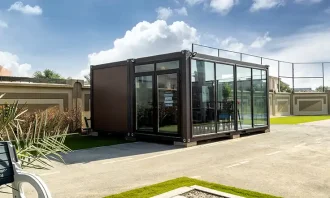
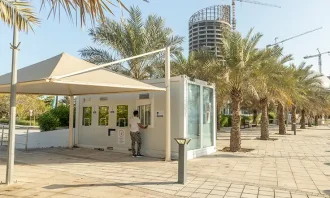
We specialize in Customized Container Solutions designed to meet diverse needs across the UAE. Our offerings include customized modular containers that cater to various applications, from tailor-made container solutions to bespoke container designs.
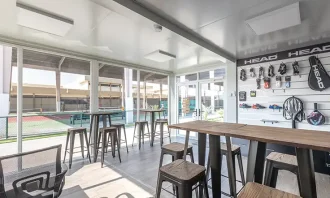
Whether you’re looking for personalized container homes or custom modular containers, we have you covered. Our customized container offices provide functional workspaces, while our customized portable containers ensure flexibility on-site. Explore our range of custom container storage units and customized cargo containers to optimize your space.
We also offer custom container leasing and custom container fabrication services, along with customized sea containers designed for secure transport. For specialized needs, our specialized container modifications will help you create the perfect solution for your requirements in both Dubai and the broader UAE.