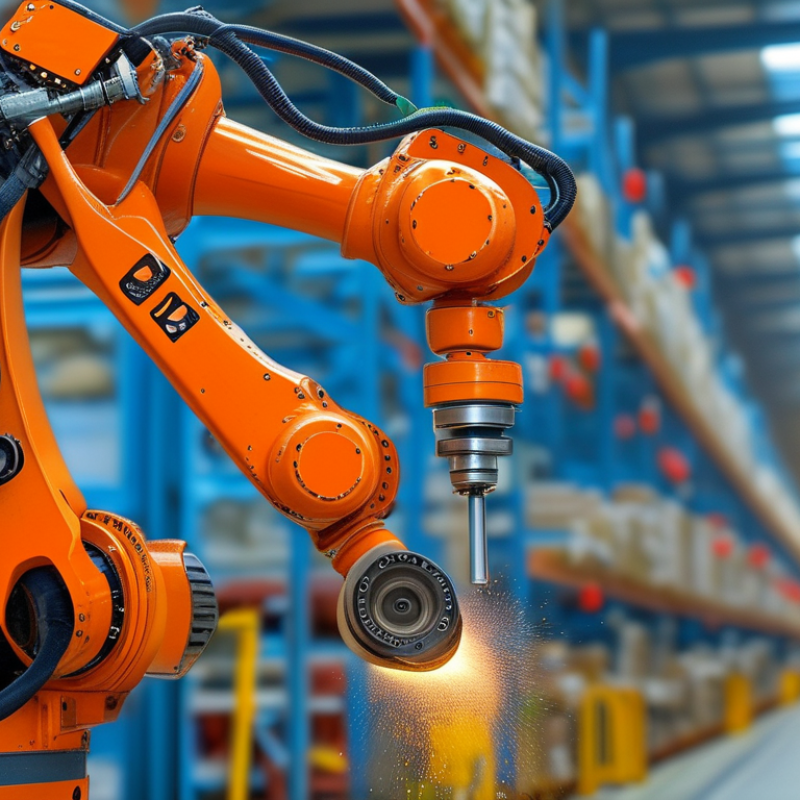
Machinery Sourcing is a crucial process for global buyers, impacting production efficiency and cost management. According to a recent report by the International Federation of Robotics, the global industrial robot market alone is projected to grow by over 10% annually. This growth highlights the increasing reliance on advanced machinery to maintain competitive advantages.
Navigating the complexities of machinery sourcing requires careful consideration of multiple factors. Buyers must assess not only the equipment quality but also supplier reliability and compliance with international standards. Poor sourcing choices can lead to costly delays and compromised production lines. Data from the McKinsey Global Institute shows that companies optimizing their supply chains can improve operational performance by up to 30%.
Buyers should adopt a strategic approach to sourcing machinery. This involves understanding market trends, evaluating supplier capabilities, and conducting thorough due diligence. A miscalculation at this stage can result in significant setbacks. Ultimately, a disciplined and informed approach will equip buyers to make sound decisions, ensuring successful machinery sourcing in a dynamic global market.
Understanding global machinery supply chains requires examining key dynamics and trends. According to recent industry reports, supply chains have become increasingly complex. This complexity stems from globalization, changing trade policies, and fluctuating demand.
Data shows that 75% of companies face challenges in sourcing machinery internationally. Unexpected delays can arise from geopolitical tensions and logistical constraints. For instance, shipping disruptions can lead to significant delays, forcing buyers to adjust their production schedules. Moreover, the average lead time for machinery procurement has increased by over 20% in the past two years.
Buyers must actively monitor shifts in the global market. Trends indicate a growing emphasis on sustainability and ethical sourcing. Many manufacturers are focusing on reducing their carbon footprints. This shift is reflected in 60% of surveyed companies prioritizing suppliers with sustainable practices. Such moves can enhance brand reputation, but they also require investments in compliance and verification. Understanding these dynamics will aid buyers in making informed decisions in their sourcing strategies.

When sourcing machinery, evaluating supplier credentials is crucial. Certifications act as a benchmark for quality and safety. They assure buyers that the equipment meets specific industry standards. For example, ISO certifications indicate adherence to international quality management principles. This can boost a supplier's credibility significantly.
Compliance with local regulations is another vital aspect. Many countries have strict laws governing machinery safety. Suppliers should provide documentation demonstrating compliance with these laws. A lack of proper certification or compliance could lead to significant operational risks. It’s important to consider that some suppliers might falsely claim certifications. Always verify the authenticity of any documents provided.
Buyers should not only rely on certifications but also evaluate past performance. Look for customer reviews or case studies related to the machinery being purchased. This approach gives insight into reliability and service quality. Trust your instincts when something feels off. Evaluating these factors helps mitigate potential issues with machinery sourcing. A thorough vetting process will save time and resources in the long run.
In the world of machinery procurement, understanding cost analysis is crucial. Balancing quality and price can often feel like walking a tightrope. Many buyers initially prioritize lower costs, only to find themselves facing issues due to inferior quality. This can lead to increased maintenance costs and operational disruptions. A thorough evaluation of suppliers is essential to ensure long-term reliability and efficiency.
Investing time in researching the materials used in machinery can provide insight into its overall durability and performance. Buyers should demand transparency from manufacturers, particularly regarding production processes and certifications. For instance, a machinery part made from substandard materials may appear cheaper, but could lead to catastrophic failures down the line. Such instances highlight the importance of not just focusing on the sticker price.
It’s also vital to consider the total cost of ownership, not just upfront figures. Factor in maintenance, downtime, and energy efficiency. These elements can significantly impact the overall expense of machinery over its lifespan. Some buyers may overlook these aspects in their chase for immediate savings, only to regret it later. Recognizing this pitfall can lead to smarter procurement decisions and ultimately foster long-term success.
Technology plays a crucial role in machinery sourcing. Online platforms allow global buyers to compare products easily. Buyers can access detailed specifications, pricing, and reviews. However, relying solely on digital tools can lead to oversights. An excellent online presence doesn’t always mean superior quality.
Virtual demos and video consultations enhance the evaluation process. They provide insight into the machinery's performance in real-world conditions. Buyers should be wary of glossy presentations. Confirming narratives through research and direct communication is vital.
Data analytics is a powerful tool for decision-making. By analyzing market trends, buyers can avoid overpaying. Gathering feedback from previous customers adds another layer of assurance. Each choice requires careful consideration. Technology can streamline sourcing, but human diligence is irreplaceable.
Identifying emerging machinery producers requires thorough market research. A 2022 report by the International Machinery Manufacturers Association highlighted that over 40% of global machinery is manufactured in rapidly developing economies. Southeast Asia and Eastern Europe are notable regions for machine production growth. Local players in these markets often offer competitive pricing and unique engineering solutions tailored to regional needs.
Buyers should analyze local production capabilities. This provides insight into the specific technologies and manufacturing processes used. Many new producers focus on automation and smart machinery. A recent survey indicated that 60% of emerging companies prioritize research and development to enhance product offerings. Such innovation can lead to significant cost savings and efficiency improvements for buyers.
Networking is vital when targeting these producers. Engaging with local trade shows or industry conferences can establish strong relationships. Many emerging manufacturers may lack visibility on international platforms. They often rely on word-of-mouth and local connections, making direct engagement essential. Embracing these insights can lead to fruitful partnerships and successful sourcing strategies in the evolving global market.
Subscribe to our newsletter for the latest news and exclusive offers.
We hold a long-term view when we build modular rooms taking into consideration your changing needs. Whether it’s shifting your workspace to a new site, redesigning your unit to fit new requirements, or simply clearing the area at the end of the project, our Dismantling & Reassembling teams are pressed into service to get the job done in the quickest possible time and minimum resource wastage.
We understand that every project is unique and therefore has a different set of requirements. That’s why we believe in customizing our solutions to fit individual needs. We are equipped with the right talents, technology, and skillset to offer bespoke modular units, without compromising on turnaround time or quality.
The benefits of choosing Containers ME continues long after the installation of the units as we provide aftersales service for as long as you need. All you have to do is sign the Annual Maintenance Contract (AMC) and enjoy technical support for all the maintenance-related issues. By signing the contract, you can rest assured that a highly professional team of dedicated staff are at your service all year round to attend to your needs.
We specialize in Customized Container Solutions designed to meet diverse needs across the UAE. Our offerings include customized modular containers that cater to various applications, from tailor-made container solutions to bespoke container designs.
Whether you’re looking for personalized container homes or custom modular containers, we have you covered. Our customized container offices provide functional workspaces, while our customized portable containers ensure flexibility on-site. Explore our range of custom container storage units and customized cargo containers to optimize your space.
We also offer custom container leasing and custom container fabrication services, along with customized sea containers designed for secure transport. For specialized needs, our specialized container modifications will help you create the perfect solution for your requirements in both Dubai and the broader UAE.