What Are the Top Mobile Container Manufacturers in China?
Choosing among China’s top mobile container manufacturers requires more than comparing factory prices. A reliable evaluation should examine design quality, production experience, material standards, testing records, and after-sales support. These details matter when a mobile container becomes a temporary office, site accommodation, storage unit, or transportable retail space.
Transport geographer Dr. Jean-Paul Rodrigue describes the container as “the basic unit of intermodal transport.” His observation explains why mobility, dimensions, loading points, and structural strength deserve close attention. Chinese manufacturers often offer strong customization, including insulated wall panels, reinforced floors, foldable structures, electrical systems, and rapid-installation layouts. Yet customization can create hidden weaknesses. A lower price may reflect thinner steel, simpler coatings, or limited quality inspection.
This guide compares leading Chinese manufacturers through practical criteria. These include factory capacity, welding consistency, corrosion protection, certification evidence, delivery performance, and communication during installation. Product photographs are useful, but they do not prove long-term reliability. Buyers should request drawings, material specifications, inspection reports, and clear warranty terms.
No ranking is perfect. Supplier performance can vary by project, season, and production team. That is why this review avoids relying on marketing claims alone. It considers observable details, customer experience, and technical documentation. Readers should still verify current certifications and visit a factory when possible. Small checks matter. A clean weld, accurate door frame, and properly sealed roof can determine whether a mobile container performs well after years of movement, weather, and repeated use.
China’s Mobile Container Industry: 2024 TEU Trade and Production Indicators
What Are the Top Mobile Container Manufacturers in China?
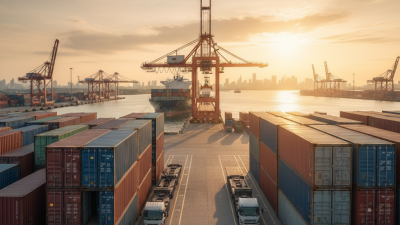
China’s mobile container industry remained a major global supply center in 2024. TEU trade indicators showed strong export activity across standard, refrigerated, storage, and modular units. However, TEU counts measure container capacity, not complete manufacturing value. A large shipment may include basic units with limited equipment.
Production indicators deserve closer attention. Leading manufacturers usually report stable monthly output, automated welding lines, steel processing capacity, and documented quality inspections. Their performance also depends on delivery schedules, coating durability, floor strength, and customization control. In practical purchasing, factory audits often reveal more than catalog claims. Inspectors check weld seams, door alignment, drainage points, and container dimensions.
The strongest manufacturers are not always the largest exporters. Some operate high-volume lines, while others focus on specialized mobile offices, accommodation units, or temperature-controlled containers. Export figures can also be affected by inventory timing and port congestion. That measure can mislead. Buyers should compare annual TEU shipments with production utilization, rejection rates, warranty records, and certification documents. China’s 2024 indicators suggest mature capacity, but uneven consistency remains a concern. A supplier may meet output targets while losing precision during peak seasons. This is where independent inspections and traceable test records become essential.
Top Chinese Manufacturers by ISO 668 Compliance, CSC Certification, and Capacity
China remains the main production base for intermodal containers. Drewry’s Container Census 2024 estimates that Chinese factories supplied about 96% of global dry-container output. However, production volume alone does not identify the best manufacturer.
The stronger candidates demonstrate ISO 668 dimensional compliance and valid CSC safety certification. ISO 668 controls external dimensions, corner fittings, and key interchange requirements. The IMO’s International Convention for Safe Containers requires inspections, testing, and a visible safety approval plate. Check certification scope, issuing authority, and renewal dates. Do not accept a scanned certificate without verification. Capacity also matters. Industry data from Container xChange shows China’s container manufacturing sector operates at very large annual volumes, but factory figures are often self-reported. A claimed capacity may include subcontracted lines. That detail is easy to miss.
Tips: Request a recent production schedule, monthly output, steel-grade records, weld inspection results, and pre-shipment photographs. Compare stated capacity with delivery history. A factory producing thousands of units monthly should provide consistent inspection records. Ask for serial-number traceability, too. It reveals process maturity.
In practical supplier reviews, I would rank manufacturers by verified compliance first, then capacity, quality controls, and delivery performance. Low prices can hide thinner flooring, rushed paint curing, or incomplete documentation. I have found that compliance is clearer than marketing, but even compliance files deserve skepticism. ISO 668 alignment does not automatically prove long-term durability. Production audits and independent inspections remain necessary.
20-Foot, 40-Foot, Reefer, and Modular Container Product Categories
What Are the Top Mobile Container Manufacturers in China?
20-Foot, 40-Foot, Reefer, and Modular Container Product Categories
China’s leading mobile container manufacturers usually serve several practical categories. A 20-foot container suits compact storage, construction sites, and short-distance relocation. Its smaller footprint can simplify placement in narrow yards. A 40-foot unit provides more internal volume for warehouse overflow or project equipment. However, larger capacity also demands stronger access planning and ground support.
Reefer containers require more than insulated walls. Buyers should examine temperature ranges, compressor performance, controller accuracy, and insulation thickness. Ask for test records and inspection procedures. A stable reefer may hold frozen goods at -18°C, but performance depends on loading, airflow, and ambient heat. Small details matter. Door seals often reveal manufacturing discipline.
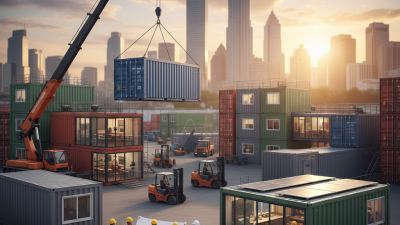
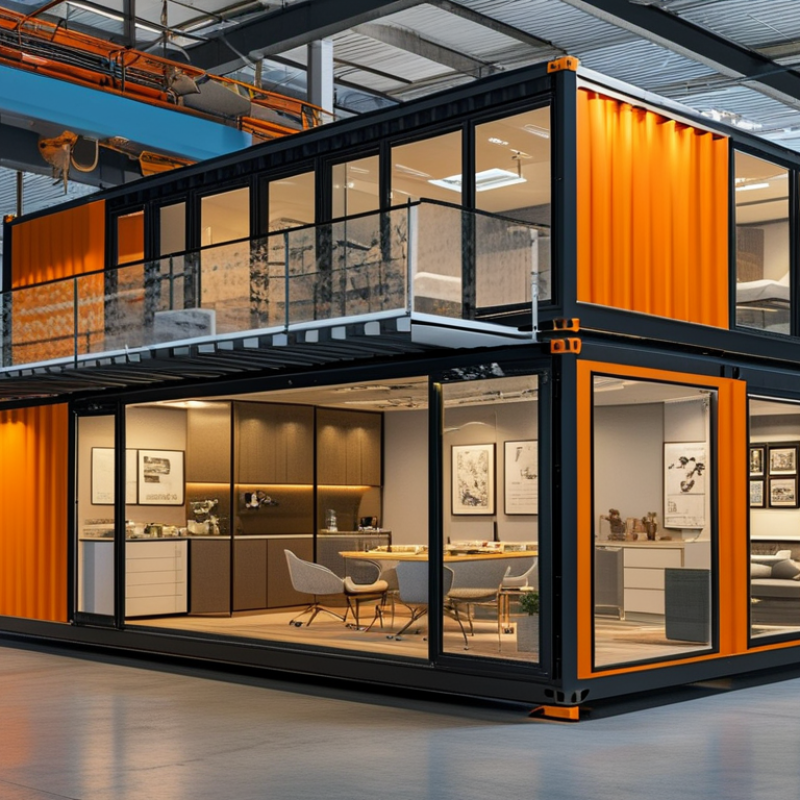
Modular containers support offices, classrooms, accommodation, and temporary facilities. Reliable manufacturers should explain frame materials, fire-resistant panels, drainage, electrical layouts, and installation methods. Factory visits, sample inspections, weld checks, and export documentation can provide useful evidence. Product photographs are not enough. That gap matters.
Manufacturers with adaptable production lines may offer customized doors, windows, flooring, lifting points, and internal layouts. Still, customization can introduce delays or quality differences between samples and bulk orders. I would request a prototype, dimensional drawings, material specifications, and a clear inspection plan before placing a large order. A polished quotation does not always prove technical reliability. Personally, I would value transparent limitations over impressive promises.
Manufacturer Comparison: Payload, Tare Weight, Lead Time, and Warranty Data
China’s leading mobile container manufacturers should be compared by verified specifications, not catalog language. Payload often ranges from 10 to 30 tonnes, depending on the chassis, floor design, and lifting system. Tare weight may vary by several hundred kilograms. That difference affects fuel use, loading permits, and daily operating cost.
Lead time is another practical separator. Standard units may ship within four to eight weeks, while insulated walls, hydraulic equipment, or custom doors can extend production beyond twelve weeks. Ask for a written schedule with drawing approval, factory testing, and port delivery dates. Warranty terms commonly range from one to three years, but coverage can exclude wear parts, corrosion, or improper maintenance. A long warranty is not automatically better.
Tips:
Request a payload certificate, tare-weight record, inspection photos, and spare-parts list. Compare the same configuration. Otherwise, the numbers mislead.
In my experience, the strongest supplier is rarely the cheapest quote. A heavier container may offer better durability, yet reduce usable payload. A shorter lead time may also mean fewer customization checks. I would inspect weld quality, door alignment, drainage points, and hydraulic seals before signing. These details are easy to overlook. Warranty response time matters too. Ask who handles repairs after delivery and how quickly parts can be dispatched. Some published figures appear precise, but factory tolerances and optional equipment can change them. That uncertainty deserves written clarification.
How to Select a Chinese Mobile Container Manufacturer Using 2024 Metrics
What Are the Top Mobile Container Manufacturers in China?
When selecting a Chinese mobile container manufacturer in 2024, measure performance, not advertising. UNCTAD’s Review of Maritime Transport 2024 reports 858.9 million TEUs handled globally in 2023. That scale increases demand for reliable, quickly deployable units. Ask each factory for monthly capacity, average lead time, on-time delivery, and documented defect rates. Shorter is not always better.
Check compliance at the product level. Confirm ISO 9001 procedures, welding qualifications, fire-resistance tests, electrical certificates, and CSC-related documentation where shipping use applies. Request recent third-party inspection reports, not only scanned certificates. Inspect sample welds, door seals, floor joints, and corner castings. Small gaps can become expensive problems after transport.
Use a 2024 supplier scorecard. Give separate scores for steel grade traceability, coating thickness, insulation performance, warranty response, spare-part availability, and export packaging. The World Bank’s Logistics Performance Index shows that predictable customs and shipment visibility remain important logistics factors. Therefore, evaluate the manufacturer’s packing photographs, container-loading method, and tracking process. A factory visit helps.
Still, factory visits can mislead. A polished showroom may hide inconsistent subcontracting. Ask to compare three finished units from different production weeks. Review corrective-action records and customer references from similar climates. I would also negotiate staged payment after inspection. It is less convenient, but safer. No metric is perfect; even a low reported defect rate may reflect incomplete reporting.