Blogs

What Are the Top Shipping Containers for Global Buyers?

Global buyers rarely need the same shipping container for every route, product, or climate. The best choice depends on cargo dimensions, loading methods, transit time, and destination infrastructure. This guide explores the top containers used in international trade, including standard dry containers, high-cube units, reefers, open-top containers, and flat racks.

Standard 20-foot and 40-foot containers remain practical for boxed goods, machinery, furniture, and packaged materials. High-cube models provide extra vertical space for lightweight cargo. Refrigerated containers support temperature-sensitive products, but they require dependable power and careful monitoring. Open-top containers suit oversized cargo loaded by crane, while flat racks handle heavy or unusually shaped equipment. Fit matters. A container can be technically suitable yet inefficient after securing materials, ventilation needs, or port handling limits are considered.

Our comparisons emphasize real purchasing concerns, such as verified dimensions, payload ratings, door condition, floor strength, and available certification. Buyers should review ISO specifications and valid CSC safety approvals with reputable suppliers. Local inspection remains valuable, especially when purchasing used units. Photos can hide corrosion beneath flooring or weak door seals. That assumption fails.

No ranking is universal. A low-cost container may create higher expenses through repairs, delays, or unsuitable handling. Weather exposure, customs procedures, inland transport, and regional availability can also change the final decision. Buyers should request inspection records, clarify delivery terms, and confirm compatibility with their cargo before payment. Some recommendations may need adjustment as freight rates, equipment supply, and port requirements change. Careful verification is not glamorous, but it protects both budgets and shipments.
What Are the Top Shipping Containers for Global Buyers?

Shipping Container Types and Their Main Global Uses

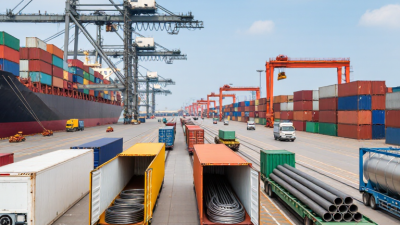
Global buyers often begin with dry containers because they handle most general cargo. A standard 20-foot unit suits dense goods, machinery, and smaller shipments. A 40-foot container offers more floor space for cartons, furniture, and retail inventory. High-cube models provide extra height for bulky cargo. These containers serve ports, warehouses, construction sites, and temporary storage areas worldwide. On a busy port route, dimensions, corner castings, and door seals matter more than appearance. A clean floor can still hide corrosion underneath. Buyers should request inspection photos, internal measurements, and recent condition reports before arranging transport.

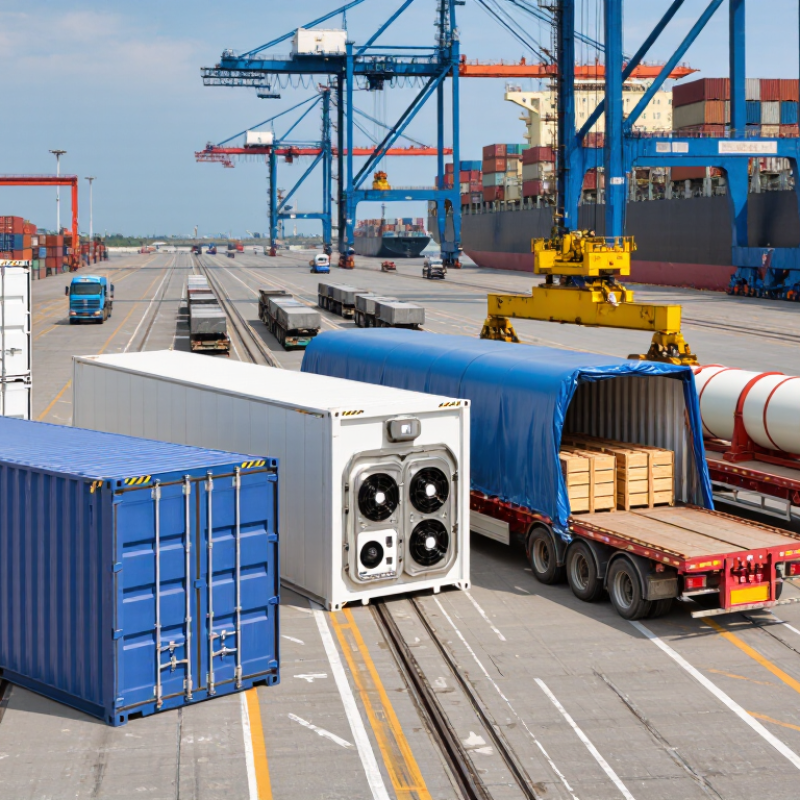
Refrigerated containers protect temperature-sensitive food, medicine, and laboratory materials. They require stable power, correct temperature settings, and regular maintenance checks. Open-top containers help load tall or heavy cargo with cranes. Flat racks suit oversized machinery, pipes, and industrial equipment. Tank containers carry approved liquids under strict handling and transport rules. Each type has a different loading method and risk profile. Local customs procedures, safety certificates, and destination infrastructure should guide the final choice. A container may work well at sea but become difficult to unload inland.

Tips: Compare usable space, not only external length. Check flooring, seals, vents, and locking bars in person when possible. Ask about repair history. The cheapest option is not always economical after delays or damage. I would recheck the cargo dimensions twice; small measuring mistakes can create expensive problems.

How Container Sizes and Specifications Affect Buying Decisions

What Are the Top Shipping Containers for Global Buyers?

Choosing a shipping container starts with cargo measurements, not appearance. A standard 20-foot container suits dense, heavy goods with limited volume. A 40-foot container offers nearly twice the floor length. A 40-foot high-cube model adds valuable vertical space for bulky cartons or machinery. That extra height can reduce stacking pressure, but it may affect inland clearance.

Specifications influence both cost and safety. Buyers should check internal dimensions, door opening, maximum payload, tare weight, and floor condition. External measurements alone can mislead. A container may look spacious while insulation, refrigeration equipment, or interior lining reduces usable capacity. For temperature-sensitive cargo, a refrigerated unit needs verified temperature control and a dependable power connection. Open-top and flat-rack designs help with oversized cargo, although loading methods become more complicated.

I have seen buyers select the largest available unit and later pay for unused space. Bigger is not always better. Cargo weight distribution matters too. Place heavier items low and near the center, then secure them against movement. Check the manufacturing plate, inspection records, and transport certification before purchase. Requirements can vary by route and destination, so local clearance advice remains valuable. I once underestimated door height on a machinery shipment. The container was suitable on paper, but loading still required costly adjustment. Small specification errors become expensive quickly.

Comparing Materials, Conditions, and Expected Service Life

Global buyers often compare price first, but material and condition shape the real investment. Most standard containers use weather-resistant steel with reinforced corner posts. This structure handles repeated lifting and ocean transport. Aluminum units resist corrosion better, but they can cost more and dent easily. The choice depends on cargo weight, climate, and handling frequency.

Condition strongly affects expected service life. Newer units usually have cleaner floors, tighter doors, and fewer repairs. Used cargo-worthy units can still perform well when inspected carefully. Check the roof for pinholes, the floor for soft patches, and the doors for even seals. Rust tells a story. Surface rust may be manageable, while deep corrosion around the frame demands caution. A fresh paint layer can hide problems, so inspect edges, welds, and the underside.

A well-maintained steel container may serve for 10 to 25 years, depending on weather, ventilation, loading practices, and repair quality. Coastal air can shorten that period. Standing water can shorten it faster. Wooden floors also need attention, especially after years of moisture exposure. Service-life estimates are not guarantees. A cheaper unit may become expensive after one serious repair. Buyers should request inspection photos, repair records, dimensions, and door measurements before payment. I have found that small details, such as bent locking bars or worn gasket channels, often create the biggest delays. That estimate can mislead. Conditions change.

Key Standards, Certifications, and International Shipping Rules

What Are the Top Shipping Containers for Global Buyers?

Global buyers should judge containers by compliance, not appearance alone. The UNCTAD Review of Maritime Transport reports that sea transport carries around 80% of global trade by volume. That scale makes consistent container standards essential. ISO 668 defines common external dimensions, while ISO 1496 covers strength, testing, and performance requirements. A 20-foot dry container is widely used for dense cargo. A 40-foot high-cube unit offers extra internal height.

Certification comes next. Every ocean-going container should carry a valid CSC Safety Approval Plate. The plate confirms inspection status, maximum gross mass, stacking limits, and racking values. Buyers should photograph it before loading. Check the doors, corner castings, floor, roof, and welds. Rust is normal. Structural distortion is not. A clean interior can still hide weak flooring. That matters.

International shipping rules also affect purchasing decisions. Under SOLAS Verified Gross Mass requirements, the shipper must provide the container’s verified gross mass before loading. Weighing records should match the packing list and seal number. Customs authorities may also require accurate commodity descriptions, origin details, and compliant security seals under local procedures. The World Customs Organization’s SAFE Framework supports secure, documented supply chains. Rules differ by route. I would not treat one port’s practice as universal. Paperwork is sometimes imperfect, so buyers should confirm requirements with the carrier, terminal, and customs broker before dispatch.

How to Select a Reliable Supplier and Estimate Total Costs

For most global buyers, the practical shortlist includes 20-foot dry containers, 40-foot high-cube units, refrigerated containers, and open-top models. Dry containers usually offer the simplest maintenance. High-cube units provide extra internal height for bulky cargo. According to UNCTAD’s Review of Maritime Transport 2024, global seaborne trade grew 2.4% in 2023. Demand can therefore affect equipment availability and inland delivery prices.

Supplier reliability needs evidence, not attractive photographs. Request the container’s identification number, CSC safety plate, manufacturing year, inspection record, and recent interior images. Confirm ISO 668 dimensions and check door seals, floor damage, roof corrosion, and hidden repairs. Ask for a written condition grade. A third-party inspection near the depot may cost less than one failed delivery. Container xChange’s 2024 market analysis also highlights significant regional differences in container prices and availability, so compare at least three nearby suppliers.

Build the total-cost estimate line by line. A used 40-foot high-cube may cost 1,500–3,500 dollars, depending on location and condition. Add inspection, inland haulage, port handling, ocean freight, insurance, taxes, storage, and possible repair costs. Drewry’s World Container Index has shown how sharply ocean rates can change during disruption periods. Leave a 10–15% contingency. That may still be imperfect. I would also confirm the delivery term in writing, because “delivered” can exclude local unloading, customs charges, or demurrage. Cheap equipment is not cheap when its doors leak during a rainy transfer.

What Are the Top Shipping Containers for Global Buyers? - How to Select a Reliable Supplier and Estimate Total Costs

The figures below are practical planning ranges in U.S. dollars. Dimensions follow common ISO container specifications, while prices and transport costs vary by country, port, condition, season, certification, and trade route.

Container Type Typical External Dimensions
(L × W × H)
Typical Internal Dimensions
(L × W × H)
Typical Tare Weight Typical Payload
(Maximum Cargo Weight)
Best-Suited Applications Indicative Purchase Price
(Used / New)
Supplier and Inspection Priorities
20-Foot Standard Dry 6.058 × 2.438 × 2.591 m 5.898 × 2.352 × 2.393 m 2,200–2,400 kg Up to approximately 28,000 kg* General cargo, machinery, building materials, dense or heavy goods, and smaller shipments.
Most economical for heavy cargo
USD 1,500–4,000
/ USD 3,000–6,000
Check floor condition, door seals, corner posts, roof leaks, corrosion, valid CSC plate, and an inspection report with dated photographs.
40-Foot Standard Dry 12.192 × 2.438 × 2.591 m 12.032 × 2.352 × 2.393 m 3,700–4,000 kg Up to approximately 26,500 kg* High-volume general cargo, cartons, pallets, furniture, and retail shipments.
Efficient for volume
USD 2,000–5,000
/ USD 4,000–7,500
Confirm usable internal length, pallet compatibility, door opening, flooring treatment, cargo-worthy status, and whether the unit is sold as-is or inspected.
40-Foot High Cube Dry 12.192 × 2.438 × 2.896 m 12.032 × 2.352 × 2.698 m 3,900–4,300 kg Up to approximately 26,000 kg* Bulky, lightweight cargo, furniture, textiles, packaged goods, and goods requiring additional vertical clearance.
Popular global export format
USD 2,300–5,500
/ USD 4,500–8,000
Verify the extra height, internal cubic capacity, wind-and-water tightness, door gasket condition, floor load rating, and maximum gross weight on the data plate.
45-Foot High Cube 13.716 × 2.438 × 2.896 m 13.556 × 2.352 × 2.698 m 4,800–5,300 kg Approximately 27,000–29,000 kg* Large-volume retail cargo, lightweight manufactured goods, and shipments that benefit from extra length.
High cubic capacity
USD 4,000–8,000
/ USD 7,000–12,000
Confirm route acceptance, terminal handling availability, chassis compatibility, door-to-door clearance, and the unit’s certification for the intended service.
20-Foot Refrigerated Approximately 6.058 × 2.438 × 2.591 m Approximately 5.450 × 2.290 × 2.260 m Approximately 2,800–3,200 kg Approximately 27,000 kg* Temperature-sensitive food, pharmaceuticals, chemicals, and other controlled-temperature cargo.
Requires power supply
USD 8,000–18,000
/ USD 20,000–35,000
Test the refrigeration unit, temperature range, insulation, drain system, power requirements, alarms, service history, and calibration records.
40-Foot High Cube Refrigerated Approximately 12.192 × 2.438 × 2.896 m Approximately 11.580 × 2.290 × 2.540 m Approximately 4,500–5,000 kg Approximately 25,500–27,000 kg* Large-volume chilled or frozen shipments requiring stable temperature control during ocean transport.
Best for temperature-controlled volume
USD 12,000–25,000
/ USD 25,000–45,000
Request a live cooling test, pre-trip inspection record, compressor condition, energy consumption data, set-point verification, and confirmation of power availability at every handoff.
20-Foot Open Top 6.058 × 2.438 × 2.591 m Approximately 5.900 × 2.350 × 2.350 m Approximately 2,300–2,600 kg Approximately 27,500–28,000 kg* Over-height machinery, scrap, timber, stone, and cargo loaded by crane from above.
Top loading
USD 3,000–7,000
/ USD 6,000–12,000
Inspect removable roof bows, tarpaulin, lashing points, door operation, floor strength, and the approved cargo height and weight limits.
20-Foot Flat Rack Approximately 6.058 × 2.438 × 2.591 m Platform length approximately 5.600 m Approximately 2,500–3,000 kg Approximately 21,000–28,000 kg* Oversized machinery, vehicles, pipes, steel structures, and cargo that exceeds standard container dimensions.
Project cargo
USD 3,500–8,000
/ USD 8,000–15,000
Confirm lashing capacity, end-wall condition, platform strength, permitted over-width or over-height dimensions, and special handling charges at both ports.

*The legal payload is determined by the container’s maximum gross weight minus its actual tare weight and may be lower because of road limits, vessel restrictions, cargo distribution, or local regulations. New-unit prices generally refer to factory-built equipment; used-unit prices depend heavily on age, condition, certification, and location.

Typical Total-Cost Components for a Global Container Purchase
Cost Component Planning Range or Calculation Method What Buyers Should Confirm
Container purchase price Use the applicable range above; prices are normally quoted per unit. Condition grade, manufacturing year, inspection status, CSC validity, included repairs, and whether tax is included.
Export documentation and origin handling Approximately USD 100–600 per shipment, depending on location and paperwork. Sales invoice, packing list, export documents, inspection documents, and any certificate required by the destination country.
Ocean freight Highly route-dependent; obtain a current port-to-port quote rather than relying on a fixed percentage. Freight validity period, currency, peak-season surcharges, fuel-related charges, equipment availability, and destination fees.
Inland transport Often approximately USD 300–2,000 or more, depending on distance, road restrictions, chassis availability, and loading requirements. Pickup location, delivery address, waiting time, crane or side-loader service, permits, and empty-return obligations.
Destination port and customs charges Commonly USD 300–2,500 or more, excluding import duty and sales tax. Terminal handling, port storage, customs clearance, inspection fees, demurrage, detention, and local delivery requirements.
Import duty and taxes Calculated according to the destination country’s tariff classification, customs value, and tax rules. Correct HS classification, customs valuation, duty rate, exemptions, importer registration, and tax payment timing.
Estimated landed cost Purchase price + origin costs + ocean freight + destination costs + inland delivery + duty and taxes. Request an itemized pro forma invoice and compare the final delivered cost, not only the advertised unit price.

Plug & Play Installation

Our installation services are top-notch, delivering modular systems for any application on time in plug & play condition. We leave nothing for you to figure out, set up, or fix. All you’ve to do is just step in, and get going with your business.

Dismantling & Reassembling

We hold a long-term view when we build modular rooms taking into consideration your changing needs. Whether it’s shifting your workspace to a new site, redesigning your unit to fit new requirements, or simply clearing the area at the end of the project, our Dismantling & Reassembling teams are pressed into service to get the job done in the quickest possible time and minimum resource wastage.

Interior Designing

Our interior designs combine both functional and aesthetic aspects to provide you with physical and emotional comfort. We ask you for your preferences and give the best possible solutions aligned to your tastes. Our units are built to be modern, stylish, and elegant.

Bespoke Solutions

We understand that every project is unique and therefore has a different set of requirements. That’s why we believe in customizing our solutions to fit individual needs. We are equipped with the right talents, technology, and skillset to offer bespoke modular units, without compromising on turnaround time or quality.

Aftersales Service

The benefits of choosing Containers ME continues long after the installation of the units as we provide aftersales service for as long as you need. All you have to do is sign the Annual Maintenance Contract (AMC) and enjoy technical support for all the maintenance-related issues. By signing the contract, you can rest assured that a highly professional team of dedicated staff are at your service all year round to attend to your needs.

Customized Container Solutions

We specialize in Customized Container Solutions designed to meet diverse needs across the UAE. Our offerings include customized modular containers that cater to various applications, from tailor-made container solutions to bespoke container designs.

Whether you’re looking for personalized container homes or custom modular containers, we have you covered. Our customized container offices provide functional workspaces, while our customized portable containers ensure flexibility on-site. Explore our range of custom container storage units and customized cargo containers to optimize your space.

We also offer custom container leasing and custom container fabrication services, along with customized sea containers designed for secure transport. For specialized needs, our specialized container modifications will help you create the perfect solution for your requirements in both Dubai and the broader UAE.

Get a quote

Get a quote