Blogs

Top 10 Tips for Choosing the Right Transport Containers for Your Needs

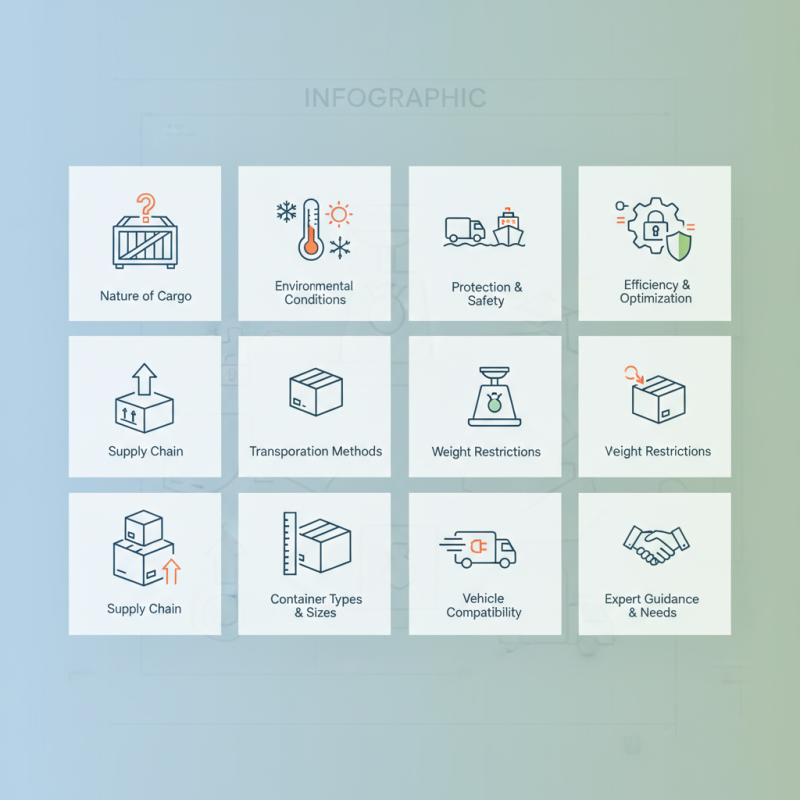
When it comes to selecting the right transport containers for your logistical needs, the decision can significantly impact the efficiency and safety of your operations. According to industry expert Dr. Emily Harper, a leading specialist in cargo logistics, "Choosing the appropriate transport containers is essential not only for protecting your goods but also for optimizing your overall supply chain." The vast array of container types and sizes can be overwhelming, making it crucial to consider various aspects such as the nature of the cargo, environmental conditions, and transportation methods.

Transport containers are not merely a means of ferrying goods; they are a fundamental component of modern logistics that can enhance or hinder business capabilities. As supply chains become increasingly complex, understanding the features and specifications of different transport containers is paramount. From temperature-controlled units for perishables to durable containers for heavy machinery, each type serves a unique purpose. Additionally, considering factors like weight restrictions and compatibility with transport vehicles can lead to more informed choices that align with specific shipping requirements. By following expert guidance and tips, businesses can ensure they select the right transport containers to meet their unique needs efficiently and safely.
Top 10 Tips for Choosing the Right Transport Containers for Your Needs

Understanding Different Types of Transport Containers Available in the Market

When selecting the right transport containers, it's essential to understand the various types available in the market. Containers can be broadly classified into several categories: standard dry containers, refrigerated containers, and specialized containers for hazardous materials. According to the International Maritime Organization (IMO), nearly 90% of global goods are transported by sea, which underscores the importance of selecting suitable containers to ensure the integrity of products during transit.

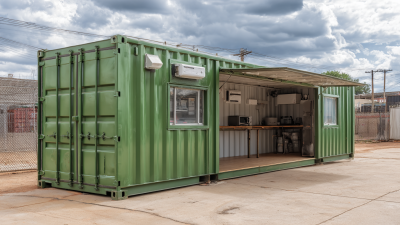
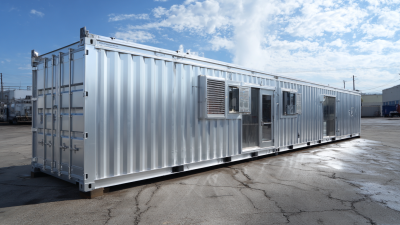
Standard dry containers, typically available in 20-foot and 40-foot dimensions, are ideal for a wide range of goods, from textiles to electronics. They are designed for durability and can be used for land, sea, or air transport. On the other hand, refrigerated containers, or reefers, are essential for transporting perishable items. Data from the Global Cold Chain Alliance (GCCA) reveals that the global demand for refrigerated transport has increased significantly, with an estimated growth of 4.5% annually due to the rising need for fresh produce and pharmaceuticals.

Another category worth considering is specialized containers that cater to specific needs, such as liquid tanks for chemicals or flat racks for oversized cargo. The choice of transport container should be aligned with the product's requirements and supply chain logistics, as containers designed for specific purposes can significantly reduce risks associated with damage and spoilage. Industry reports indicate that improper container selection can lead to a 3-5% increase in overall logistics costs, highlighting the critical nature of informed decision-making in this area.
Top 10 Transport Container Types

Evaluating the Size and Capacity Requirements for Your Cargo

Top 10 Tips for Choosing the Right Transport Containers for Your Needs

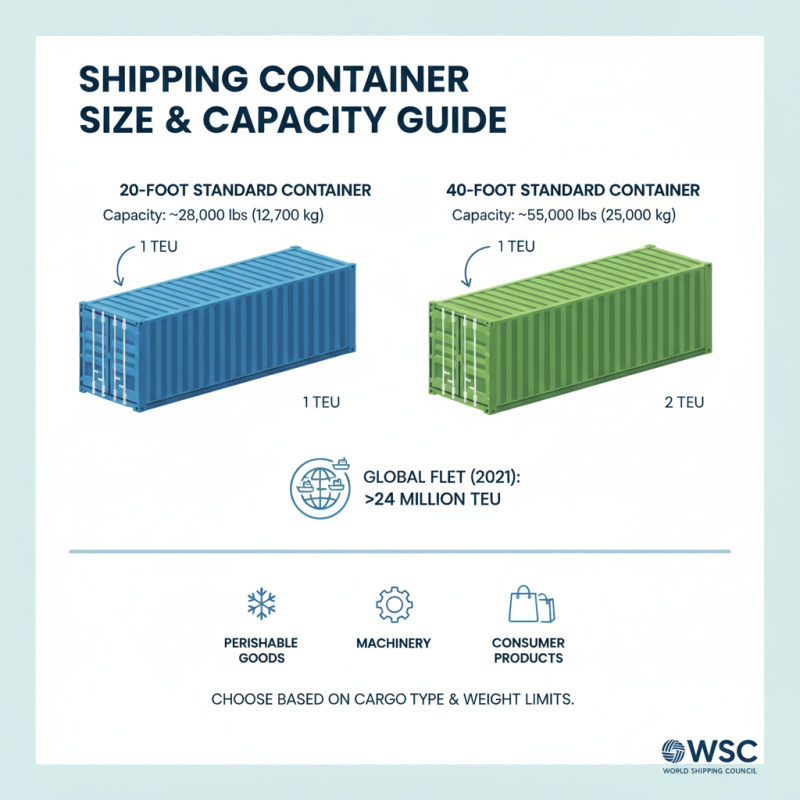
When selecting the right transport containers for your cargo, evaluating size and capacity is crucial. According to the World Shipping Council, the global container fleet reached over 24 million container TEUs (twenty-foot equivalent units) in 2021, highlighting the vast array of options available. Depending on the nature of your cargo—whether it's perishable goods, machinery, or consumer products—the size and configuration of the container must align with your specific shipping requirements. For instance, a standard 20-foot container can hold about 28,000 pounds of goods, while a 40-foot container can accommodate up to 55,000 pounds. Understanding these capacities ensures that you choose a container that not only fits your cargo but also adheres to weight restrictions set by shipping companies.

Additionally, it's essential to consider the dimensions and internal space of the container when evaluating your needs. Research by the International Maritime Organization indicates that cargo volume can directly influence shipping costs. For oversized or irregularly shaped items, opting for container types such as high-cube containers or flat racks can provide the additional space needed to safely transport your goods. As the demand for efficient and safe logistics grows, properly assessing size and capacity can prevent delays and optimize your shipping strategies, ultimately leading to a seamless transit experience.

Assessing Material Durability and Weather Resistance for Transport Containers

When selecting transport containers, material durability and weather resistance are critical factors that can significantly impact the safety and integrity of the transported goods. According to a recent industry report by the Transport Container Association, nearly 30% of all cargo damage is attributed to the failure of container materials to withstand harsh environmental conditions. This highlights the importance of choosing robust materials such as high-density polyethylene (HDPE) or reinforced steel, which offer superior strength and resistance to UV radiation, moisture, and extreme temperatures.

Additionally, weather resistance is particularly vital for sectors such as agriculture and pharmaceuticals, where temperature fluctuations and moisture exposure can compromise product quality. The International Container Standards Bureau reports that containers made from materials with high corrosion resistance can reduce degradation rates by up to 50% in harsh weather environments. Implementing features like waterproof seals and ventilation systems can further enhance a container’s ability to protect its contents from water and humidity. In summary, investing in quality materials and understanding their weathering characteristics is essential for ensuring that transport containers meet the specific needs of various industries and maintain the integrity of the cargo throughout its journey.

Top 10 Tips for Choosing the Right Transport Containers for Your Needs

Tip No. Material Durability Rating Weather Resistance Best Use Cases
1 Steel High Excellent Heavy machinery, tools
2 Aluminum Medium Good Lightweight equipment
3 Plastic Medium Fair Food storage, chemicals
4 Wood Low Poor Storage of dry goods
5 Fiberboard Low Fair Lightweight items, packaging
6 Composite High Excellent High-value electronics
7 Carbon Steel Very High Good Heavy industrial goods
8 Stainless Steel Very High Excellent Food processing, pharmaceuticals
9 Insulated High Excellent Temperature-sensitive items
10 Recyclable Materials Medium Good Sustainable transport solutions

Examining Cost Factors and Budget Constraints in Container Selection

When selecting transport containers, understanding the cost factors and budget constraints is crucial. The initial purchase price is often just the tip of the iceberg; buyers must also consider additional expenses such as shipping, handling, and maintenance. For instance, opting for a higher-quality container may involve a more substantial upfront cost, but it can lead to savings in the long run due to increased durability and fewer repairs. Therefore, evaluating the total cost of ownership rather than just focusing on the purchase price can significantly inform the decision-making process.

Another important cost factor to consider is the potential for customization. While standard containers may meet basic needs, specific operations may require tailored solutions that can drive up expenses. It is essential to assess whether the added functionality justifies the increased investment. Additionally, businesses should explore leasing options, which can provide flexibility and allow for budget management without the significant capital outlay associated with purchasing. Balancing quality, functionality, and price ensures that the selected transport container aligns with both operational requirements and financial constraints, ultimately leading to more strategic investment in logistics solutions.

Considering Regulatory Compliance and Safety Standards for Transport Containers

When selecting transport containers, regulatory compliance and safety standards should be top priorities. Understanding the specific regulations that pertain to your cargo is vital. Different types of goods have distinct compliance requirements set by local and international regulations, such as hazardous materials codes or food safety standards. Ensuring that the containers you choose meet these compliance requirements helps in avoiding hefty fines and disruptions during transportation.

In addition to compliance, safety standards are crucial for both the content being transported and the personnel handling it. This includes choosing containers made from robust materials that can withstand various environmental conditions. Further, look for features such as secured locking mechanisms and proper ventilation systems, especially for sensitive or perishable goods. By prioritizing safety standards alongside regulatory compliance, you not only protect your cargo but also ensure the well-being of everyone involved in the transport process.

Plug & Play Installation

Our installation services are top-notch, delivering modular systems for any application on time in plug & play condition. We leave nothing for you to figure out, set up, or fix. All you’ve to do is just step in, and get going with your business.

Dismantling & Reassembling

We hold a long-term view when we build modular rooms taking into consideration your changing needs. Whether it’s shifting your workspace to a new site, redesigning your unit to fit new requirements, or simply clearing the area at the end of the project, our Dismantling & Reassembling teams are pressed into service to get the job done in the quickest possible time and minimum resource wastage.

Interior Designing

Our interior designs combine both functional and aesthetic aspects to provide you with physical and emotional comfort. We ask you for your preferences and give the best possible solutions aligned to your tastes. Our units are built to be modern, stylish, and elegant.

Bespoke Solutions

We understand that every project is unique and therefore has a different set of requirements. That’s why we believe in customizing our solutions to fit individual needs. We are equipped with the right talents, technology, and skillset to offer bespoke modular units, without compromising on turnaround time or quality.

Aftersales Service

The benefits of choosing Containers ME continues long after the installation of the units as we provide aftersales service for as long as you need. All you have to do is sign the Annual Maintenance Contract (AMC) and enjoy technical support for all the maintenance-related issues. By signing the contract, you can rest assured that a highly professional team of dedicated staff are at your service all year round to attend to your needs.

Customized Container Solutions

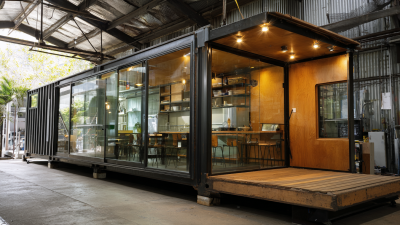
We specialize in Customized Container Solutions designed to meet diverse needs across the UAE. Our offerings include customized modular containers that cater to various applications, from tailor-made container solutions to bespoke container designs.

Whether you’re looking for personalized container homes or custom modular containers, we have you covered. Our customized container offices provide functional workspaces, while our customized portable containers ensure flexibility on-site. Explore our range of custom container storage units and customized cargo containers to optimize your space.

We also offer custom container leasing and custom container fabrication services, along with customized sea containers designed for secure transport. For specialized needs, our specialized container modifications will help you create the perfect solution for your requirements in both Dubai and the broader UAE.

Get a quote

Get a quote