Blogs

Top Trends in Container Fabrication for Modern Construction Projects?

In modern construction, "container fabrication" has emerged as a game changer. Experts like David Lin, a leader in sustainable building techniques, emphasize its potential. He once said, "Container fabrication reshapes our approach to building, making projects faster and more sustainable." This trend is not just about efficiency; it’s about thinking differently.

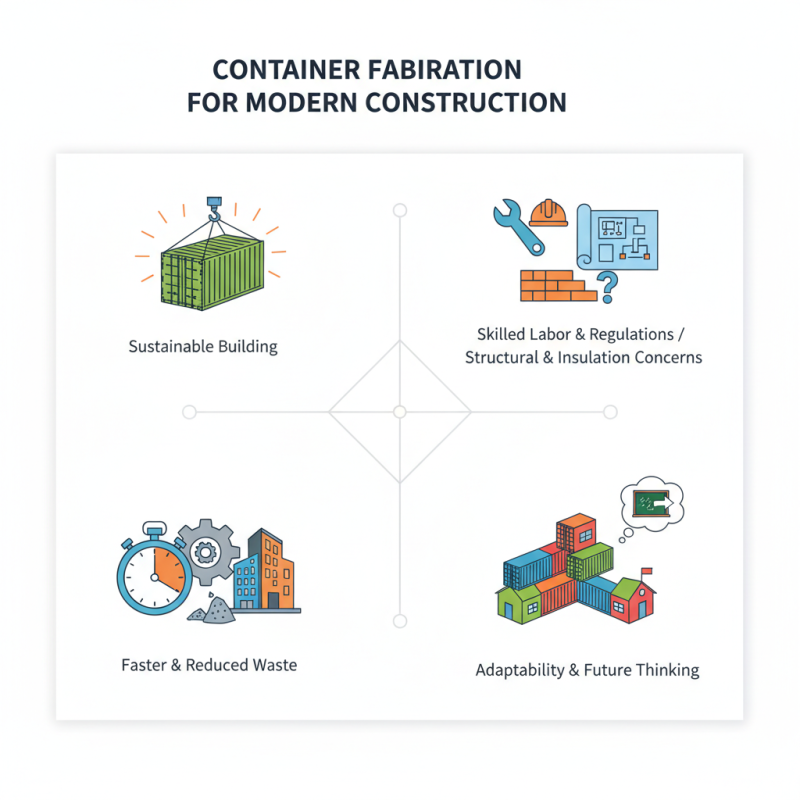
As construction demands evolve, container fabrication addresses various challenges. It offers cost-effective solutions with reduced waste. Yet, the industry faces hurdles. Finding skilled labor and adapting to local regulations can be daunting. The unique design possibilities are exciting, but there are also concerns over structural integrity and insulation.

The adaptability of shipping containers is remarkable. They can be transformed into homes, offices, or even schools. However, the path to integrating container fabrication in mainstream projects is not straightforward. These innovations prompt us to reflect on our current methods. Are we ready to embrace this shift in construction? The future lies in our willingness to rethink traditional practices.
Top Trends in Container Fabrication for Modern Construction Projects?

Emergence of Container Fabrication in Modern Construction Methods

Top Trends in Container Fabrication for Modern Construction Projects?

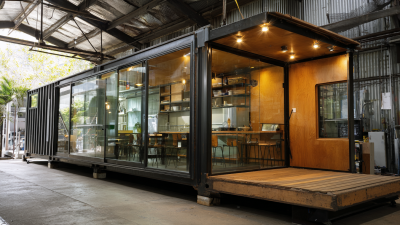
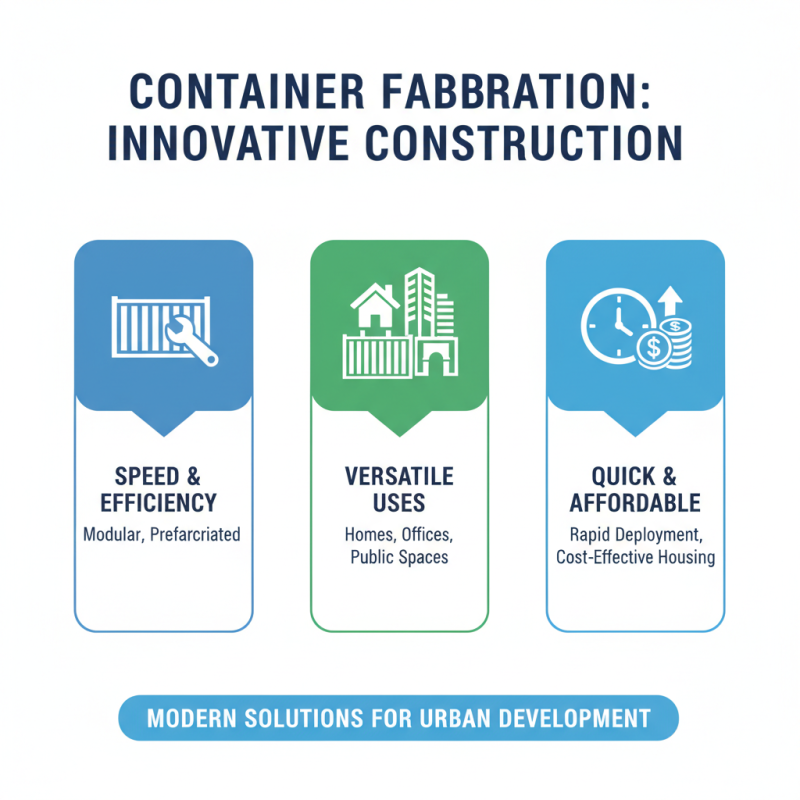
The rise of container fabrication offers innovative solutions for modern construction projects. Architects and builders are exploring this method for its speed and efficiency. Shipping containers are versatile, and they can be transformed into homes, offices, and public spaces. This arises from a need for quick builds and affordable housing solutions.

However, container fabrication is not without challenges. Structural integrity is a concern that many projects face. Also, the aesthetic aspect needs careful consideration. Not everyone finds the raw look of containers appealing. While these structures can be modified, some may struggle with the limited customization options. Local building codes can also complicate the process.

Despite these issues, the potential of container fabrication is noteworthy. Eco-friendliness is a key benefit. Using repurposed materials reduces waste and the demand for new resources. As this construction method evolves, it's crucial to address its imperfections. Growth in this area will require collaboration among designers, builders, and city planners. Awareness of both its advantages and limitations will shape its future.
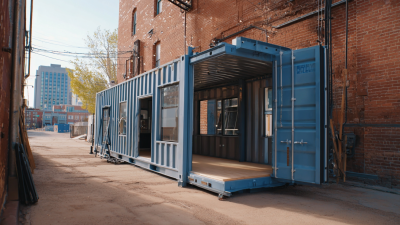
Key Advantages of Using Container Fabrication in Building Projects

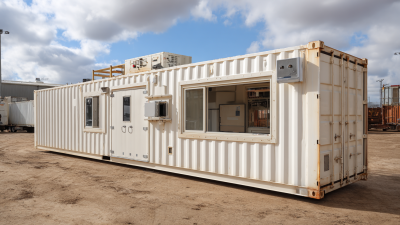
Container fabrication has emerged as a game-changer in modern construction projects. The use of repurposed shipping containers offers numerous advantages. These structures are strong, durable, and weather-resistant, making them ideal for various building applications. Their modular nature allows for flexibility in design, which leads to innovative architectural solutions.

One of the key benefits is cost-effectiveness. Building with containers can reduce material and labor expenses significantly. They can often be assembled more rapidly than traditional methods. However, there are challenges. Seamless insulation is often overlooked, leading to potential energy inefficiencies. Designers must carefully plan for climate effects, which is not always easy.

Sustainability is another compelling advantage. Using containers supports recycling efforts, reducing landfill waste significantly. There’s a growing appreciation for eco-friendly practices within the construction industry. Yet, many architects face hurdles when integrating these units into larger designs. Balancing aesthetics with functionality may require extra thought and creativity. The results can be groundbreaking, but sometimes they miss the mark.

Innovative Design Trends in Container-Based Architecture

Container-based architecture is transforming modern construction. This innovative approach emphasizes sustainability and efficiency. Designers utilize shipping containers to create unique spaces that challenge traditional building techniques. Each container offers both durability and versatility. They can be repurposed for homes, offices, or even community centers.

One significant trend in container fabrication is modular design. By stacking and combining containers, architects create dynamic layouts. These structures often have open floor plans. Large windows enhance natural light, making interiors feel more spacious. However, this design choice can sometimes lead to heating and cooling challenges. Proper insulation remains a key consideration.

Another trend is the integration of green spaces. Rooftop gardens and vertical planters are becoming common. These elements not only beautify but also improve air quality. Yet, maintenance remains a concern for developers and owners alike. Balancing aesthetics with practical demands can be tricky. Container architecture continues to evolve, reflecting a growing demand for creative and sustainable builds.

Sustainability Practices in Container Fabrication for Construction

Sustainability is a key focus in modern container fabrication for construction projects. With growing concerns about the environment, many builders are adopting eco-friendly practices. Using recycled materials for containers reduces waste. This is a step forward, but challenges remain in sourcing and processing.

Energy efficiency is another critical aspect. Solar panels can be installed on container roofs. They provide renewable energy for the buildings. However, the initial costs can be high. Many projects struggle to balance sustainability with budget constraints. It’s crucial to evaluate the long-term savings against the upfront investment.

Innovative designs often emerge from using containers. Mixing them with natural elements creates unique aesthetics. Green roofs or vertical gardens are gaining popularity. Yet, they require maintenance and planning. Not all projects incorporate these features successfully. Effective communication among stakeholders is necessary for better sustainability outcomes. As the industry evolves, reflection on these practices is essential.

Top Trends in Container Fabrication for Modern Construction Projects

Trend Description Sustainability Practice Impact
Modular Design Utilizing pre-fabricated modules for faster on-site assembly. Minimizes waste and reduces construction time. Increased efficiency and reduced carbon footprint.
Recycled Materials Incorporation of recycled steel and other materials in fabrication. Promotes circular economy principles. Lower resource extraction and environmental impact.
Energy Efficiency Enhanced thermal performance through insulation and solar panels. Reduces energy consumption during operation. Long-term cost savings and reduced emissions.
Green Certifications Pursuing certifications like LEED for sustainable practices. Encourages adherence to environmental standards. Improved marketability and client trust.
Water Conservation Implementing water-saving technologies in construction processes. Targets reduction in water usage. Significant savings on resource usage and costs.

Regulatory Considerations for Container Fabrication in Urban Areas

Urban areas are rapidly adopting container fabrication in construction projects. This trend offers efficiency but brings regulatory challenges. According to the Building Research Establishment, urban container developments have increased by over 35% in the last five years. However, navigating local zoning laws can be complex.

Many cities have specific regulations for container use. They focus on safety, aesthetics, and environmental impact. Some urban planners express concerns about the visual integration with existing structures. Approximately 60% of municipalities have issued guidelines addressing these issues. Keeping the container projects sustainable while meeting regulations is crucial.

Moreover, container construction can affect infrastructure. Issues like traffic flow and utility connections need careful planning. Some projects faced delays due to regulatory compliance. This highlights the need for collaboration between developers and city officials. The balance between innovation and regulations remains a challenge in many urban areas.

Plug & Play Installation

Our installation services are top-notch, delivering modular systems for any application on time in plug & play condition. We leave nothing for you to figure out, set up, or fix. All you’ve to do is just step in, and get going with your business.

Dismantling & Reassembling

We hold a long-term view when we build modular rooms taking into consideration your changing needs. Whether it’s shifting your workspace to a new site, redesigning your unit to fit new requirements, or simply clearing the area at the end of the project, our Dismantling & Reassembling teams are pressed into service to get the job done in the quickest possible time and minimum resource wastage.

Interior Designing

Our interior designs combine both functional and aesthetic aspects to provide you with physical and emotional comfort. We ask you for your preferences and give the best possible solutions aligned to your tastes. Our units are built to be modern, stylish, and elegant.

Bespoke Solutions

We understand that every project is unique and therefore has a different set of requirements. That’s why we believe in customizing our solutions to fit individual needs. We are equipped with the right talents, technology, and skillset to offer bespoke modular units, without compromising on turnaround time or quality.

Aftersales Service

The benefits of choosing Containers ME continues long after the installation of the units as we provide aftersales service for as long as you need. All you have to do is sign the Annual Maintenance Contract (AMC) and enjoy technical support for all the maintenance-related issues. By signing the contract, you can rest assured that a highly professional team of dedicated staff are at your service all year round to attend to your needs.

Customized Container Solutions

We specialize in Customized Container Solutions designed to meet diverse needs across the UAE. Our offerings include customized modular containers that cater to various applications, from tailor-made container solutions to bespoke container designs.

Whether you’re looking for personalized container homes or custom modular containers, we have you covered. Our customized container offices provide functional workspaces, while our customized portable containers ensure flexibility on-site. Explore our range of custom container storage units and customized cargo containers to optimize your space.

We also offer custom container leasing and custom container fabrication services, along with customized sea containers designed for secure transport. For specialized needs, our specialized container modifications will help you create the perfect solution for your requirements in both Dubai and the broader UAE.

Get a quote

Get a quote