
Blogs

What Are the Top Van Truck Types for Global Buyers?

For global buyers, choosing the right Van Truck starts with the cargo, not the badge. A city bakery may need a compact panel van with easy parking and washable flooring. A regional distributor may require a larger box van, higher payload, and safer loading access. Refrigerated vans serve fresh food and medicine, while curtain-side or insulated bodies suit different delivery routines. Each design solves a different problem.

Real purchasing decisions depend on more than body style. Buyers should compare payload after body conversion, internal volume, axle limits, fuel or energy use, turning radius, and service support. A truck that looks spacious may lose useful capacity after insulation, shelving, or cooling equipment. Check the numbers carefully. Test the loading height. Measure the dock.

Operating conditions also shape the best choice. Narrow European streets, hot coastal routes, rough rural roads, and long highway journeys can demand different tires, cooling systems, suspension settings, and cabin layouts. A local dealer’s parts stock may matter as much as the purchase price. Manufacturer documentation, warranty terms, safety testing, and maintenance records help establish a dependable decision.

There is no universal winner. Some comparisons remain imperfect because prices, road standards, and operating costs change by market. I may favor a refrigerated Van Truck for temperature-sensitive delivery, but that choice fails when the buyer lacks trained technicians. Careful trial routes, realistic load data, and feedback from drivers reveal details a brochure cannot show. The strongest global purchase is practical, supportable, and proven in daily work.
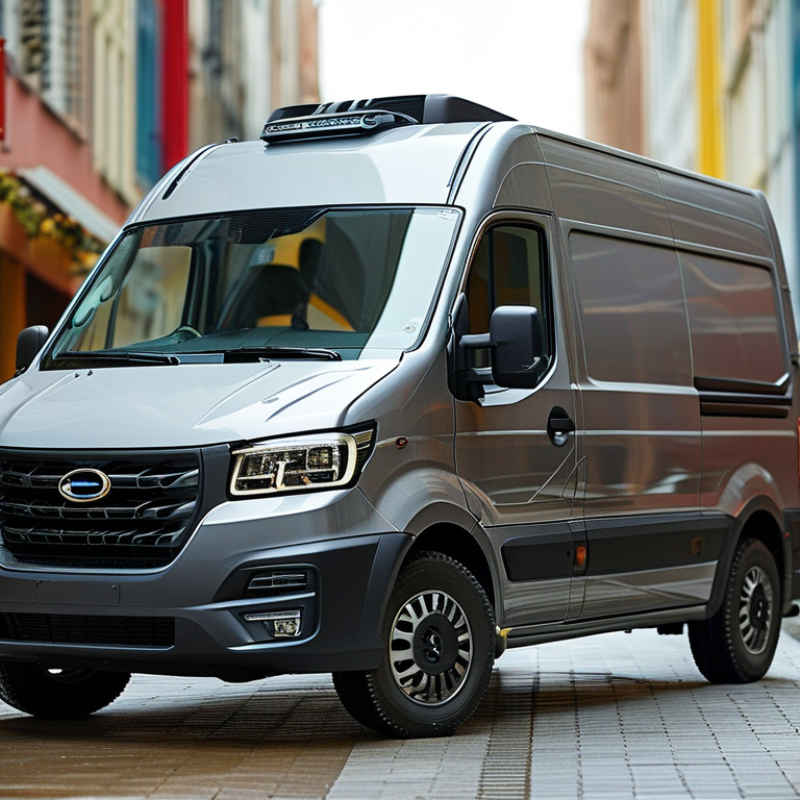
What Are the Top Van Truck Types for Global Buyers?

Van Truck Basics: Definition, Structure, and Main Uses

What Are the Top Van Truck Types for Global Buyers?

A van truck combines a road vehicle with an enclosed cargo body. Its protected space keeps goods away from rain, dust, and direct sunlight. Common types include panel vans, refrigerated vans, box vans, and service vans. Each type supports a different operating need.

Panel vans suit parcel delivery and urban distribution. Refrigerated vans carry temperature-sensitive food or medical supplies. Box vans offer more interior volume for general cargo.

The basic structure includes a cab, chassis, engine, axles, suspension, cargo floor, side panels, roof, and rear doors. Some models add side access doors for faster loading.

A strong floor matters when cargo is dense or moved frequently.

Buyers should check payload, interior height, turning radius, fuel use, and maintenance access.

These details often affect daily costs more than the purchase price.

Van trucks serve supermarkets, workshops, moving services, construction suppliers, and last-mile delivery teams. In narrow city streets, a compact body can save time. On rough routes, durable suspension and suitable ground clearance become more important.

A larger body is not always better. It may waste fuel and reduce maneuverability. That assumption deserves review.

Climate also changes the choice; insulation helps in hot regions, while ventilation may matter for fresh produce. Supplier support and available replacement parts should be verified locally.


Key Van Truck Types by Body Design and Cargo Function

Global buyers usually compare van trucks by body design before checking engine output. Panel vans provide enclosed, secure space for parcels, tools, and packaged goods. Box vans add a taller cargo cube, making them suitable for pallets and urban distribution. Their square walls improve loading, but they can reduce maneuverability in narrow streets.

Curtain-side vans offer flexible loading from both sides. They suit construction materials, retail replenishment, and mixed freight. Dropside bodies work better for bulky items that need quick crane or forklift access. Refrigerated vans serve food, medicine, and other temperature-sensitive cargo. They require insulation, temperature monitoring, and reliable cooling capacity. The Global Cold Chain Alliance reports continued growth in temperature-controlled logistics, driven by food and pharmaceutical distribution. Conditions vary widely.

Chassis-cab vans allow buyers to install specialized bodies, including mobile workshops and waste-collection units. According to ACEA’s Vehicles on European Roads 2024, European vans averaged about 12.5 years old, showing why durability and repair access matter. The IEA’s Global EV Outlook 2024 also identifies strong growth in electric light-commercial vehicles, especially in urban delivery markets. Electric drivetrains may reduce local emissions and operating noise, but payload loss, charging access, and winter range still require careful testing. Measure twice. A common mistake is choosing maximum volume without checking axle loads, loading height, route length, and service support. Report definitions also differ, so buyers should verify every market figure against local fleet data and actual duty cycles.

How to Match Van Trucks With Different Industry Requirements

Global buyers should match van trucks to the delivery task, not simply choose the largest body. A panel van suits parcels, tools, and urban service work. Its enclosed cargo area protects goods from rain and theft. A high-roof version adds volume but may struggle in underground loading bays. Measure door height carefully.

Temperature-sensitive products require insulated or refrigerated vans. The International Institute of Refrigeration reports that nearly 14% of global food production is lost before reaching consumers. Reliable temperature control can reduce this risk. However, refrigeration adds weight, energy use, and maintenance demands. A 3.5-ton van may lose useful payload after insulation and equipment are installed.

For bulky but lighter goods, a box van offers better cubic capacity. A dropside or curtain-sided van works better for pallets, construction materials, and frequent side loading. Consider payload, axle limits, loading frequency, road quality, and service access. The ACEA Vehicles on European Roads report places the average European van age above 12 years, showing why durability and repair support matter. Electric vans fit predictable city routes with depot charging, while diesel versions may suit remote routes and heavier daily mileage. The IEA Global EV Outlook 2024 recorded strong growth in electric commercial vehicle sales, but charging coverage remains uneven. A perfect spreadsheet choice can still fail in winter. Test the vehicle with real cargo, real routes, and actual loading staff.

Top Van Truck Types for Global Buyers

Typical payload capacity ranges and the industries they serve best

Compact vans are suitable for urban parcels and service work, while medium and large vans provide more capacity for retail distribution and regional logistics. Refrigerated vans are designed for temperature-sensitive food and pharmaceutical deliveries, and chassis-cab or box vans are preferred for heavier cargo. Actual payload depends on gross vehicle weight, curb weight, wheelbase, body equipment, and local regulations.

Global Buying Factors: Payload, Size, Powertrain, and Regulations

Global buyers usually compare panel vans, chassis-cab trucks, box vans, and refrigerated vans. Payload comes before appearance. A 3.5-ton vehicle may carry only 1,200 kilograms after bodywork, batteries, and equipment. Measure pallet length, door height, turning radius, and axle loading. A compact panel van suits dense city routes. A chassis-cab model works better for construction bodies or regional service fleets. Refrigerated box vans need extra payload capacity because insulation reduces usable space.

Powertrain choice depends on distance, climate, and charging access. The IEA’s Global EV Outlook 2024 reported nearly 54,000 electric truck sales worldwide in 2023, an increase of almost 80% from 2022. Electric vans can reduce urban noise and energy costs, but winter heating and heavy loads reduce driving range. Diesel remains practical for long rural routes, although emissions rules are tightening. Check local limits for vehicle mass, dimensions, noise, emissions, and battery transport. UNECE regulations provide useful technical references, but national approval procedures still differ.

Tips: Build a route sheet with payload, stops, gradients, and idle time. Ask for certified payload data, not brochure estimates. Compare charging downtime with fuel-refilling time. Small mistakes matter. One overlooked axle limit can change the body design. Reported EV growth also needs caution, because IEA figures combine different truck categories and market conditions. A pilot route may reveal more than a spreadsheet.

Comparing Costs, Customization, and Supplier Support

Global buyers often compare panel vans, box vans, and refrigerated vans for different delivery conditions. Panel vans usually cost less and move easily through narrow streets. Box vans offer more cargo volume, but their larger bodies can increase fuel use and parking costs. Refrigerated vans require stronger insulation, cooling equipment, and regular temperature checks. Their purchase price is only part of the budget.

Customization can improve daily efficiency. Adjustable shelving, non-slip flooring, rear steps, and load-securing rails reduce handling time. However, every added feature affects weight, maintenance, or available space. A buyer may request maximum storage, then discover that overloaded equipment reduces payload capacity. This mistake is common. Payload calculations should use real cargo weights, not rough estimates.

Supplier support often separates a dependable vehicle from an attractive quotation. Buyers should request clear specifications, service intervals, warranty terms, spare-parts availability, and technical manuals. Response time matters when a delivery vehicle is stopped in another country. Ask whether local technicians can diagnose electrical or cooling faults. Written answers are safer than verbal promises. Costs can also change with shipping, import procedures, exchange rates, and regional road requirements. A low factory price may not remain low after delivery. Supplier comparisons should include a five-year operating estimate, although those figures will never be perfectly precise.

Plug & Play Installation

Our installation services are top-notch, delivering modular systems for any application on time in plug & play condition. We leave nothing for you to figure out, set up, or fix. All you’ve to do is just step in, and get going with your business.

Dismantling & Reassembling

We hold a long-term view when we build modular rooms taking into consideration your changing needs. Whether it’s shifting your workspace to a new site, redesigning your unit to fit new requirements, or simply clearing the area at the end of the project, our Dismantling & Reassembling teams are pressed into service to get the job done in the quickest possible time and minimum resource wastage.

Interior Designing

Our interior designs combine both functional and aesthetic aspects to provide you with physical and emotional comfort. We ask you for your preferences and give the best possible solutions aligned to your tastes. Our units are built to be modern, stylish, and elegant.

Bespoke Solutions

We understand that every project is unique and therefore has a different set of requirements. That’s why we believe in customizing our solutions to fit individual needs. We are equipped with the right talents, technology, and skillset to offer bespoke modular units, without compromising on turnaround time or quality.

Aftersales Service

The benefits of choosing Containers ME continues long after the installation of the units as we provide aftersales service for as long as you need. All you have to do is sign the Annual Maintenance Contract (AMC) and enjoy technical support for all the maintenance-related issues. By signing the contract, you can rest assured that a highly professional team of dedicated staff are at your service all year round to attend to your needs.

Customized Container Solutions

We specialize in Customized Container Solutions designed to meet diverse needs across the UAE. Our offerings include customized modular containers that cater to various applications, from tailor-made container solutions to bespoke container designs.

Whether you’re looking for personalized container homes or custom modular containers, we have you covered. Our customized container offices provide functional workspaces, while our customized portable containers ensure flexibility on-site. Explore our range of custom container storage units and customized cargo containers to optimize your space.

We also offer custom container leasing and custom container fabrication services, along with customized sea containers designed for secure transport. For specialized needs, our specialized container modifications will help you create the perfect solution for your requirements in both Dubai and the broader UAE.

Get a quote

Get a quote



