Where to Buy Cargo Shipping Containers in China?
Buying cargo shipping containers in China can open access to a broad supplier market, but the right seller depends on your requirements. Buyers may source through container manufacturers, authorized dealers, or export-focused trading companies. Each option differs in product range, inspection access, communication, and support after purchase. A low quoted price alone tells you very little.
Manufacturing and trading hubs near major ports, including Shanghai, Ningbo, Qingdao, and Shenzhen, are practical starting points. However, a supplier’s location does not guarantee quality or convenient delivery. Ask for the container’s size, grade, age, condition, and clear photographs of its floor, doors, seals, and corner castings. For used units, arrange an independent inspection when possible. Small details matter.
For new or transport-ready containers, request applicable manufacturing or safety documentation and confirm that the unit suits your intended use. Compare written quotations that itemize the container price, inland transport, port charges, and shipping terms. Check the seller’s business details, references, payment schedule, and responsibility for export coordination before committing. Keep key promises in writing.
This guide explains where to find suppliers, how to assess them, and which questions can prevent costly surprises. The process is not always straightforward; product descriptions and photos may leave important gaps. Careful verification helps you compare offers on more than price and make a decision grounded in evidence.
Define Container Requirements: ISO 668 Covers Standard 20-ft and 40-ft Sizes
Where to Buy Cargo Shipping Containers in China?
Before requesting a quote, define the container size your cargo needs. ISO 668 specifies standard external dimensions for common 20-foot and 40-foot freight containers. Both are about 2.438 metres wide. A 20-foot container is about 6.058 metres long, while a 40-foot unit is about 12.192 metres long. Standard-height units are typically 2.591 metres tall; high-cube models are taller. Small details matter.
These are external measurements, not usable interior space. Door frames, wall corrugations, and flooring reduce the room available for pallets or machinery. Ask suppliers for internal dimensions, door opening measurements, maximum payload, and gross weight. Compare those figures with your cargo’s packed dimensions and lifting plan. A few centimetres can decide whether a pallet fits.
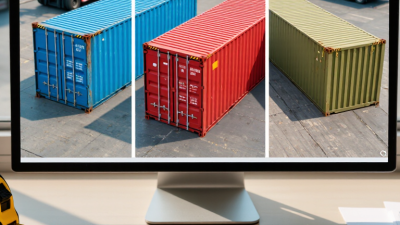
When contacting sellers in China, state whether you need a new or used container and specify 20-foot or 40-foot, standard height or high cube. Request clear photos of the unit, door seals, floor, corner castings, and identification plate. For used stock, inspect dents and corrosion in person or arrange an independent inspection. I would not rely on a listing’s size label alone; descriptions can be brief, and condition varies. Measure twice.
Find Chinese Sellers: Compare Factories, Depots, Leasing Firms, and B2B Platforms
China’s container market includes factories, inland depots, leasing firms, and B2B platforms. Each suits a different buying need. Factories may offer new or customized units, but buyers should confirm production timelines, specifications, and inspection arrangements. Ask for the steel grade, dimensions, door condition, and floor details in writing. Photos help. They are not proof of condition.
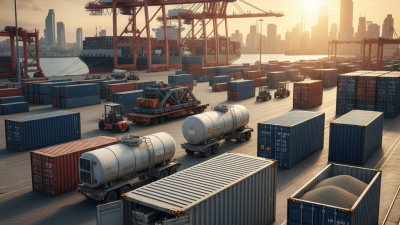
Depots are useful when you need a container already in stock. Visit in person if practical, and inspect the roof, corner castings, door seals, and interior for corrosion or damage. A depot’s listed price may not include transport, lifting, or handling charges. Request a full cost breakdown and clarify where the container will be delivered. Small fees add up.
Leasing firms can suit temporary projects or uncertain demand. Compare rental periods, maintenance responsibilities, deposit terms, and return conditions before signing. B2B platforms make it easier to compare multiple sellers, yet listings can be incomplete or outdated. Treat platform information as a starting point, not verification. Check the seller’s business documents, request a dated inspection report, and use a written purchase agreement. I would not rely on a polished listing alone; even a careful comparison can miss a detail at the loading yard.
Where to Buy Cargo Shipping Containers in China
A practical comparison of common seller channels for international buyers.
Scores are directional ratings (1 = lower, 5 = higher), not market statistics. Depots are often practical for inspecting available stock and buying a single unit; factories are better suited to new-build specifications; leasing firms primarily offer rental; and B2B platforms help buyers compare listings, but stock and terms must be verified with the seller.
Verify Safety and Condition: CSC Exams Start by Year 5, Then Repeat Within 30 Months
When buying cargo shipping containers in China, check the CSC safety approval plate before focusing on paint or price. It identifies the manufacturing date and inspection details. A periodic examination is due no later than five years after manufacture. Later examinations must occur within intervals of 30 months. Check the dates, not just the plate’s presence.
Some containers operate under an approved continuous examination program, shown by an ACEP marking. Ask the seller for records that match the container’s identification number, and have an independent inspector verify them when possible. A faded plate or unclear paperwork deserves follow-up. Do not assume a recent repaint means a recent safety examination.
Inspect the physical condition too. Look closely at corner castings, door locking gear, roof seams, and floorboards. Check for daylight through holes, serious corrosion, or doors that bind when opened. Take dated photos and record defects before payment or dispatch. CSC compliance does not guarantee a container is suitable for every cargo or route. I would not rely on a checklist alone; rushed inspections can miss damage beneath flooring or fresh coatings.
Compare Quotes and Freight: One 40-ft FEU Equals Two TEU
Where to Buy Cargo Shipping Containers in China?
When comparing container quotes in China, check the unit basis before comparing totals. A TEU represents a 20-foot equivalent, while an FEU represents a 40-foot equivalent. In capacity terms, one 40-foot FEU equals two TEU. But a 40-foot container does not always cost exactly twice as much as a 20-foot container. Availability, route, and delivery distance can change the price. Read each quote carefully.
You can request offers from container manufacturers, depots, or export agents. Ask whether the listed price covers a new or used unit, inspection, documentation, and delivery to your loading site. Check the container’s dimensions, condition, door seals, and floor for visible damage. Small details matter. A low unit price may exclude inland transport or handling charges, so request those as separate line items.
Freight quotes also need a like-for-like comparison. Confirm whether the rate is per container, per FEU, or per TEU, and ask about surcharges and the quote’s validity period. Two TEU do not automatically share the same schedule or total cost as one FEU. The comparison is useful, but imperfect. For a clearer estimate, send each supplier the same cargo dimensions, destination, and delivery requirements, then compare the full landed cost.
Plan Port Pickup and Export: China Handled 332.5 Million TEU in 2024 (MOT)
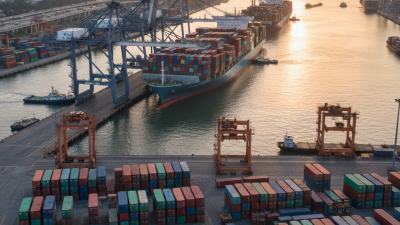
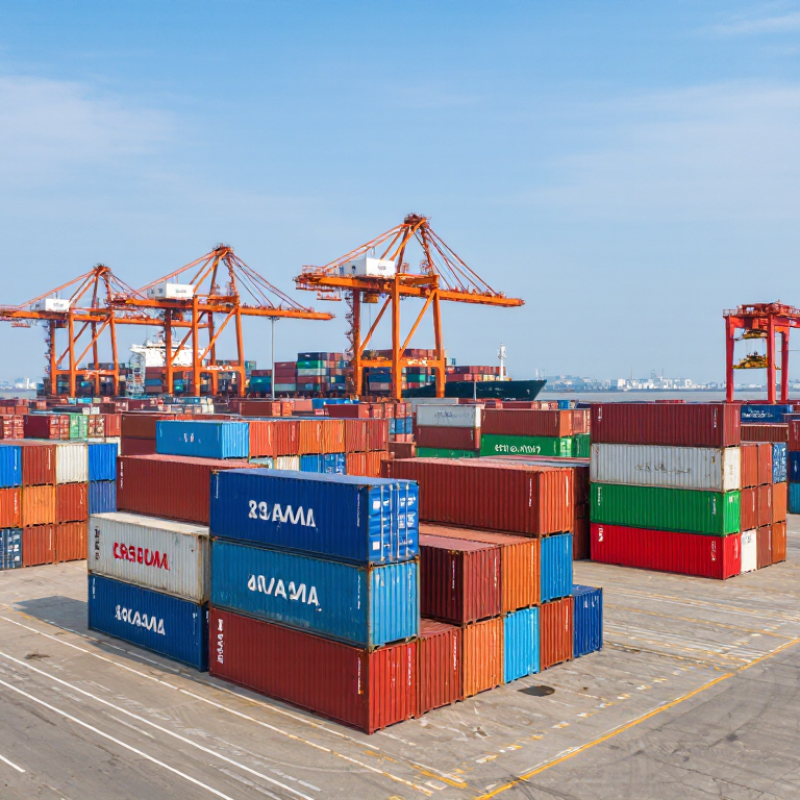
China handled 332.5 million TEU in 2024, according to the Ministry of Transport. TEU measures container port throughput; it does not show how many containers are available for sale. Buyers can contact container manufacturers, leasing firms, or depots near major ports. Ask whether the unit is new or used, its exact dimensions, and whether it is suitable for your cargo and route. A busy port is not a stock list.
Before paying, request recent photos and a written condition report. Check the doors, floor, roof, corner castings, and container identification details. For international shipment, confirm that its safety approval is valid for the intended use. Small details matter. Plan pickup with the seller and freight forwarder: confirm the depot address, loading arrangements, trucking, terminal charges, export documents, and vessel cut-off date. Get an itemized quote and clarify who handles each step. I would still allow extra time; port schedules and local handoffs can shift.