Blogs

Why Choose a US Ocean Freight Line for Global Shipping?

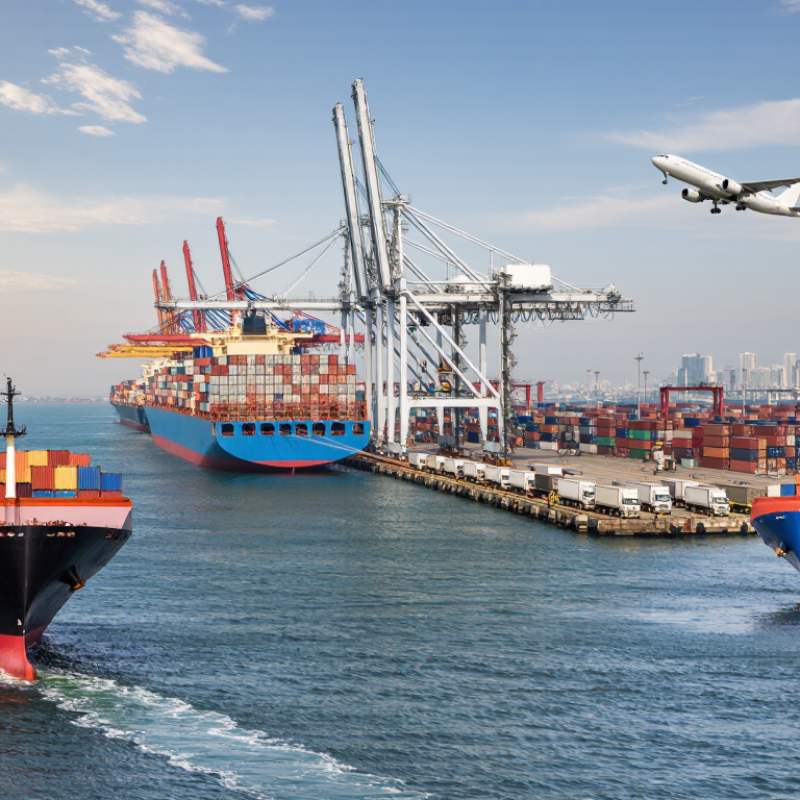
Choosing a US Ocean Freight Line can bring structure, visibility, and dependable support to global shipping decisions. Ocean transport is rarely just a vessel moving between ports. It involves booking space, preparing documents, coordinating terminals, and monitoring cargo milestones. A capable carrier can connect major US gateways with Asia, Europe, Latin America, and other markets through established sailing schedules.

Martin Stopford, a respected maritime economist, has described the industry simply: “Shipping is a derived demand.” That insight matters. Freight capacity must respond to real trade flows, seasonal demand, inventory changes, and port conditions. A strong US Ocean Freight Line understands these pressures and helps shippers plan around them. Clear tracking, responsive communication, and practical exception management can reduce uncertainty when schedules change.

The details become visible at the warehouse. A container may wait for a chassis, face a cutoff deadline, or require careful handling for temperature-sensitive goods. Experienced freight teams notice these risks early. They also support accurate commercial documents and responsible coordination with customs professionals. No carrier is perfect. Delays still happen. That is reality.

The better question is how a provider responds. Does it explain the delay? Does it offer workable alternatives? Does it protect cargo visibility from origin pickup to final delivery? Reliable service depends on measurable performance, not impressive promises. For companies comparing international shipping options, a US Ocean Freight Line may offer the operational discipline, network knowledge, and accountability needed to move cargo with greater confidence.
Why Choose a US Ocean Freight Line for Global Shipping?

What “US Ocean Freight Line” Means in Global Maritime Logistics

Why Choose a US Ocean Freight Line for Global Shipping?

What “US Ocean Freight Line” Means in Global Maritime Logistics

In global maritime logistics, “US Ocean Freight Line” usually describes a carrier service connecting US ports with overseas trade lanes. It does not automatically mean a US-owned vessel. The real question is practical: which ports, schedules, equipment, and inland connections support the shipment? A container might leave a warehouse in Chicago, travel by rail to Los Angeles, then cross the Pacific.

UNCTAD’s Review of Maritime Transport 2024 reports that ships carry over 80% of global merchandise trade by volume. For shippers, an ocean freight line should offer more than vessel space. It should provide reliable schedules, container availability, accurate documents, and controlled cargo handoffs. The World Bank’s Container Port Performance Index 2023 assessed 348 container ports using vessel turnaround time. That measure matters. A delayed crane operation can cause a missed rail connection, storage fees, and an empty production line. Small details matter.

Reliability also has an environmental dimension. UNCTAD estimates that international shipping produces about 3% of global greenhouse-gas emissions. A credible service should explain its emissions methods, sailing changes, and disruption notices. Still, no timetable is perfect. Weather, congestion, and operational restrictions can intervene. Published schedules may look precise, but real port conditions are not. I would question any promise of guaranteed arrival. Transparent exceptions and verifiable performance records are more useful.


Why Over 80% of Global Trade by Volume Moves by Sea (UNCTAD)

Why Choose a US Ocean Freight Line for Global Shipping?

Why Over 80% of Global Trade by Volume Moves by Sea (UNCTAD)

More than 80% of global trade by volume moves by sea, according to UNCTAD. This scale reflects ocean freight’s practical strength: it carries heavy, oversized, and containerized cargo efficiently across long distances. A US ocean freight line can connect major American ports with established international routes. This supports predictable planning for manufacturers, distributors, and retailers.

In real shipping work, reliability depends on more than the vessel’s departure date. Port congestion, weather, customs reviews, and inland trucking can change a schedule. I have learned that a two-day buffer often prevents expensive disruption. Still, schedules are not perfectly predictable. That is an important reality to communicate early. Experienced freight teams compare transit times, sailing frequency, port services, and documentation requirements before booking. Clear cargo descriptions and accurate weights also reduce avoidable delays.

Tips: Confirm cut-off times before cargo reaches the terminal. Keep commercial invoices and packing details consistent. Ask for milestone updates from pickup through delivery. Choose a route with practical backup options, not just the lowest quoted rate. Small details matter.

Why Choose a US Ocean Freight Line for Global Shipping? - Why Over 80% of Global Trade by Volume Moves by Sea (UNCTAD)
Data Dimension Verified Data Year or Reference Why It Matters for Global Shipping Source
Share of global trade by volume transported by sea More than 80% Current UNCTAD reference Ocean transport is the primary mode for moving bulk commodities, manufactured goods, energy products, agricultural products, and containerized cargo across international markets. UNCTAD
Share of global trade by value transported by sea Approximately 70% Current UNCTAD reference The maritime sector remains essential not only for high-volume commodities but also for international supply chains involving manufactured and intermediate goods. UNCTAD
Global seaborne trade volume About 12.3 billion tonnes 2023 This scale demonstrates the capacity of ocean shipping to handle large, continuous flows of cargo at global distances. UNCTAD, Review of Maritime Transport 2024
Annual growth in seaborne trade Approximately 2.4% 2023 Growth in seaborne trade reflects continuing demand for international sourcing, export manufacturing, energy transport, and cross-border distribution. UNCTAD, Review of Maritime Transport 2024
Global container port throughput Approximately 858 million TEU 2023 Containerized shipping provides standardized handling for consumer goods, industrial components, machinery, electronics, and other general cargo. UNCTAD, Review of Maritime Transport 2024
Worldwide commercial fleet capacity More than 2.4 billion deadweight tonnes Beginning of 2024 Large global fleet capacity supports the movement of heavy and oversized cargo that would be impractical or substantially more expensive to transport by air. UNCTAD, Review of Maritime Transport 2024
International trade supported by maritime transport More than four-fifths of world trade by volume UNCTAD industry overview Businesses using ocean freight can connect with established port, customs, inland transportation, and distribution networks in multiple regions. UNCTAD
Maritime transport contribution to global anthropogenic GHG emissions Approximately 2.89% 2018 The figure highlights the importance of fuel efficiency, vessel efficiency, route planning, and lower-carbon fuels as ocean shipping continues to support global commerce. International Maritime Organization, Fourth IMO GHG Study
Typical cargo suitability Bulk, breakbulk, roll-on/roll-off, and containerized cargo Global maritime transport structure Ocean freight accommodates diverse cargo types, including raw materials, vehicles, project cargo, agricultural goods, and finished products. UNCTAD
Note: TEU means twenty-foot equivalent unit. Deadweight tonnage measures the total weight a vessel can safely carry, including cargo, fuel, provisions, and crew-related supplies.

How US Lines Use 20-Foot Containers and TEU Capacity to Scale Shipping

Why Choose a US Ocean Freight Line for Global Shipping?

A US ocean freight line can scale international cargo through standard 20-foot containers. One 20-foot container equals one TEU, the industry’s basic capacity unit. Two 20-foot containers represent two TEUs, even when their cargo weights differ. This simple measure helps shippers compare vessel space, terminal availability, and seasonal capacity.

In practical shipping work, accurate container data prevents expensive surprises. Record carton dimensions, gross weight, loading points, and delivery deadlines before requesting space. A 20-foot container often suits dense goods, machinery, or smaller export volumes. It may waste space when products are light and bulky. Forecasts are rarely perfect.

Tips: Compare TEU space with usable cubic capacity. Ask how cut-off times, inland transport, and port handling affect the booking. Keep a small buffer for delays, because schedules can change.

Reliable lines also connect ocean services with rail and truck networks across the United States. This can make a difference when cargo must move from an inland warehouse to a coastal terminal. Weekly capacity reviews help adjust bookings before peak periods. However, capacity alone is not enough. A full container can still face delays from documentation errors, terminal congestion, or poor loading plans. Careful measurements and realistic deadlines remain essential.

How FMC Oversight Supports Transparent Rates and Shipper Protection

Why Choose a US Ocean Freight Line for Global Shipping?

A US ocean freight line can offer structured oversight through the Federal Maritime Commission (FMC). The FMC monitors ocean common carriers and shipping intermediaries operating in US trades. This framework encourages clear service terms, published tariff information, and documented charges. It does not guarantee the lowest rate. That matters.

In practice, shippers should request a complete quotation before booking. The document should separate ocean freight, terminal handling, documentation, fuel adjustments, and detention charges. FMC rules also support formal complaint channels when billing or service problems arise. Financial responsibility requirements for certain intermediaries can provide additional protection. Still, oversight is not a substitute for careful review. I have seen attractive quotes become expensive after unclear destination fees appeared.

Tips: Compare the written rate with the final invoice. Ask when free time begins and ends. Confirm who controls container release. Keep booking confirmations, emails, and delivery records. A simple cost sheet can expose missing charges before cargo moves. Ask questions early. Mistakes are cheaper then.

Experienced shipping teams also check whether the proposed service matches the cargo’s schedule and port requirements. A reliable partner should explain delays, rolled bookings, and equipment shortages without vague promises. FMC oversight strengthens accountability, but communication remains essential. The best protection is a documented agreement, realistic timing, and an audit trail that another person can understand.

Why Port Connectivity and Transit Reliability Matter in Global Freight Planning

Why Choose a US Ocean Freight Line for Global Shipping?

In global freight planning, port connectivity often matters more than a vessel’s advertised speed. A connected ocean freight line links major gateways with inland rail, trucking, and customs facilities. This reduces handoff delays after discharge. From shipment reviews, the weak point is often not the sea passage. It is the final transfer from terminal to distribution center. A container may sit for two days while a truck appointment is arranged. Small gaps become expensive.

Transit reliability depends on schedule discipline, port rotation, and contingency planning. A dependable service provides realistic sailing windows, clear cut-off times, and timely exception alerts. Operations teams can then protect inventory levels and coordinate warehouse labor. They should also compare historical performance, not only published transit times. Weather, congestion, and equipment shortages still create disruption. No route is perfect. Pretending otherwise weakens planning.

Choosing a US ocean freight line can support global coverage when its network connects US gateways with regional hubs and inland corridors. Review sailing frequency, transshipment points, terminal dwell data, and alternative routes. Ask how delays are reported and who manages escalation. A reliable provider shares measurable service records and explains limitations plainly. That transparency builds trust, although forecasts can still miss sudden port closures or demand spikes. Leave buffer time where failure could stop production or disappoint customers.

Plug & Play Installation

Our installation services are top-notch, delivering modular systems for any application on time in plug & play condition. We leave nothing for you to figure out, set up, or fix. All you’ve to do is just step in, and get going with your business.

Dismantling & Reassembling

We hold a long-term view when we build modular rooms taking into consideration your changing needs. Whether it’s shifting your workspace to a new site, redesigning your unit to fit new requirements, or simply clearing the area at the end of the project, our Dismantling & Reassembling teams are pressed into service to get the job done in the quickest possible time and minimum resource wastage.

Interior Designing

Our interior designs combine both functional and aesthetic aspects to provide you with physical and emotional comfort. We ask you for your preferences and give the best possible solutions aligned to your tastes. Our units are built to be modern, stylish, and elegant.

Bespoke Solutions

We understand that every project is unique and therefore has a different set of requirements. That’s why we believe in customizing our solutions to fit individual needs. We are equipped with the right talents, technology, and skillset to offer bespoke modular units, without compromising on turnaround time or quality.

Aftersales Service

The benefits of choosing Containers ME continues long after the installation of the units as we provide aftersales service for as long as you need. All you have to do is sign the Annual Maintenance Contract (AMC) and enjoy technical support for all the maintenance-related issues. By signing the contract, you can rest assured that a highly professional team of dedicated staff are at your service all year round to attend to your needs.

Customized Container Solutions

We specialize in Customized Container Solutions designed to meet diverse needs across the UAE. Our offerings include customized modular containers that cater to various applications, from tailor-made container solutions to bespoke container designs.

Whether you’re looking for personalized container homes or custom modular containers, we have you covered. Our customized container offices provide functional workspaces, while our customized portable containers ensure flexibility on-site. Explore our range of custom container storage units and customized cargo containers to optimize your space.

We also offer custom container leasing and custom container fabrication services, along with customized sea containers designed for secure transport. For specialized needs, our specialized container modifications will help you create the perfect solution for your requirements in both Dubai and the broader UAE.

Get a quote

Get a quote