Blogs

Why Choose Custom Container Fabrication for Global Shipping?

Why Choose Custom Container Fabrication for Global Shipping?

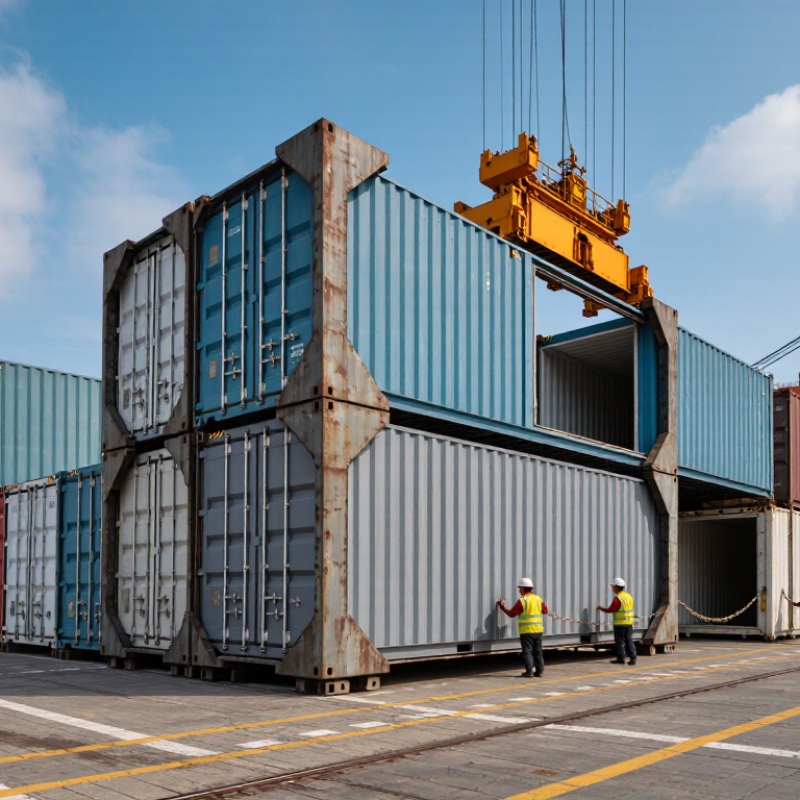
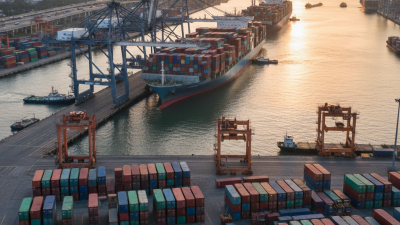
Global shipping depends on containers that survive heavy handling, changing climates, and repeated port transfers. UNCTAD’s Review of Maritime Transport 2024 reports that maritime transport carries more than 80% of global merchandise trade by volume. That figure makes container performance a commercial concern, not merely an engineering detail. Standard units remain useful, but they cannot fit every cargo profile. Oversized machinery, temperature-sensitive goods, and specialized industrial components often require different dimensions, access points, flooring, or ventilation. This is where container fabrication becomes practical.

Lars Jensen, founder of Vespucci Maritime, has repeatedly emphasized that container shipping works as a connected system, not as isolated equipment. His central observation is simple: “Every container must fit the wider logistics network.” A custom unit should therefore match lifting limits, securing methods, port handling, and inland transport requirements. The details are visible: reinforced corner castings, corrosion-resistant coatings, drainage channels, and doors positioned for safer loading. Small choices can prevent expensive delays.

Drewry’s container equipment research also shows how leasing, repositioning, and equipment availability influence shipping costs. Custom fabrication cannot solve every supply-chain problem. It may increase initial cost, weight, or approval time. That weakness deserves attention. Yet, when a standard box causes repeated damage or inefficient loading, customization can reduce waste and handling risks. The strongest decision combines engineering evidence, carrier requirements, and documented cargo measurements. Not guesswork.

Why Choose Custom Container Fabrication for Global Shipping?

Mapping Cargo, Route, and Climate Requirements for Custom Containers

Why Choose Custom Container Fabrication for Global Shipping?

A custom container begins with a clear cargo map. Record dimensions, weight distribution, lifting points, and loading order. A fragile machine may need internal bracing, moisture barriers, or shock protection. Tall cargo often requires reinforced walls and carefully placed access doors. These details reduce movement during handling and sea transit.

The route adds another layer. A container crossing humid ports faces different stresses from one traveling through dry inland regions. Map temperature swings, rainfall, salt exposure, road vibration, and handling frequency. Experienced fabricators can match steel thickness, coatings, ventilation, insulation, and tie-down systems to those conditions. They should also verify load limits and provide practical drawings for operators. Small omissions can become expensive delays. That deserves honest review.

Tips: Photograph the cargo before fabrication. Mark its center of gravity. Test the loading method with a simple mock-up when possible. Leave service access for inspection and maintenance. Ask for material specifications, weld inspection records, and weather-resistance details. Do not assume one container design suits every route. A design may work well in a workshop yet fail after repeated lifting. Review it with the carrier, packer, and site team before production. Perfect planning is uncommon, but careful mapping catches weak points early.

Applying ISO 668 Dimensions and ISO 1496 Performance Standards

Why Choose Custom Container Fabrication for Global Shipping?

Applying ISO 668 Dimensions and ISO 1496 Performance Standards

More than 80% of global merchandise trade moves by sea, according to UNCTAD’s Review of Maritime Transport 2024. That scale leaves little room for dimensional surprises. Custom container fabrication helps engineers fit specialized cargo within ISO 668 requirements, including standard external dimensions, corner fittings, and handling interfaces. A millimeter can matter. A few centimeters can disrupt loading plans, chassis clearance, or vessel stowage.

ISO 1496 adds performance expectations for real operating conditions. Its testing framework addresses stacking, lifting, restraint, floor strength, and weather resistance. Fabricators should verify weld quality, door alignment, lashing points, and coating thickness against the intended route. Salt spray is unforgiving. So are repeated crane lifts. The World Bank’s Logistics Performance Index 2023 highlights reliability as a core logistics measure, making predictable container handling commercially important.

Custom design is not permission to ignore standardization. That mistake happens. A stronger floor may increase tare weight, while extra fittings can reduce usable space. Engineers should document load cases, center of gravity, inspection access, and maintenance needs before cutting steel. UNCTAD also reports continuing pressure from port disruption and network changes, so containers may face longer waits and more transfers than planned. ISO compliance reduces uncertainty, but it does not replace route-specific testing. A design can pass factory checks and still reveal weaknesses after months of vibration, moisture, and hurried handling.

Meeting CSC Safety Rules for International Intermodal Transport

Custom container fabrication supports safer global shipping when standard units cannot meet a cargo’s dimensions or handling needs. However, customization must begin with CSC safety requirements, not appearance. The International Convention for Safe Containers requires approved containers to withstand repeated lifting, stacking, and transport stresses.

A qualified fabricator should verify corner posts, top and bottom rails, sidewalls, doors, flooring, and weld quality. Load calculations should reflect real cargo weight and uneven distribution. The finished unit may require structural testing, inspection, and a valid CSC safety approval plate from an authorized authority. Documentation matters during port transfers and intermodal handling. Missing records can create delays, even when the container looks strong.

Experience shows that small details often cause trouble. Door alignment may change after welding. Drainage openings may weaken a panel if poorly positioned. A perfect drawing can still fail in daily handling. That possibility deserves honest review.

Tips: Share cargo drawings, weight data, lifting points, and loading methods early. Ask for material certificates and inspection records. Check the CSC plate before each international movement. Photograph welds and fittings during final inspection. Do not assume a reinforced container is automatically compliant. Test it, document it, and review the design after its first operating cycle.

Why Choose Custom Container Fabrication for Global Shipping? - Meeting CSC Safety Rules for International Intermodal Transport

Design Dimension Verified Requirement or Industry Fact How Custom Fabrication Supports Compliance Typical Data Point Inspection Evidence
CSC approval status A container used for international transport generally requires a valid CSC Safety Approval Plate under the International Convention for Safe Containers. The fabrication plan can be developed around the applicable approval procedure, approved drawings, material records, and required prototype or production inspections. CSC approval is issued by, or under the authority of, the relevant contracting-party administration or its authorized representative. Legible CSC Safety Approval Plate fixed to the container.
Periodic examination The first periodic examination is required within five years of manufacture. Subsequent examinations are generally required at intervals of no more than 30 months. Durable markings, accessible welds, replaceable components, and inspection-friendly structural details help reduce examination delays. Initial examination: ≤ 5 years; later examinations: ≤ 30 months, unless an approved continuous examination program applies. Examination date and maintenance records.
Continuous examination option An approved ACEP may be used instead of the normal periodic examination system where accepted by the relevant administration. Custom documentation can define inspection points, maintenance intervals, damage criteria, and responsibilities across the container’s operating life. ACEP is a continuous control system rather than a single examination date. ACEP identification and documented inspection history.
Nominal external dimensions Common ISO freight-container lengths include 20 ft and 40 ft. Nominal external dimensions are standardized, while manufacturing tolerances and detailed configurations vary. Custom fabrication can preserve standard handling interfaces while adapting internal clearances, doors, ventilation, insulation, or equipment supports. 20 ft: approximately 6.058 m long × 2.438 m wide × 2.591 m high. 40 ft: approximately 12.192 m long × 2.438 m wide × 2.591 m high. Dimensional inspection against approved drawings and applicable ISO requirements.
Gross mass marking The maximum operating gross mass must be permanently and clearly marked. The value includes the container tare mass and its cargo. The structural design, floor system, lifting points, and identification plate can be matched to the declared maximum gross mass instead of relying on an unsuitable standard design. Many standard dry containers use a maximum gross mass of 30,480 kg, but the approved value is specific to the individual container design. CSC plate, door markings, and verified weighing or design records.
Corner fittings and handling Intermodal containers depend on standardized corner fittings for lifting, stacking, securing, and transfer between ship, rail, and road equipment. Custom designs can retain compatible corner fittings while reinforcing load paths around lifting and stacking areas. Corner fittings are designed for standardized twist-lock and lifting interfaces under applicable ISO container requirements. Fitting position, weld quality, alignment, and dimensional checks.
Stacking strength CSC approval evaluates the container’s ability to withstand stacking forces that occur during shipboard, rail, and terminal operations. Load paths can be engineered around corner posts, top and bottom rails, cross-members, and any special openings or modifications. Structural performance is verified through the applicable CSC test and approval procedure rather than by appearance alone. Approved structural calculations, test records, and weld inspections.
Lifting and securing points Containers must safely withstand handling operations using approved lifting and securing methods. Custom lifting frames, internal equipment, and external attachments can be integrated without compromising approved corner-post and rail load paths. Permitted lifting methods and limits must follow the approved design and container markings. Lifting-point inspection and verification of approved handling instructions.
Floor and cargo loading The floor and supporting members must withstand the intended cargo loads, including concentrated loads from forklifts, pallets, machinery, or vehicle-mounted equipment. Floor thickness, cross-member spacing, reinforcement plates, tie-down points, and load distribution can be tailored to the cargo profile. Cargo capacity is design-specific and must not be inferred solely from the container’s external length. Floor load testing, deflection checks, and tie-down-point inspection.
Doors, walls, roof, and weather protection Doors, end walls, side walls, and roofs contribute to the container’s structural integrity and protection of cargo during intermodal movement. Fabrication can incorporate reinforced doors, insulated panels, ventilation, access hatches, and weather seals while preserving required strength and safe operation. Openings and attachments require engineering review because they can change the original load path. Leak testing, door operation checks, panel inspection, and structural review.
Modification control Cutting, welding, adding doors, installing machinery, or changing the frame can affect the container’s approved safety characteristics. A custom-fabrication process can include engineering change control, weld procedures, material traceability, non-destructive testing, and re-approval where necessary. A modified container should not be assumed to retain CSC validity without assessment by the responsible approval authority. Revised drawings, welding records, inspection reports, and updated approval documentation.
Traceability and markings Identification, safety markings, maximum gross mass, tare mass, and other required information must remain clear and durable throughout service. Custom production can integrate corrosion-resistant plates, durable labels, serial identification, and maintenance instructions at defined locations. Markings must remain visible after painting, repair, handling, and normal environmental exposure. Plate legibility, serial-number consistency, and document-to-container matching.
International operating environment Containers may encounter salt spray, humidity, temperature changes, vibration, repeated lifting, rail impacts, and road transport loads. Material selection, drainage, corrosion protection, sealed electrical systems, and replaceable wear components can be specified for the planned route and service life. Environmental protection is a design requirement; CSC approval alone does not define every cargo-specific or electrical requirement. Coating inspection, drainage checks, corrosion survey, and route-specific equipment assessment.

Reference basis: International Convention for Safe Containers (CSC), commonly applied ISO freight-container dimensions and handling interfaces, and standard container inspection practices. Final approval requirements depend on the container design, intended use, modification scope, and the responsible administration or authorized inspection body.

Optimizing Payload: Standard Containers Carry Over 80% of Seaborne Trade

Why Choose Custom Container Fabrication for Global Shipping?

Standard containers carry over 80% of seaborne trade. Their success comes from predictable dimensions, strong corner fittings, and efficient port handling. However, standard space does not suit every shipment. Oversized machinery, temperature-sensitive materials, and dense industrial parts may leave unused gaps or create unstable weight distribution. Custom container fabrication can address these problems with reinforced floors, modified doors, internal frames, and carefully planned tie-down points.

In practical loading work, a few centimeters can matter. A fitted support frame may prevent movement and reduce wasted cubic space. Engineers can also balance payload weight across the container floor. This helps protect cargo during lifting, trucking, and ocean movement. The design should still match approved handling dimensions and verified weight limits. Custom is not always better. A complex modification can increase tare weight, reduce usable capacity, or complicate port acceptance. That deserves honest review.

Tips: Measure the cargo after packaging, not before. Record height, width, length, and total weight. Leave access for inspection and handling equipment. Request drawings, material details, and load-test records from the fabricator. Check the final design with a qualified shipping engineer. Small errors become expensive at sea. A rushed specification may look efficient on paper but perform poorly during loading.

Why Choose Custom Container Fabrication for Global Shipping?

Optimizing payload and internal dimensions helps standard containers support the efficient movement of general cargo across global supply chains.

Global container port throughput increased from approximately 784.6 million TEU in 2018 to 867.3 million TEU in 2023. The figures represent twenty-foot equivalent units and illustrate the continuing importance of containerized shipping capacity.

Comparing Lifecycle Costs, Lead Times, and Carbon Efficiency Before Selection

Why Choose Custom Container Fabrication for Global Shipping?

Comparing Lifecycle Costs, Lead Times, and Carbon Efficiency Before Selection

Custom container fabrication should begin with lifecycle costs, not the purchase price. A lower-cost unit may require frequent repairs, special handling, or early replacement. A custom design can match cargo dimensions, stacking needs, ventilation, and loading equipment more precisely.

In field evaluations, small details often influence long-term expenses. Reinforced corners can reduce damage during repeated handling. Accessible panels can shorten inspection and repair time. Standardized fittings may also simplify transfers between ports, warehouses, and inland transport. However, customization usually increases engineering and production time. A clear specification prevents expensive changes after fabrication starts. Prototype approval matters.

Lead times need practical review. Material availability, welding capacity, testing, and documentation can each affect delivery. A reliable supplier should provide inspection records and realistic production milestones. We once underestimated approval time for a modified door assembly. The container arrived later than planned. That mistake showed why schedules need contingency, not optimism.

Carbon efficiency is broader than factory emissions. A durable container can avoid replacement materials and repeated transport. Better internal dimensions may reduce empty space and shipment frequency. Yet extra steel increases embodied carbon. The design should therefore use reinforcement only where handling data supports it. Repairability, regional maintenance, and eventual material recovery deserve equal attention. The best option is not always the lightest one.

Plug & Play Installation

Our installation services are top-notch, delivering modular systems for any application on time in plug & play condition. We leave nothing for you to figure out, set up, or fix. All you’ve to do is just step in, and get going with your business.

Dismantling & Reassembling

We hold a long-term view when we build modular rooms taking into consideration your changing needs. Whether it’s shifting your workspace to a new site, redesigning your unit to fit new requirements, or simply clearing the area at the end of the project, our Dismantling & Reassembling teams are pressed into service to get the job done in the quickest possible time and minimum resource wastage.

Interior Designing

Our interior designs combine both functional and aesthetic aspects to provide you with physical and emotional comfort. We ask you for your preferences and give the best possible solutions aligned to your tastes. Our units are built to be modern, stylish, and elegant.

Bespoke Solutions

We understand that every project is unique and therefore has a different set of requirements. That’s why we believe in customizing our solutions to fit individual needs. We are equipped with the right talents, technology, and skillset to offer bespoke modular units, without compromising on turnaround time or quality.

Aftersales Service

The benefits of choosing Containers ME continues long after the installation of the units as we provide aftersales service for as long as you need. All you have to do is sign the Annual Maintenance Contract (AMC) and enjoy technical support for all the maintenance-related issues. By signing the contract, you can rest assured that a highly professional team of dedicated staff are at your service all year round to attend to your needs.

Customized Container Solutions

We specialize in Customized Container Solutions designed to meet diverse needs across the UAE. Our offerings include customized modular containers that cater to various applications, from tailor-made container solutions to bespoke container designs.

Whether you’re looking for personalized container homes or custom modular containers, we have you covered. Our customized container offices provide functional workspaces, while our customized portable containers ensure flexibility on-site. Explore our range of custom container storage units and customized cargo containers to optimize your space.

We also offer custom container leasing and custom container fabrication services, along with customized sea containers designed for secure transport. For specialized needs, our specialized container modifications will help you create the perfect solution for your requirements in both Dubai and the broader UAE.

Get a quote

Get a quote