
Blogs

Why Are Electric Power Substations Important?

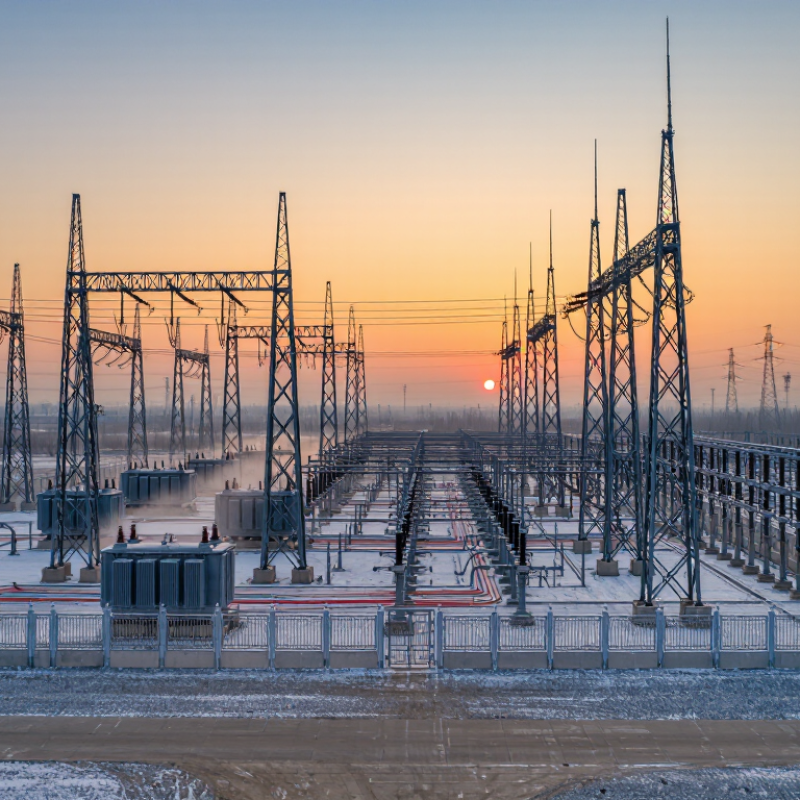
At 6:40 on a winter morning, a substation may look quiet: steel frames, porcelain insulators, and transformers humming behind a fence. Yet this is where electricity is adjusted, routed, and protected before reaching homes, hospitals, and factories. Electric Power Substations help connect different parts of the grid and keep power flowing within safe operating limits. When a line develops a fault, protective equipment can isolate the affected section. The rest of the network may continue serving customers.

IEEE Fellow John D. McDonald, editor of Electric Power Substations Engineering, is a recognized authority in this field. In paraphrase, his engineering work points to a practical truth: substations bring voltage transformation, switching, protection, and monitoring together at critical grid junctions. That combination is easy to overlook. It is also essential. A transformer changes voltage; relays detect abnormal conditions; circuit breakers interrupt current when needed. Operators rely on monitoring systems to understand what is happening across the equipment.

This article explores why substations matter, how their main components work, and what makes their design and maintenance challenging. It also considers the consequences of aging equipment, severe weather, and rising electricity demand. A substation is not simply a fenced collection of machinery. It is a carefully coordinated system, and small weaknesses can have wider effects. Still, technology alone cannot guarantee reliability. Maintenance schedules, skilled staff, and sound operating decisions matter too. There is no single fix for every grid problem; that deserves a closer look.
Why Are Electric Power Substations Important?

What an Electric Power Substation Is

An electric power substation is a controlled point where electricity changes voltage or route. It links transmission lines to distribution feeders that carry power toward homes and businesses. Inside, large transformers raise or lower voltage. Breakers and busbars direct current through the yard, while protective relays detect faults and isolate affected equipment. In plain terms, a substation is a switching and voltage-conversion point, not a power plant. Small detail, big consequence.

High-voltage lines can carry electricity at hundreds of kilovolts; local feeders use lower voltages. The U.S. Energy Information Administration reports that transmission and distribution losses average about 5% of electricity delivered in the United States. That figure covers the whole network, not substations alone, but it shows why efficient equipment matters. The International Energy Agency’s 2023 report Electricity Grids and Secure Energy Transitions estimates that more than 80 million kilometers of grids must be added or refurbished by 2040. Substations are part of that work. Aging transformers, crowded yards, and summer heat can all limit capacity. Still, a substation is not a magic box. Its diagrams look tidy; field conditions are less predictable, and maintenance choices depend on equipment condition and changing demand.


How Substations Control Voltage and Direct Power

Electric power substations help move electricity safely from generating stations to homes, businesses, and public services. They sit at key points in the grid, where equipment can change voltage and route power along different lines. A transformer raises voltage for long-distance transmission, reducing energy lost as heat in the wires. Near communities, another transformer lowers voltage to levels suitable for local distribution. That change is essential.

A substation also directs power. Circuit breakers can disconnect a line when a fault occurs, while busbars connect incoming and outgoing circuits. Protective relays monitor electrical conditions and signal breakers to act when readings become unsafe. Operators can use switching equipment to reroute electricity around maintenance or damaged components. It is easy to picture a substation as a simple junction, but its controls constantly respond to changing demand. Still, diagrams can make this work look neater than it is; real networks require careful planning and regular inspection.

Tips: Notice the fenced yards with large transformers and tall insulators. Keep clear of restricted areas, and report damaged fencing or unusual equipment noise to the utility. Small details matter.

Key Equipment Inside a Substation

A substation is more than a fenced yard of steel. Its equipment controls voltage, routes electricity, and helps isolate faults before they spread. The power transformer is often the largest unit: its ribbed cooling surfaces release heat as it changes voltage for transmission or local distribution. Nearby, thick busbars connect incoming and outgoing circuits. They look simple, but a loose or overheated connection can disrupt service. Small details matter.

Circuit breakers open a circuit when relays detect dangerous conditions, such as excessive current. The relay reads measurements from current and voltage transformers, then sends a trip signal. A disconnect switch serves a different purpose: it creates a visible isolation gap for maintenance, but usually is not designed to interrupt load current. That distinction matters. Surge arresters also protect equipment by directing lightning-related overvoltage toward ground.

Control panels, communications systems, and backup batteries support these operations. Batteries can keep protective relays and breaker controls working during an outage; operators may also monitor alarms and measurements remotely. Grounding conductors, buried beneath gravel, help carry fault current safely into the earth. A clean diagram can make the layout seem straightforward. Real sites are less tidy: equipment ages, weather leaves its mark, and maintenance records may not capture every small change. That is why inspection and careful testing remain essential.

How Substations Improve Grid Reliability and Safety

Electric substations keep power moving safely from generators to neighborhoods. Transformers adjust voltage for transmission and local distribution. Circuit breakers isolate a faulted line or transformer, helping keep damage from spreading across the grid. That matters. A dark block is better than a wider outage.

The U.S. Energy Information Administration’s Electric Power Annual reports that U.S. customers experienced an average of about 5.6 hours of interruption in 2022, excluding major events. This national figure does not show how much substations alone affect outages, but it highlights why dependable grid equipment matters. Substations support reliability through protective relays, backup equipment, routine inspections, and clear operating procedures. NERC standard PRC-005-6 requires maintenance programs for protection systems. Safety also depends on sound grounding, locked access, and workers following site procedures. A well-designed station can still fail if a connection corrodes or a relay is not maintained. That is easy to overlook.

Tips: Look for clear station labels, intact fencing, and signs of water or equipment damage. Report concerns to the local utility; never enter a substation.

How Substations Support Modern Energy Systems

Electric power substations connect the high-voltage transmission network to the lower-voltage lines that serve homes, schools, and businesses. Transformers adjust voltage as electricity moves between these networks. Switches and protective relays help isolate faults, limiting damage when a line or piece of equipment fails. On a rainy evening, this can help crews restore power to one section without shutting down an entire neighborhood.

Substations also support changing energy systems. They help manage electricity from wind and solar facilities, whose output can shift with weather and time of day. Sensors and control systems give operators information about voltage, equipment condition, and power flow. That information supports safer decisions, though it does not make every outage preventable. Maintenance still matters. A worn connection or overlooked alarm can become a bigger problem than expected. It is easy to focus on advanced controls and forget the value of careful inspection.

Tips: Keep access roads and equipment areas clear. Report damaged fencing or unusual sounds to the utility; do not enter a substation. For operators, reviewing alarms and testing protective devices on schedule can reveal small issues before they grow. Some readings need context, not just a quick glance.

Plug & Play Installation

Our installation services are top-notch, delivering modular systems for any application on time in plug & play condition. We leave nothing for you to figure out, set up, or fix. All you’ve to do is just step in, and get going with your business.

Dismantling & Reassembling

We hold a long-term view when we build modular rooms taking into consideration your changing needs. Whether it’s shifting your workspace to a new site, redesigning your unit to fit new requirements, or simply clearing the area at the end of the project, our Dismantling & Reassembling teams are pressed into service to get the job done in the quickest possible time and minimum resource wastage.

Interior Designing

Our interior designs combine both functional and aesthetic aspects to provide you with physical and emotional comfort. We ask you for your preferences and give the best possible solutions aligned to your tastes. Our units are built to be modern, stylish, and elegant.

Bespoke Solutions

We understand that every project is unique and therefore has a different set of requirements. That’s why we believe in customizing our solutions to fit individual needs. We are equipped with the right talents, technology, and skillset to offer bespoke modular units, without compromising on turnaround time or quality.

Aftersales Service

The benefits of choosing Containers ME continues long after the installation of the units as we provide aftersales service for as long as you need. All you have to do is sign the Annual Maintenance Contract (AMC) and enjoy technical support for all the maintenance-related issues. By signing the contract, you can rest assured that a highly professional team of dedicated staff are at your service all year round to attend to your needs.

Customized Container Solutions

We specialize in Customized Container Solutions designed to meet diverse needs across the UAE. Our offerings include customized modular containers that cater to various applications, from tailor-made container solutions to bespoke container designs.

Whether you’re looking for personalized container homes or custom modular containers, we have you covered. Our customized container offices provide functional workspaces, while our customized portable containers ensure flexibility on-site. Explore our range of custom container storage units and customized cargo containers to optimize your space.

We also offer custom container leasing and custom container fabrication services, along with customized sea containers designed for secure transport. For specialized needs, our specialized container modifications will help you create the perfect solution for your requirements in both Dubai and the broader UAE.

Get a quote

Get a quote



