Blogs

What Are the Best Container Solutions from China?

Choosing the best container solutions from China requires more than comparing prices. Buyers must match the container to its use, cargo, route, and expected service life. Options can include standard dry containers, refrigerated units, and modular containers for site or storage needs. The details matter: door seals, corner castings, floor condition, insulation, and coating quality affect real-world performance. Small defects can become costly.

Industry data helps explain why careful selection matters. UNCTAD’s Review of Maritime Transport 2024 reported that global maritime trade grew by 2.4% in 2023, while containerized trade was projected to grow by 3.5% in 2024. These figures describe a changing shipping market, not a guarantee of future demand. For technical comparisons, ISO 668 sets classification and dimensions for freight containers, while the ISO 1496 series addresses performance requirements and testing. Buyers should request clear specifications, inspection records, and, where relevant, evidence of applicable testing. A supplier’s product photos are useful, but they cannot replace an independent inspection. That matters. China has a broad manufacturing base, yet quality and service can vary between factories. A lower quote may omit delivery, after-sales support, or meaningful warranty terms. Not always. This guide will compare practical container solutions from China by application, build quality, customization, and total cost, while noting where buyers should verify claims rather than assume them.
What Are the Best Container Solutions from China?

Types of Container Solutions Manufactured in China

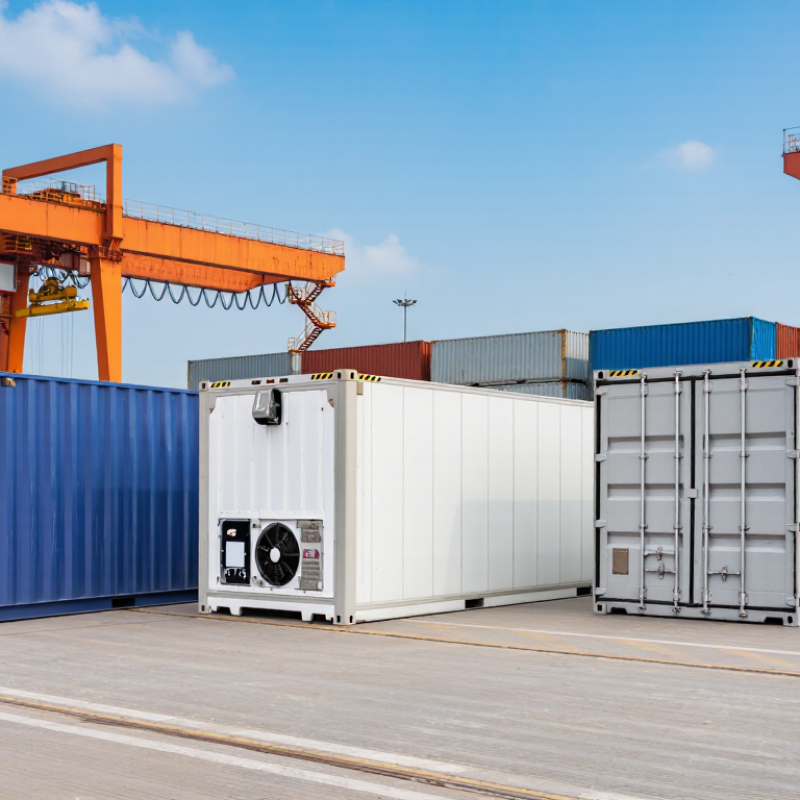
China manufactures container solutions for cargo, temperature control, specialized loads, and modular spaces. Standard dry containers carry boxed goods; high-cube versions add interior height for bulky freight. Refrigerated containers use insulated walls and powered cooling units, so buyers should check temperature records and equipment condition.

Open-top and flat-rack units suit tall or oversized cargo. ISO tank containers carry liquids, while modular units can serve as site offices or storage rooms. Different jobs, different details.

UNCTAD’s Review of Maritime Transport 2024 estimated that global maritime trade grew 2.4% in 2023. That figure provides useful context, but it cannot tell buyers which container fits a shipment.

Before ordering, compare internal dimensions, payload, door clearance, flooring, corrosion, and handling requirements. For refrigerated units, test the cooling system under load when possible.

For used equipment, inspect the structure and confirm the identification plate matches the records. Small defects matter. A container can look sound outside and still have damaged seals or uneven floors. Specifications are useful, but an on-site inspection is better.

Common Materials, Designs, and Customization Options

China’s container suppliers offer common formats in PET, HDPE, polypropylene, glass, and metal. PET suits clear bottles and lightweight jars; HDPE handles opaque containers that need sturdier walls. Glass gives products a heavier, premium feel, but increases shipping weight. Metal works well for rigid cans and tins. Each material has trade-offs.

OECD’s 2022 Global Plastics Outlook reports that packaging accounted for 40% of plastic waste in 2019. That figure makes material choice more than a price decision. Ask suppliers for resin specifications, wall-thickness tolerances, sample testing, and packaging details. Designs may include screw caps, flip tops, pumps, tamper-evident seals, or stackable shapes. Custom options often cover color, surface finish, labels, and mold dimensions. A polished sample can still hide a weak closure. Check fit with the actual product.

Tips: Request production samples before approving a large order. Test leakage, drop resistance, and label adhesion under realistic storage conditions. Small checks matter. Also confirm minimum order quantities and mold costs in writing; customization can become expensive when specifications change late.

How to Assess Chinese Container Manufacturers

Assess a Chinese container manufacturer through evidence, not showroom polish. The World Bank’s 2023 Logistics Performance Index ranked China 19th, with a score of 3.7. That signals strong logistics capability, but it does not certify any factory’s workmanship. Check the production site, quality-control procedures, and traceability of steel, flooring, and coatings. Ask for records tied to the exact model you plan to buy.

Request test documentation against ISO 1496-1, including stacking, lifting, and weatherproofness tests. Inspect weld seams, door seals, corner fittings, and floor joints; these details matter after repeated handling. UNCTAD’s Review of Maritime Transport 2024 reports that global containerized trade grew by 0.3% in 2023. Slow growth makes accurate capacity planning and dependable delivery dates especially important. Verify lead times, inspection checkpoints, spare-part availability, and warranty exclusions in writing.

Numbers are not enough. A clean sample may not match a full production run, so arrange independent pre-shipment inspection where practical. Compare the quoted steel grade, coating thickness, payload, and dimensions against the technical specification—not just the price. Ask how defects are recorded and corrected. Some suppliers may answer slowly or provide uneven documentation; treat that as a risk to clarify, not a detail to overlook.

What Are the Best Container Solutions from China? - How to Assess Chinese Container Manufacturers
Assessment Dimension What to Check Evidence to Request Suggested Weight Good Assessment Indicator
Container type and application fit Confirm that the design suits the cargo, handling method, route, and operating environment. Common options include dry freight, high-cube, refrigerated, open-top, flat-rack, and tank containers. Technical drawings, stated dimensions and payload, cargo requirements, and a written configuration proposal. 20% Specifications match the intended use, and limitations or route-specific requirements are clearly identified.
Standards and regulatory compliance Check which requirements apply to the container type and intended use. ISO 668 covers classification, dimensions, and ratings for freight containers; the relevant parts of ISO 1496 cover specifications and testing. The CSC Convention applies to safety approval of containers in international transport. Applicable certificates, test reports, safety approval details, and a sample container identification or approval plate, where relevant. 25% Documents are current, traceable to the offered design, and consistent with the destination and transport mode.
Materials and manufacturing quality Review the specified steel or other materials, corrosion protection, welding quality, door seals, flooring, and component tolerances. Material specifications, inspection records, coating details, production quality procedures, and sample weld or dimensional inspection reports. 20% Materials and inspection criteria are documented, with checks recorded at defined production stages.
Testing and inspection Verify tests relevant to the container design, such as structural, weatherproofness, door-operation, or temperature-performance checks for refrigerated units. Test methods, acceptance criteria, dated results, equipment calibration records, and pre-shipment inspection reports. 15% Results identify the tested unit or production batch and show whether it met the stated acceptance criteria.
Customization and documentation Assess the handling of non-standard dimensions, access arrangements, fittings, markings, and customer-specific requirements. Approved drawings, revision history, bill of materials, inspection plan, and final document list. 5% Changes are approved in writing and reflected consistently in drawings, production records, and delivery documents.
Delivery and export readiness Confirm production schedule, inspection access, packing or handling arrangements, shipping terms, and responsibility for export documentation. Production timeline, inspection schedule, packing plan, shipping-term quotation, and sample export document set. 5% Milestones, responsibilities, and delivery assumptions are stated clearly before the order is placed.
Warranty and after-sales support Review warranty scope, exclusions, response process, repair guidance, and availability of replacement parts. Written warranty terms, service contact process, parts list, and repair or claim procedure. 10% Coverage and claim steps are specific, practical, and aligned with the destination market.
Suggested evaluation method: score each dimension from 1 (weak evidence) to 5 (strong, verifiable evidence), then apply the suggested weight. 100% Confirm all applicable safety and regulatory requirements before purchase.

Quality Standards and Production Controls

Choosing a container supplier in China starts with process evidence, not a flawless showroom sample. Ask for a control plan covering incoming material checks, dimensional tolerances, closure fit, leak or load tests, and lot traceability. The ISO Survey 2022 recorded 1,265,216 valid ISO 9001 certificates across 189 economies. Certification signals a documented quality system; it does not guarantee every container meets your specification. Small gaps matter.

UNCTAD’s Review of Maritime Transport 2024 reported 858.9 million TEUs in global container-port throughput for 2023. At this scale, consistent dimensions and secure closures matter, especially when containers are stacked and handled repeatedly. Request recent inspection records, calibrated-gauge logs, and defect rates by production lot. Verify a pre-shipment sample against the approved drawing. A good sample can still hide variation.

Tips Put measurable acceptance limits in the purchase specification. Ask how failed units are isolated and corrected. Check whether the factory keeps batch records for your order, not just generic certificates. If test results look unusually perfect, ask for the sampling method and raw readings. That conversation may feel awkward. It is useful.

How to Choose the Right Container Solution for Your Needs

Choosing a container solution from China starts with how it will be used. A unit for ocean transport has different priorities from one used as a workshop or storage room. Write down the cargo dimensions, loading method, site conditions, and expected service life. Measure twice. A pallet that fits inside may still be too wide for the doorway.

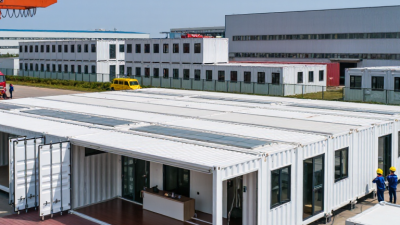
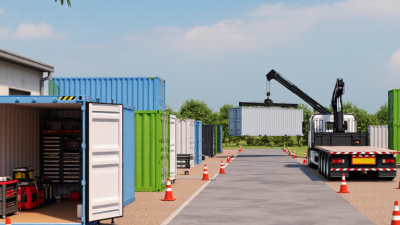
For shipping, check the container’s external and internal dimensions, payload, door opening, and condition. Ask for clear photos of the floor, corner castings, and door seals. Confirm that markings and documents meet the carrier’s requirements for your route. For a site office or workshop, compare insulation, ventilation, wiring, and local installation needs. A modified unit may need extra checks before it can be placed or connected. Small details matter.

Compare quotes on the same specifications, not just the headline price. Request a written list of included fittings, materials, inspection steps, and delivery terms. Confirm who handles unloading and what equipment the site needs. A low-cost option can become expensive if a crane, repair, or extra insulation was overlooked. I have seen planning focus heavily on the container itself while access roads received little attention. That is easy to miss. Recheck the route, turning space, and ground firmness before placing an order.

Plug & Play Installation

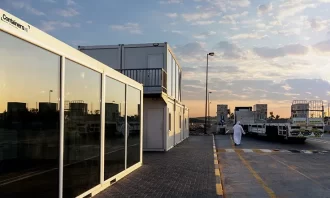
Our installation services are top-notch, delivering modular systems for any application on time in plug & play condition. We leave nothing for you to figure out, set up, or fix. All you’ve to do is just step in, and get going with your business.

Dismantling & Reassembling

We hold a long-term view when we build modular rooms taking into consideration your changing needs. Whether it’s shifting your workspace to a new site, redesigning your unit to fit new requirements, or simply clearing the area at the end of the project, our Dismantling & Reassembling teams are pressed into service to get the job done in the quickest possible time and minimum resource wastage.

Interior Designing

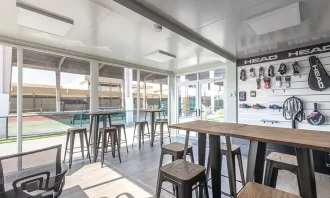
Our interior designs combine both functional and aesthetic aspects to provide you with physical and emotional comfort. We ask you for your preferences and give the best possible solutions aligned to your tastes. Our units are built to be modern, stylish, and elegant.

Bespoke Solutions

We understand that every project is unique and therefore has a different set of requirements. That’s why we believe in customizing our solutions to fit individual needs. We are equipped with the right talents, technology, and skillset to offer bespoke modular units, without compromising on turnaround time or quality.

Aftersales Service

The benefits of choosing Containers ME continues long after the installation of the units as we provide aftersales service for as long as you need. All you have to do is sign the Annual Maintenance Contract (AMC) and enjoy technical support for all the maintenance-related issues. By signing the contract, you can rest assured that a highly professional team of dedicated staff are at your service all year round to attend to your needs.

Customized Container Solutions

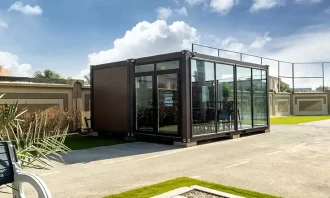
We specialize in Customized Container Solutions designed to meet diverse needs across the UAE. Our offerings include customized modular containers that cater to various applications, from tailor-made container solutions to bespoke container designs.

Whether you’re looking for personalized container homes or custom modular containers, we have you covered. Our customized container offices provide functional workspaces, while our customized portable containers ensure flexibility on-site. Explore our range of custom container storage units and customized cargo containers to optimize your space.

We also offer custom container leasing and custom container fabrication services, along with customized sea containers designed for secure transport. For specialized needs, our specialized container modifications will help you create the perfect solution for your requirements in both Dubai and the broader UAE.

Get a quote

Get a quote