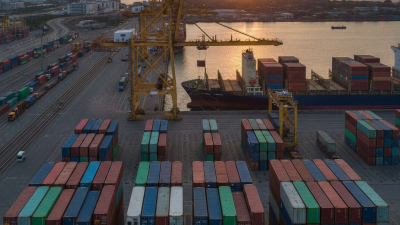
When considering how to buy cargo containers for global shipping needs, it's vital to grasp the essential aspects of the market. Cargo containers serve as the backbone of the international shipping industry. They are used to transport goods efficiently across oceans and continents. Understanding where to purchase these containers can make a significant difference in operational success.
Exploring various suppliers is an important step. Each supplier may have different quality levels and pricing structures. It's recommended to research their reputation and customer feedback. Comparing multiple options is key to making a well-informed decision. Often, images and descriptions may not fully capture a container's condition. Inspecting containers physically, when possible, is advisable.
It's essential to remember that buying cargo containers isn’t just a transaction; it's an investment. Misjudging the ideal container type may lead to financial loss. There are also legal considerations, depending on your location. Compliance with local regulations is crucial. When navigating this process, it's important to take your time and reflect on your specific shipping requirements.
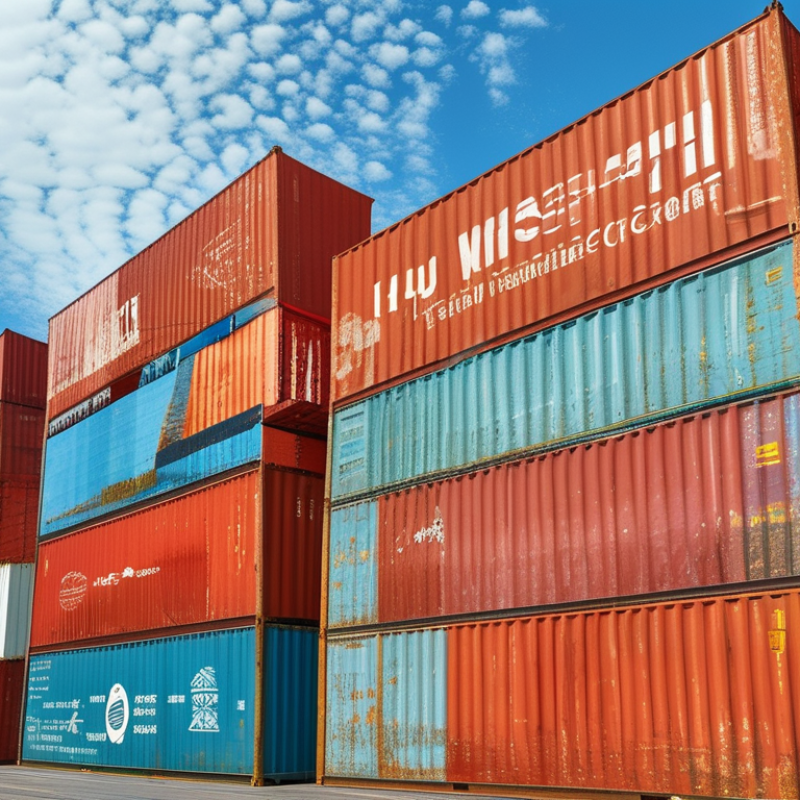
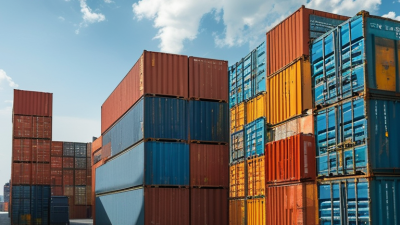
When exploring how to buy cargo containers, understanding the types available is crucial. There are several key types that suit various shipping needs. Standard dry containers are the most common. They come in 20-foot and 40-foot sizes. These containers hold a cargo capacity of approximately 33 cubic meters for the 20-foot version and about 67 cubic meters for the 40-foot model.
Reefer containers are another essential category. These are temperature-controlled and ideal for transporting perishable goods. The global reefer container market is expected to reach 2.3 million units by 2024, according to industry reports. Having temperature control can make or break the shipping of sensitive products like food or pharmaceuticals.
Open-top containers cater to oversized cargo. They allow for loading from the top, accommodating large machinery or heavy equipment. While beneficial, they often require additional tarps and securing measures. Each container type serves a distinct purpose, but choosing the right one can be complex. Consider the specific requirements of your cargo, shipping method, and destination to make an informed decision. Making mistakes in selecting the wrong type can lead to costly delays or damage.
When evaluating your shipping needs, it is crucial to define your cargo specifications. Consider the type of goods you will transport. Different items require different container types. For instance, perishable goods need climate-controlled containers. Fragile items may require added cushioning. Understand your requirements clearly to avoid costly mistakes.
Next, assess the size and capacity of the cargo containers. Standard options include 20-foot and 40-foot containers. Choose based on the volume of goods you plan to ship. Overestimating can lead to wasted space and increased costs. Underestimating may result in extra trips, which can be inefficient.
Don’t forget to check container conditions. Inspecting for rust, leaks, or structural damage is vital. A damaged container can compromise your cargo. Establishing relationships with reputable suppliers can help ensure quality. Gathering feedback from other buyers can also lead to informed decisions. Make sure to weigh all options carefully before committing.
When exploring where to buy cargo containers, it is essential to identify trusted suppliers and reputable marketplaces. Many shipping companies offer new and used containers. Local dealers might provide personal service that larger companies cannot. Online platforms also list numerous suppliers. They can offer competitive pricing and a wide selection.
Tips: Always verify the container's condition before purchasing. Look for rust, dents, or water damage. Ask for photos and detailed descriptions. This can save you from expensive mistakes.
Consider attending local auctions or trade shows. These events often feature cargo containers and provide a chance to negotiate pricing directly. Engaging with different sellers can help you understand the market better. Researching customer reviews is crucial too. A reliable supplier will have a history of satisfied customers.
Tips: Be prepared for unexpected issues. Inspecting containers in person is ideal. If that’s not possible, request a third-party inspection. This due diligence can ensure you invest wisely in your shipping needs.
When purchasing cargo containers, several factors impact their costs. Key elements include size, condition, and location. Standard sizes like 20-foot and 40-foot containers are widely available. Data from industry reports indicates that pricing can vary by region, with prices often influenced by port proximity and demand fluctuations. New containers can range from $3,000 to $6,000, while used containers might cost as little as $1,500.
Budgeting for your purchase is crucial. Establish a clear budget before visiting suppliers. Consider additional costs such as transportation and storage. Shipping expenses have risen, with costs increasing nearly 10% on average in recent years. This trend can affect your total purchase cost significantly.
Tips: Always inspect containers personally, if possible. Look for structural integrity and potential repair costs. Negotiate with suppliers to get the best deal based on current market conditions. Lastly, research local shipping rates to avoid unforeseen expenses.
| Container Type | Size (ft) | Average Cost ($) | Condition | Estimated Lifespan (Years) |
|---|---|---|---|---|
| Standard Dry Container | 20 | $1,500 | Used | 10 |
| Standard Dry Container | 40 | $3,000 | Used | 10 |
| Reefer Container | 20 | $3,500 | Used | 8 |
| Reefer Container | 40 | $5,500 | Used | 8 |
| High Cube Container | 40 | $3,200 | New | 15 |
When purchasing cargo containers, understanding legal considerations is crucial. Each country has its regulations governing container ownership. Research local laws to ensure compliance before making a purchase. Import and export regulations can differ significantly. It’s wise to consult with legal experts to navigate these complexities.
Documentation plays a vital role in buying cargo containers. Proper paperwork ensures a smooth transaction. Essential documents include the bill of sale, proof of ownership, and inspection certificates. These documents verify the container’s condition and authenticity. It’s essential to keep copies for your records. Some buyers overlook this step, leading to future disputes.
Make sure to verify the seller's credentials. Legitimate sellers should provide all necessary documentation. Ask for references if you have doubts. The reputation of the seller can influence your purchase experience. Being unaware of red flags can result in issues later. Therefore, remain diligent throughout the buying process.
Subscribe to our newsletter for the latest news and exclusive offers.
We hold a long-term view when we build modular rooms taking into consideration your changing needs. Whether it’s shifting your workspace to a new site, redesigning your unit to fit new requirements, or simply clearing the area at the end of the project, our Dismantling & Reassembling teams are pressed into service to get the job done in the quickest possible time and minimum resource wastage.
We understand that every project is unique and therefore has a different set of requirements. That’s why we believe in customizing our solutions to fit individual needs. We are equipped with the right talents, technology, and skillset to offer bespoke modular units, without compromising on turnaround time or quality.
The benefits of choosing Containers ME continues long after the installation of the units as we provide aftersales service for as long as you need. All you have to do is sign the Annual Maintenance Contract (AMC) and enjoy technical support for all the maintenance-related issues. By signing the contract, you can rest assured that a highly professional team of dedicated staff are at your service all year round to attend to your needs.
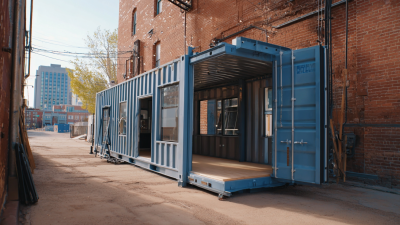
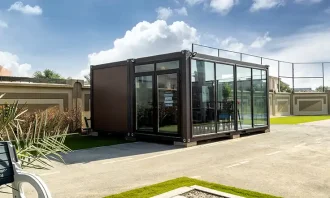
We specialize in Customized Container Solutions designed to meet diverse needs across the UAE. Our offerings include customized modular containers that cater to various applications, from tailor-made container solutions to bespoke container designs.
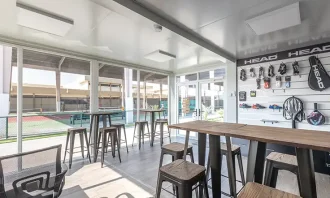
Whether you’re looking for personalized container homes or custom modular containers, we have you covered. Our customized container offices provide functional workspaces, while our customized portable containers ensure flexibility on-site. Explore our range of custom container storage units and customized cargo containers to optimize your space.
We also offer custom container leasing and custom container fabrication services, along with customized sea containers designed for secure transport. For specialized needs, our specialized container modifications will help you create the perfect solution for your requirements in both Dubai and the broader UAE.