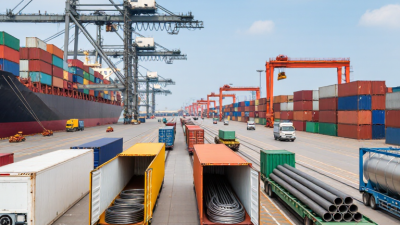
Choosing cargo containers for global shipping in 2026 requires more than comparing prices. The right container must match the cargo, route, climate, handling equipment, and delivery schedule. A steel box may look suitable at a factory gate, yet fail after weeks of salt air, temperature changes, and repeated crane lifts.
Marc Levinson, a shipping historian and author of The Box, observed, “The container made shipping cheap enough to allow international trade to flourish.” His insight still matters. Standardization improves efficiency, but it does not remove practical risks. Container selection remains a hands-on decision.
Dry containers suit most packaged goods, while refrigerated units protect products requiring controlled temperatures. Open-top designs can support tall machinery, and flat racks may accommodate oversized industrial equipment. However, these options often require stricter loading plans and specialized handling. Small errors become expensive quickly.
In 2026, shippers should examine container condition, internal dimensions, payload limits, ventilation, flooring, and inspection records. Route-specific exposure also matters. A northern rail journey differs greatly from a humid sea crossing. Digital tracking can improve visibility, but data is not always perfect. That deserves attention.
My own working rule is simple: choose for the cargo’s weakest point. Protect moisture-sensitive goods first. Check door seals carefully. Confirm compatibility with ports and inland carriers. Sustainable materials and low-emission logistics also deserve consideration, but durability should not be sacrificed for attractive claims. Reliable cargo containers are not merely available boxes. They are part of a measurable risk-control system. And sometimes, the cheapest option is the one that needs questioning.

Container selection begins with the cargo, not the quotation. Record length, width, height, weight, center of gravity, and loading method. A 20-foot container may suit dense machinery, while a 40-foot unit offers more cubic capacity for cartons. Measure every pallet. A small mistake can create costly rehandling.
UNCTAD’s Review of Maritime Transport 2024 reported that seaborne trade grew by 2.4% in 2023, reaching about 12.3 billion tons. Growing flows also increase pressure on ports and inland connections. Check the complete route, including transshipment ports, rail links, border crossings, and seasonal weather risks. The World Bank’s Logistics Performance Index 2023 assessed 139 economies and highlighted continuing delays at ports, airports, and border points. Therefore, a route with fewer transfers may outperform a cheaper route.
Regulatory conditions must be verified before booking. Confirm container payload limits, verified gross mass procedures, customs documents, cargo securing rules, and destination inspection requirements. Use current information from customs authorities, port operators, and recognized maritime regulations. Requirements can change during a shipment. I have seen planning fail because teams trusted an old route guide. That assumption is dangerous. Ask the carrier or freight specialist for written confirmation, then compare it with the cargo’s technical data. A dry container is not automatically suitable. Temperature sensitivity, moisture, ventilation, and loading access may require a different specification. Document each decision. It makes later disputes easier to investigate.
How to Choose Cargo Containers for Global Shipping in 2026?
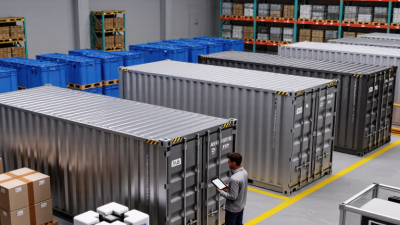
Choosing a container starts with the cargo, route, and handling conditions. Standard dry containers suit boxed goods, machinery, and palletized freight. A 20-foot unit works well for dense cargo. A 40-foot unit offers more volume for lighter loads. High-cube versions add vertical space, but they may face limits at some terminals.
Material selection also affects performance. Corrosion-resistant steel provides strength during repeated lifting and ocean exposure. Aluminum can reduce weight, though it may need careful inspection after impacts. Check the floor, roof, door seals, corner posts, and locking bars before loading. A small roof leak can damage cartons within hours. I once trusted a clean-looking container without checking its floor. That was a poor assumption.
Specialized cargo needs specialized features. Refrigerated containers require stable temperature control, airflow space, and verified sensor readings. Open-top containers help with tall machinery and overhead loading. Flat racks handle unusually wide or heavy equipment, but securing points must match the cargo plan. Ventilated containers can support goods sensitive to trapped moisture. Anti-slip flooring, moisture absorbers, and internal bracing may prevent avoidable damage. Digital tracking can show location and temperature, yet it cannot replace a physical inspection. Container availability, port equipment, inland road limits, and local handling rules should also shape the decision. The cheapest option can become expensive after one failed transfer.
How to Choose Cargo Containers for Global Shipping in 2026?
Safety begins with the container’s physical evidence, not its paint. Check corner posts, locking rods, roof panels, floorboards, and door seals. Small bends can become serious failures during lifting or heavy weather. The World Shipping Council reported 576 containers lost at sea in 2023, including confirmed and estimated losses. A sound inspection reduces, but never removes, operational risk.
Confirm the container carries a valid CSC safety approval plate. Review its examination date, repair history, and maximum gross mass. For refrigerated units, request recent temperature-test records and inspect the power connection. Certification alone is not enough. I would photograph rust around welds and record unusual odors, even when the unit appears acceptable. That extra step may feel excessive, but inspection quality can vary between depots. UNCTAD’s Review of Maritime Transport states that maritime shipping carries over 80% of global merchandise trade by volume, so minor equipment weaknesses can affect long supply chains.
Tips: Choose the smallest suitable container, avoid unnecessary empty space, and compare verified emissions data. Ask whether the unit supports efficient loading and fewer repositioning moves. The IMO’s 2023 greenhouse-gas strategy targets net-zero emissions from international shipping around 2050. However, container selection is only one part of that result. Consider route distance, energy use, repairability, and reuse potential. Environmental claims without measured data deserve caution. Reliability is built through records, not confident wording.
Evaluate safety, condition, certification, and environmental performance before booking equipment.
Check door locks, corner posts, floor strength, roof condition, visible deformation, and water-tightness before loading.
Reject units with severe corrosion, damaged flooring, holes, contamination, or defects that could affect cargo integrity.
Confirm a valid CSC safety approval plate, maximum gross mass, inspection status, and any required special-cargo approvals.
Dry containers generally require less operational energy than refrigerated units; avoid unnecessary reefer use and verify refrigerant controls.
The chart uses representative ISO container configurations. Maximum gross mass is shown at 30.48 tonnes for the illustrated equipment classes; actual tare and payload values vary by construction and must be verified on the container’s CSC plate and equipment specification.
Choosing cargo containers in 2026 requires more than comparing daily hire rates. Start with the cargo’s dimensions, weight, moisture sensitivity, and loading method. A standard dry container may suit boxed machinery, while chilled goods need verified temperature performance. I record internal measurements and door clearance before booking. One missed centimeter can force repacking at the terminal. That happened once. It was expensive.
Calculate the total cost, not just the rental charge. Include inland transport, terminal handling, cleaning, inspections, storage, detention, demurrage, currency changes, and seasonal surcharges. Ask for written availability by route, date, and equipment condition. “Available” may mean nearby, not ready for collection. Check whether the container has valid inspection records and suitable flooring. A low quote can become costly after delays.
Insurance should reflect the cargo’s replacement value, transport route, and handling risks. Confirm coverage for water damage, theft, temperature failure, and general average. Container-owner liability is different from cargo insurance. Photograph the container, doors, floor, and seal before departure. Record every defect. Operational planning also matters. Review transshipment points, power requirements, weather exposure, and backup equipment. I leave extra time for port disruption, although the margin is often too small. Forecasts remain uncertain, and my earlier schedules were sometimes too optimistic.
Choosing a cargo container in 2026 begins with the cargo, route, and handling conditions. Match internal dimensions, payload limits, ventilation, and temperature needs to the shipment. A container that looks economical may waste space or create loading risks. Measure pallets, leave clearance for doors, and check weight distribution before requesting a quote. For sensitive cargo, record the required temperature range and permitted exposure time. Keep it practical.
Inspect the unit before loading, even when booking information looks complete. Check the floor, roof, doors, locking bars, seals, odor, and visible corrosion. Photograph each side, the identification number, and any damage under good light. Confirm the inspection date and equipment type with the appointed depot or carrier. I would not rely on a single checklist. Rushed inspections can miss a bent door or wet floor. Small defects become expensive delays.
When booking, provide accurate cargo details, dimensions, gross weight, pickup window, destination, and handling instructions. Ask how cut-off times, transshipment, and equipment shortages could affect the plan. After release, track status changes, gate events, and estimated arrival through official shipment records. Set alerts for delays, but verify unusual updates with the responsible shipping contact. Tracking is helpful, not perfect. Keep copies of photos, booking data, and seal records. Compare them at each handover. This creates evidence when details do not match.
Subscribe to our newsletter for the latest news and exclusive offers.
We hold a long-term view when we build modular rooms taking into consideration your changing needs. Whether it’s shifting your workspace to a new site, redesigning your unit to fit new requirements, or simply clearing the area at the end of the project, our Dismantling & Reassembling teams are pressed into service to get the job done in the quickest possible time and minimum resource wastage.
We understand that every project is unique and therefore has a different set of requirements. That’s why we believe in customizing our solutions to fit individual needs. We are equipped with the right talents, technology, and skillset to offer bespoke modular units, without compromising on turnaround time or quality.
The benefits of choosing Containers ME continues long after the installation of the units as we provide aftersales service for as long as you need. All you have to do is sign the Annual Maintenance Contract (AMC) and enjoy technical support for all the maintenance-related issues. By signing the contract, you can rest assured that a highly professional team of dedicated staff are at your service all year round to attend to your needs.
We specialize in Customized Container Solutions designed to meet diverse needs across the UAE. Our offerings include customized modular containers that cater to various applications, from tailor-made container solutions to bespoke container designs.
Whether you’re looking for personalized container homes or custom modular containers, we have you covered. Our customized container offices provide functional workspaces, while our customized portable containers ensure flexibility on-site. Explore our range of custom container storage units and customized cargo containers to optimize your space.
We also offer custom container leasing and custom container fabrication services, along with customized sea containers designed for secure transport. For specialized needs, our specialized container modifications will help you create the perfect solution for your requirements in both Dubai and the broader UAE.