Blogs

How to Choose the Right Container Leasing Company?

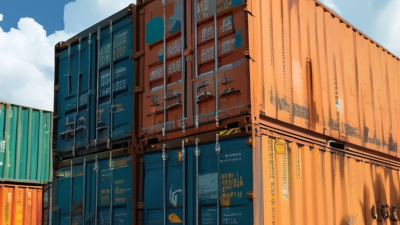
Choosing the right container leasing company can influence your costs, delivery schedules, and cargo protection. The decision may seem simple, until hidden fees or delayed repairs disrupt operations. A dependable provider should offer clear contracts, suitable equipment, and responsive support.

Look beyond the advertised daily rate. Examine container age, inspection records, depot locations, and repair procedures. A practical review should include the exact units available for your routes. Check door seals, flooring, corner posts, and visible corrosion before signing. Small defects can become expensive problems.

Ask how the company handles damaged equipment and late returns. Request written details about cleaning charges, insurance responsibilities, deposits, and exchange conditions. Experienced logistics teams know that flexible terms can matter more than a slightly cheaper price. Still, experience does not guarantee perfection. No provider is flawless.

This guide explains how to evaluate container leasing companies with greater confidence. It focuses on service quality, fleet reliability, pricing transparency, and operational experience. You will also learn which questions deserve direct answers before committing to a lease. Compare several providers, verify their references, and test their communication speed. A company that answers quickly during sales should also support you after delivery. That assumption needs checking.

The strongest choice is not always the largest company. It is the provider that matches your routes, cargo requirements, and risk tolerance. Careful comparison creates a more reliable container leasing decision. Look for evidence, not promises.
How to Choose the Right Container Leasing Company?

Define Your Container Leasing Needs

Before choosing a container leasing company, define the job in operational terms. Record your cargo type, monthly volume, trade lanes, lease duration, and required equipment. A food-grade shipment may need clean, odor-free dry containers, while machinery may require open-top or flat-rack units. Measure peak demand, not only average demand. A shortage during harvest season can cost more than a slightly higher lease rate.

Industry data supports careful planning. UNCTAD’s Review of Maritime Transport 2024 reported approximately 28.5 million TEU of container ship capacity in early 2024, an increase of about 8.8% year on year. More capacity does not guarantee equipment availability at your preferred depot. Drewry’s Container Census 2024 also indicates that leased equipment represents roughly half of the global container fleet. This makes lease terms, interchange locations, and return conditions commercially important.

Ask for a written cost model. Include daily rent, delivery, pickup, depot handling, cleaning, damage assessments, and repositioning charges. Specify acceptable container age and inspection standards. Check whether the agreement supports flexible extensions or early returns. Keep records of photographs, seal numbers, and inspection notes at handover. Small details matter. I once underestimated empty repositioning costs because the nearest depot was not on the planned route. That assumption looked efficient on paper, but it was not. Availability data should be checked against your actual lanes, seasonality, and warehouse schedule before signing.

Compare Container Types, Conditions, and Available Sizes

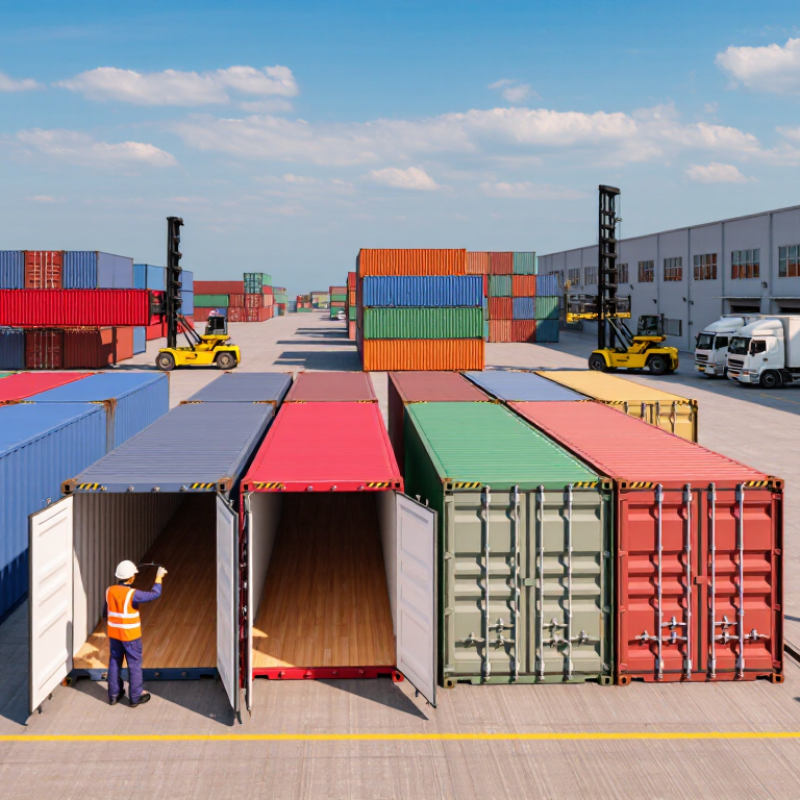
Choosing a container leasing company starts with the box itself, not the quoted monthly rate. A dry van suits cartons, furniture, and general cargo needing weather protection. Refrigerated units require temperature controls, power checks, and clear maintenance records. Open-top containers help with tall machinery, while flat racks support oversized loads. The wrong type can create handling delays. Small differences matter.

Before signing, request recent inspection photos and a written condition report. Check door seals, floorboards, corner castings, vents, locking bars, and visible corrosion. A clean interior is not enough. Ask whether the unit is wind-and-watertight, cargo-worthy, or intended only for storage. Those terms should match your use and transport needs. Measure internal length, width, height, and door opening. External dimensions may hide lost capacity. A 20-foot unit fits tighter yards, while a 40-foot unit offers more volume. High-cube models add height for bulky, lightweight cargo.

Ask about inventory availability, repairs, replacement procedures, damage rules, delivery timing, and return conditions. My first comparison was too narrow; I focused on size and missed delivery access. That mistake cost time. Compare total cost, including transport, cleaning, deposits, inspections, and repositioning fees. Good providers explain limitations clearly. Availability can change quickly. Verify it.

How to Choose the Right Container Leasing Company? - Compare Container Types, Conditions, and Available Sizes

Container Type Common Nominal Sizes Typical Internal Capacity Typical Payload Range Suitable Cargo Condition Checks Key Leasing Considerations
Dry Van 20 ft, 40 ft, 40 ft High Cube Approximately 33 m³ for 20 ft; 67–68 m³ for 40 ft; 76 m³ for 40 ft High Cube Usually about 26,000–28,500 kg, depending on the unit and road regulations General cargo, packaged goods, machinery, furniture, and non-temperature-sensitive products Check floor strength, door seals, locking bars, roof condition, corrosion, holes, odor, and valid cargo-worthy documentation Confirm whether the lease includes delivery, pickup, repositioning, damage liability, and cleaning charges
Refrigerated Container 20 ft Reefer, 40 ft High Cube Reefer Approximately 28–29 m³ for 20 ft; 67–68 m³ for 40 ft High Cube Usually about 27,000–29,000 kg, subject to refrigeration equipment and local limits Frozen foods, chilled foods, pharmaceuticals, flowers, and other temperature-sensitive cargo Test temperature range, controller, alarm system, power cable, evaporator, condenser, door gasket, drain, and recent service records Clarify electricity costs, fuel or generator requirements, monitoring responsibility, temperature data access, and emergency support
Open Top 20 ft, 40 ft Approximately 31–32 m³ for 20 ft; 65–66 m³ for 40 ft Often about 26,000–28,000 kg, depending on tare weight and specifications Over-height machinery, logs, scrap metal, stone, and cargo loaded by crane Inspect removable roof bows, tarpaulin, lashing points, floor, doors, corner posts, and roof-cover watertightness Verify maximum cargo height, securing requirements, payload limits, and whether the roof is included in the rental rate
Flat Rack 20 ft, 40 ft; fixed-end or collapsible-end versions No enclosed cubic capacity; usable platform length is commonly about 5.6 m for 20 ft and 11.7 m for 40 ft Frequently about 25,000–40,000 kg, depending on design and certification Heavy machinery, steel products, vehicles, construction equipment, and out-of-gauge cargo Check lashing rings, deck condition, corner posts, end walls, twist-lock points, structural damage, and certification status Confirm out-of-gauge handling, route restrictions, lifting arrangements, securing plans, and special transport surcharges
ISO Tank Container Commonly 20 ft; tank capacities often range from 14,000 to 26,000 litres Tank capacity depends on the product, design pressure, and regulatory specification Commonly about 20,000–30,000 kg including the tank tare weight Liquids, gases, powders, food-grade products, and hazardous substances approved for the tank Verify pressure-test date, inspection certificates, valves, manlid, gaskets, grounding, cleanliness, and product compatibility Check dangerous-goods compliance, cleaning certificates, heating or insulation requirements, and permitted cargo classifications
Platform Container 20 ft, 40 ft Open platform with no side walls or end walls Often about 25,000–40,000 kg, subject to the platform design and load distribution Very heavy, wide, long, or irregularly shaped project cargo Inspect deck, frame, corner castings, lashing points, load-bearing areas, and structural certification Confirm engineering approval, lifting method, cargo securing plan, route clearance, and project-cargo handling fees
Condition guide: New or one-trip units generally have minimal wear; cargo-worthy units meet applicable transport requirements; wind-and-watertight units protect against normal rain but may not meet all shipping-line standards; as-is units should be leased only after a detailed inspection and written acceptance of defects.
Important: Actual dimensions, payload, capacity, permitted cargo, inspection intervals, and leasing charges vary by container specification, local regulations, transport mode, and contract terms. Always confirm the equipment plate, inspection records, and written lease conditions before signing.

Evaluate Lease Terms, Pricing, and Additional Fees

A container lease should be read like an operating contract, not a simple monthly price. Check the lease period, return location, damage standards, and notice requirements. A low daily rate may become expensive when repositioning, cleaning, inspection, or early-return charges appear. The Container xChange Container Leasing Market Report indicates that lessors control more than half of the global container fleet. That scale improves availability, but it does not guarantee flexible terms.

Ask for a complete cost sheet. Separate the base rental from maintenance, repair estimates, depot handling, documentation, insurance, and taxes. Confirm whether rates change during peak seasons or after the initial term. UNCTAD’s Review of Maritime Transport shows how vessel and container markets remain sensitive to trade disruptions and capacity changes. Pricing can move quickly. Get the adjustment formula in writing.

Small details matter. A five-day free period sounds useful, but only if the clock starts after depot release. Also, check who pays when a unit needs repairs after return. This is where many comparisons become misleading. A spreadsheet can still lie. Leave room for uncertainty, and test the quote against two realistic routes, including one delayed return. Good leasing decisions come from visible assumptions, not attractive headline rates.

Verify Company Reliability, Services, and Geographic Coverage

Choosing the right container leasing company requires more than comparing daily rates. Reliability should be verified through recent customer references, transparent contracts, and consistent equipment records. Ask how the company handles damaged units, late returns, and unexpected repair requests. A dependable provider gives clear answers before signing.

Inspect service details carefully. Confirm container conditions, inspection standards, delivery procedures, and support hours. Ask whether emergency replacements are available in your operating area. Documentation matters. Check insurance requirements, maintenance responsibilities, cleaning charges, and termination terms. Small clauses can create large costs. I once overlooked a return-window detail, and the schedule became unnecessarily tight.

Tips: Request photos or inspection reports before delivery. Test the communication process with a few practical questions. Verify depot locations, delivery zones, and local transport partners. Geographic coverage should match your actual route, not just a broad map. A provider may advertise wide coverage but lack equipment near your destination. Confirm availability at both ends, especially during seasonal demand. Ask for realistic delivery timelines, not optimistic estimates. Keep written records of every promise. Vague answers deserve another review.

Review the Agreement Before Choosing a Leasing Partner

A container lease agreement deserves more attention than the monthly rate. In practice, small clauses can create large costs. Check the permitted container types, inspection standards, delivery locations, and return conditions. The agreement should state who pays for damage, cleaning, repairs, and storage delays. Ambiguous wording is a warning sign.

UNCTAD’s Review of Maritime Transport 2024 reported that containerized trade was expected to grow by about 3.5% in 2024. Demand can shift quickly. Therefore, review renewal dates, notice periods, and early-return charges before signing. A flexible redelivery clause may protect cash flow during weaker seasons. Ask for a complete fee schedule, including administration, repositioning, survey, and loss-of-use charges. Get it in writing.

Also compare liability limits and insurance duties. A reputable lessor should explain the claims process, inspection evidence, and dispute procedure clearly. Industry leasing guidance commonly recommends documenting container condition with dated photographs at handover and return. This is practical, not glamorous. It can prevent arguments. Still, photographs alone may not prove every defect. I once overlooked a vague “acceptable condition” clause; it sounded harmless, but it invited different interpretations. Have an experienced shipping lawyer review unusual language, especially governing law and arbitration terms. UNCTAD’s data shows a large, interconnected container market, but market scale does not make every agreement reliable. Read every schedule. Ask harder questions.

Plug & Play Installation

Our installation services are top-notch, delivering modular systems for any application on time in plug & play condition. We leave nothing for you to figure out, set up, or fix. All you’ve to do is just step in, and get going with your business.

Dismantling & Reassembling

We hold a long-term view when we build modular rooms taking into consideration your changing needs. Whether it’s shifting your workspace to a new site, redesigning your unit to fit new requirements, or simply clearing the area at the end of the project, our Dismantling & Reassembling teams are pressed into service to get the job done in the quickest possible time and minimum resource wastage.

Interior Designing

Our interior designs combine both functional and aesthetic aspects to provide you with physical and emotional comfort. We ask you for your preferences and give the best possible solutions aligned to your tastes. Our units are built to be modern, stylish, and elegant.

Bespoke Solutions

We understand that every project is unique and therefore has a different set of requirements. That’s why we believe in customizing our solutions to fit individual needs. We are equipped with the right talents, technology, and skillset to offer bespoke modular units, without compromising on turnaround time or quality.

Aftersales Service

The benefits of choosing Containers ME continues long after the installation of the units as we provide aftersales service for as long as you need. All you have to do is sign the Annual Maintenance Contract (AMC) and enjoy technical support for all the maintenance-related issues. By signing the contract, you can rest assured that a highly professional team of dedicated staff are at your service all year round to attend to your needs.

Customized Container Solutions

We specialize in Customized Container Solutions designed to meet diverse needs across the UAE. Our offerings include customized modular containers that cater to various applications, from tailor-made container solutions to bespoke container designs.

Whether you’re looking for personalized container homes or custom modular containers, we have you covered. Our customized container offices provide functional workspaces, while our customized portable containers ensure flexibility on-site. Explore our range of custom container storage units and customized cargo containers to optimize your space.

We also offer custom container leasing and custom container fabrication services, along with customized sea containers designed for secure transport. For specialized needs, our specialized container modifications will help you create the perfect solution for your requirements in both Dubai and the broader UAE.

Get a quote

Get a quote