Blogs

How to Buy Second Hand Containers in 2026

Buying second hand containers in 2026 is not just a search for the lowest price. It is a condition check, a paperwork review, and a test of whether the unit suits its next job. A container that looks sound in a listing may show rust beneath its floor, a stiff door seal, or dents hidden in wide-angle photos. Small details matter. For this introduction, “Jordan Lee” is an illustrative container-inspection expert, not a real-world source. The following is an original editorial line, not a published quotation: “Buy the condition you can verify, not the price you hope is real.”

A careful purchase starts with a clear purpose. Will the container store tools, protect stock, or travel between sites? That answer helps set the right grade, size, and inspection standard. Ask for recent photos of the roof, floor, corner posts, doors, and interior. Request the container’s identification number and a written condition report. If possible, inspect it in person or arrange an independent check before payment. A clean coat of paint can hide wear. It happens.

This guide explains how to compare suppliers, assess visible damage, confirm delivery details, and judge whether a quoted price makes sense. It also flags a common blind spot: buyers may focus on the box and overlook transport access, unloading equipment, or the ground beneath the proposed location. No checklist removes every risk. Still, patient questions and verifiable records can make buying second hand containers a more informed decision.
How to Buy Second Hand Containers in 2026

Define Your Container Size, Type, and Intended Use

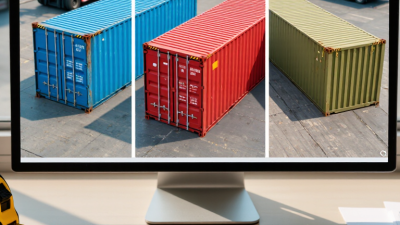
Before comparing used containers, define what must fit inside and where the unit will sit. Measure the longest item, doorway, and available ground space; allow room to load and unload. Common options include 20-foot and 40-foot units, while high-cube models provide extra height. Exact dimensions can vary. Check the seller’s measurements against your site, not just the size label. Measure twice.

Choose the container type around its job. A standard dry unit often works for boxed goods, tools, or general storage. Bulky equipment may need extra height or wider access, while temperature-sensitive goods call for a refrigerated unit. Ask about its power needs and cooling-system condition. Avoid paying for features you will not use. Plans change, though, so leave a little flexibility if your needs are uncertain.

Intended use also guides inspection. For storage, check the door seals, floor, roof, and locking points; daylight through a closed door can reveal gaps. Look for deep corrosion, soft flooring, standing water, and strong odors. Ask for clear photos and repair records, then inspect the unit in person when possible. A clean exterior can hide worn floors, and a low price may not cover repairs or delivery. Note where the container will be placed and how delivery equipment can reach that spot.

How to Buy Second Hand Containers in 2026 - Define Your Container Size, Type, and Intended Use
Container Size and Type Approx. External Dimensions (L × W × H) Approx. Internal Dimensions (L × W × H) Approx. Capacity Common Intended Uses Key Checks When Buying Used
20 ft Standard Dry 6.06 × 2.44 × 2.59 m 5.90 × 2.35 × 2.39 m About 33 m³ General storage, household goods, tools, and smaller loads. Inspect the floor for rot or chemical contamination; check doors, seals, corner castings, and the roof for leaks.
40 ft Standard Dry 12.19 × 2.44 × 2.59 m 12.03 × 2.35 × 2.39 m About 67 m³ Bulk storage, long items, and larger shipments that do not need extra height. Confirm the unit fits the site and delivery route; check frame alignment, flooring, door operation, and water ingress.
40 ft High Cube Dry 12.19 × 2.44 × 2.90 m 12.03 × 2.35 × 2.69 m About 76 m³ Bulky or tall cargo, high-volume storage, and conversion projects needing extra headroom. Measure the available height at the placement site and inspect the taller side panels and roof for dents or repairs.
20 ft Open Top 6.06 × 2.44 × 2.59 m About 5.90 × 2.35 m; usable height varies About 32 m³, depending on configuration Top-loaded machinery, equipment, and cargo that is awkward to load through end doors. Check the removable roof bows, cover or tarpaulin, securing points, and evidence of water damage.
20 ft Refrigerated About 6.06 × 2.44 × 2.59 m About 5.45 × 2.29 × 2.26 m About 28 m³ Temperature-controlled goods, chilled storage, or applications requiring an insulated enclosure. Ask for a refrigeration-unit service history and operating test; inspect insulation, floor channels, seals, and power requirements.
40 ft High Cube Refrigerated About 12.19 × 2.44 × 2.90 m About 11.58 × 2.29 × 2.55 m About 67 m³ Higher-volume temperature-controlled storage and refrigerated cargo. Verify the required temperature range, unit condition, airflow path, electrical supply, and current refrigeration service records.
20 ft Flat Rack About 6.06 × 2.44 m footprint Open sides; dimensions depend on end-wall configuration Not measured as enclosed volume Heavy or oversized cargo such as machinery, vehicles, and long equipment. Check the payload plate, deck condition, lashing points, end walls, and structural integrity. Confirm cargo dimensions before purchase.
40 ft Flat Rack About 12.19 × 2.44 m footprint Open sides; dimensions depend on end-wall configuration Not measured as enclosed volume Long or oversized loads that cannot be accommodated in an enclosed container. Confirm the load and transport plan with the carrier; inspect the deck, lashing points, corner castings, and any folding mechanisms.

Measurement note: Dimensions and capacities are typical estimates. Actual usable space, payload, door opening, and condition vary by manufacturer, model, age, repairs, and equipment. Check the unit’s data plate and measure the specific container before purchase.
Compare Used Container Grades and Condition

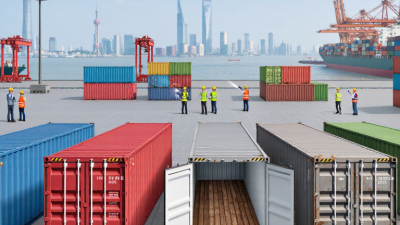
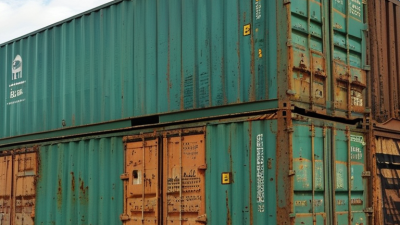
When comparing used container grades, treat the label as a starting point, not a guarantee. Cargo-worthy units are generally suitable for shipping when their condition and required certification are verified. Wind- and watertight units should keep rain out, but may not qualify for transport. “As-is” usually means repairs are expected. Grading terms can vary between sellers. Ask for the inspection checklist and dated photos.

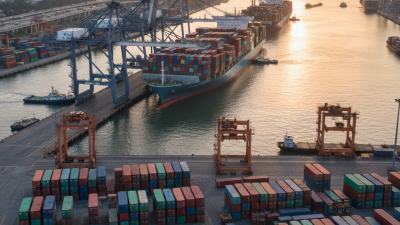
UNCTAD’s Review of Maritime Transport 2024 reports 858.2 million TEU in global container port throughput for 2023. That scale makes careful inspection worthwhile: a small leak can damage stored goods, while a warped door can be costly to fix. Check corner posts for dents, floors for soft or oil-stained patches, and door seals for gaps. Look underneath, too. Surface rust is common; deep corrosion around structural joints deserves closer review. IICL inspection guidance offers a useful technical reference, but it cannot replace checking the specific unit in person.

Tips: Ask for the container’s age, repair history, and CSC plate details if shipping use matters. Open and close both doors; photograph the interior with the doors shut to reveal daylight. A seller’s grade may be imperfect. Get defects and promised repairs in writing before paying.

Inspect the Container and Verify Its History

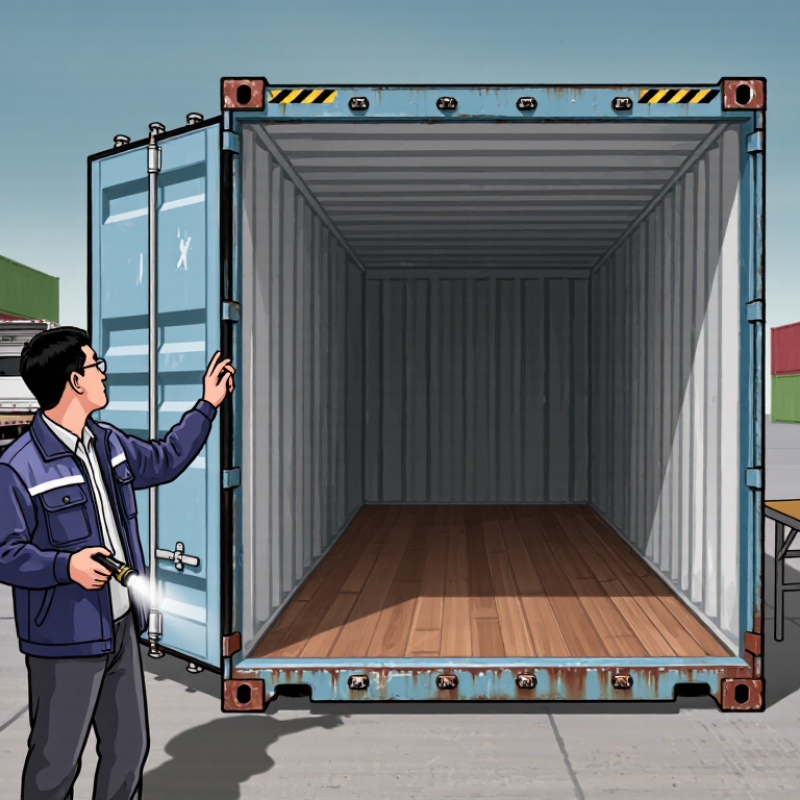
A used container can look sound from ten metres away and still leak at a door seal. Inspect it in daylight, preferably after rain. Check the roof for standing-water marks, patches, and pinholes; look along the floor for soft boards, oil stains, or daylight beneath the unit. Open and close both doors. Their rods should turn without excessive force, and the rubber gaskets should compress evenly. Bring a torch. A small torch is enough.

UNCTAD’s Review of Maritime Transport 2024 reports that global container-port throughput reached 858.9 million TEUs in 2023, up 2.4 percent from 2022.

That scale of use makes a container’s previous work and repair record worth checking, not guessing.

Ask for its identification number, dated repair invoices, inspection records, and any available cargo-use history. Match the number on the paperwork to the plate and exterior markings; unexplained gaps deserve a direct question. The International Institute of Container Lessors’ inspection guidance is a useful reference for assessing structural damage and repair quality. Look closely at welds: neat paint can conceal rough work. I would not treat a recent repaint as proof of condition. Records may be incomplete, and that matters. If the seller cannot explain a major patch or door replacement, get an independent inspection before paying.

Check Seller Credentials, Pricing, and Delivery Costs

How to Buy Second Hand Containers in 2026

Check the seller’s registered business details, physical yard address, and written ownership records before paying. Ask for the container’s identification number and dated photos of its roof, floor, door seals, and corner posts. A fresh coat of paint can hide corrosion. If you plan to ship the container internationally, confirm its inspection status and applicable certification with a qualified surveyor. Get the condition grade, dimensions, and any repair work stated on the invoice.

Compare quotes for the same size and condition, not just the headline price. Request separate figures for the container, loading, transport, unloading, and any waiting-time charges. UNCTAD’s Review of Maritime Transport 2024 documented sharp container-freight increases in 2024, a reminder that transport costs can shift quickly. Those international rates do not predict local delivery prices, so request a current, written quote to your exact site. Check access too: a narrow gate, soft ground, or low branches may require different equipment.

Tips: Ask for the delivery vehicle type and unloading method. Confirm the quote includes your postcode, access conditions, and taxes. Photograph the container on arrival, before signing acceptance. Keep a small contingency; site access is easy to underestimate.

Complete the Purchase and Arrange Transport

Before paying, get the container’s identification number, condition grade, and a written list of repairs or defects. Ask for recent photos of the roof, floor, door seals, and lower corner posts. A photo can hide a soft floor or a door that sticks. Request dimensions, too, and check that they fit your intended use.

Confirm the total price in writing, including taxes, delivery, unloading, and any waiting charges. Clarify the deposit, balance payment, and what happens if the container arrives in a different condition. Small details matter.

For transport, give the supplier your exact delivery address and describe the entrance, turning space, overhead wires, and ground surface. Measure gates and check whether a loaded truck can reach the placement spot. If a crane or lifting equipment is needed, agree who supplies it and where the container will be set down. Ask for the delivery window and a contact number for the driver. Take clear photos when it arrives, before signing off. I would not assume a firm delivery date means a trouble-free drop-off; access can still be the weak link. One missed measurement can turn a simple delivery into a costly delay.

Plug & Play Installation

Our installation services are top-notch, delivering modular systems for any application on time in plug & play condition. We leave nothing for you to figure out, set up, or fix. All you’ve to do is just step in, and get going with your business.

Dismantling & Reassembling

We hold a long-term view when we build modular rooms taking into consideration your changing needs. Whether it’s shifting your workspace to a new site, redesigning your unit to fit new requirements, or simply clearing the area at the end of the project, our Dismantling & Reassembling teams are pressed into service to get the job done in the quickest possible time and minimum resource wastage.

Interior Designing

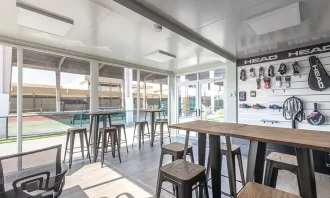
Our interior designs combine both functional and aesthetic aspects to provide you with physical and emotional comfort. We ask you for your preferences and give the best possible solutions aligned to your tastes. Our units are built to be modern, stylish, and elegant.

Bespoke Solutions

We understand that every project is unique and therefore has a different set of requirements. That’s why we believe in customizing our solutions to fit individual needs. We are equipped with the right talents, technology, and skillset to offer bespoke modular units, without compromising on turnaround time or quality.

Aftersales Service

The benefits of choosing Containers ME continues long after the installation of the units as we provide aftersales service for as long as you need. All you have to do is sign the Annual Maintenance Contract (AMC) and enjoy technical support for all the maintenance-related issues. By signing the contract, you can rest assured that a highly professional team of dedicated staff are at your service all year round to attend to your needs.

Customized Container Solutions

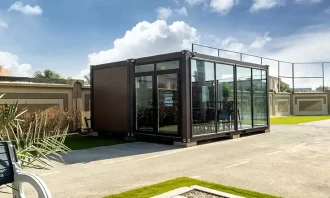
We specialize in Customized Container Solutions designed to meet diverse needs across the UAE. Our offerings include customized modular containers that cater to various applications, from tailor-made container solutions to bespoke container designs.

Whether you’re looking for personalized container homes or custom modular containers, we have you covered. Our customized container offices provide functional workspaces, while our customized portable containers ensure flexibility on-site. Explore our range of custom container storage units and customized cargo containers to optimize your space.

We also offer custom container leasing and custom container fabrication services, along with customized sea containers designed for secure transport. For specialized needs, our specialized container modifications will help you create the perfect solution for your requirements in both Dubai and the broader UAE.

Get a quote

Get a quote