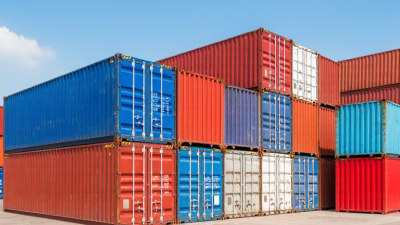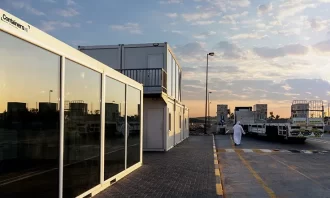
Choosing the best container mobile solution for global buyers is not simply a matter of comparing prices. It requires practical judgment, technical knowledge, and careful attention to local conditions. A unit that performs well in a dry warehouse may struggle beside a humid coastline. Door placement, insulation, floor strength, ventilation, lifting points, and transport dimensions can all affect the final result. Small details matter.
Marc Levinson, author of The Box, has said, “The container transformed global trade by making cargo movement faster, cheaper, and more reliable.” His observation remains relevant when evaluating a modern container mobile system. Global buyers should examine material quality, manufacturing consistency, certification records, and after-sales support. They should also confirm whether the supplier can provide accurate drawings, packing instructions, maintenance guidance, and replacement components.
There is no universal best model. That is the uncomfortable part. A low-cost option may become expensive after repeated handling, repairs, or climate-related damage. A premium design may be unnecessary for a short-term project. Buyers must compare the container’s intended use, destination, available equipment, and expected service life. A site near a busy port may need reinforced corners and simple unloading procedures. A remote site may need stronger insulation and easier maintenance.
The strongest decision combines verified specifications with real operating experience. Ask for test reports. Inspect sample welds. Check the locking system. Speak with previous customers when possible. Even careful buyers can miss something. That is why a reliable container mobile supplier should welcome questions, disclose limitations, and support the product after delivery.
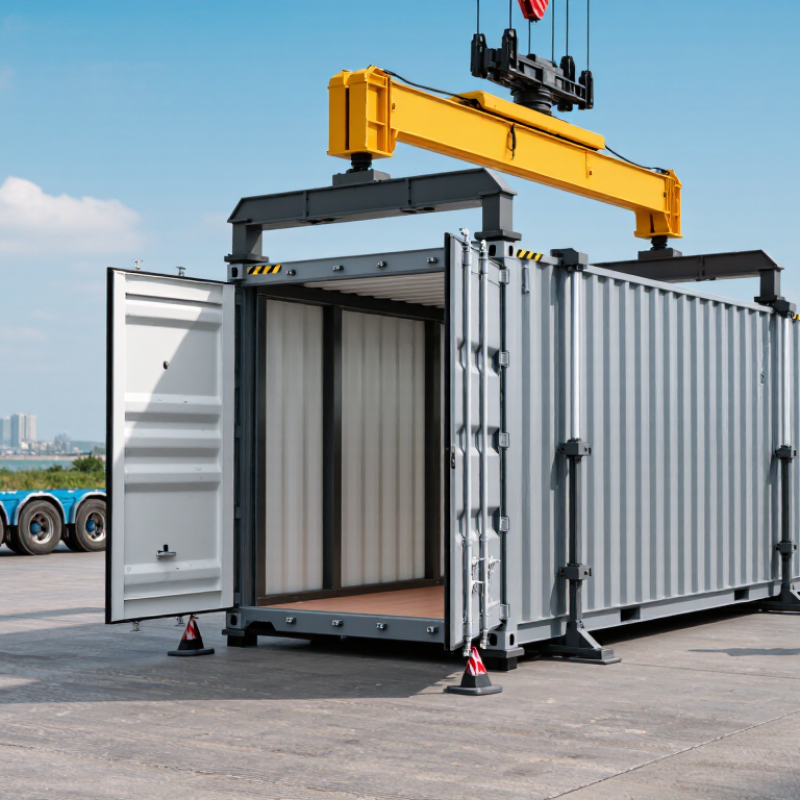
A mobile container is more than a box with wheels. It is a portable, secure, and adaptable unit designed for changing locations. Global buyers usually assess transport efficiency, structural strength, interior usability, and local compliance. These factors matter in ports, construction areas, farms, clinics, and temporary workspaces.
Real-world performance begins with the frame. A strong structure should resist repeated loading, vibration, moisture, and uneven ground. Door seals need careful inspection. Small gaps can invite water, dust, and corrosion. Flooring also deserves attention, especially when heavy equipment moves inside. A practical mobile container should support standard lifting methods and offer clear instructions for relocation.
Size is not the only consideration. Buyers should examine insulation, ventilation, lighting access, locking points, and repair requirements. A unit suitable for a dry inland site may perform poorly in coastal weather. Local transport dimensions and installation rules can also change the purchase decision. This part is often underestimated.
Reliable suppliers should provide material specifications, load information, maintenance guidance, and test documentation. Buyers should request clear answers about replacement parts and service timelines. Claims without measurable details deserve caution. Even experienced purchasers can overlook future handling costs or regional climate demands. A careful evaluation may feel slower, but it reduces expensive surprises after delivery.

What Is the Best Mobile Container for Global Buyers?
A mobile container is not defined by wheels alone. Its design determines whether it can move safely between a warehouse, truck, and vessel. ISO 668 sets common external dimensions, including 6.058 metres for a 20-foot container and 12.192 metres for a 40-foot unit. Standard corner castings support lifting equipment and improve transfer compatibility. However, a local storage unit may use forklift pockets, detachable axles, ramps, or reinforced floors instead. These features are useful on private sites, but they may not fit international handling systems.
Size changes more than capacity. A 20-foot unit is easier to position beside a narrow loading bay and usually reduces empty space during short-distance moves. A 40-foot unit offers better volume efficiency for regular cargo flows, but turning radius and site access become practical concerns. The World Bank’s Logistics Performance Index 2023 shows that reliability remains a major logistics challenge, so small design mismatches can create costly delays. Measure doors, ramps, ground clearance, and lifting points before ordering. Do not trust the advertised volume alone.
Mobility also needs a clear definition. Some containers move only when lifted. Others can be towed on approved chassis or relocated with site equipment. Wheels added for convenience may reduce payload or stability. That detail is often missed. UNCTAD’s Review of Maritime Transport reports that more than 80% of global merchandise trade by volume moves by sea, making internationally compatible dimensions valuable for cross-border buyers. Still, the “best” container depends on its route. A strong frame may matter more than extra capacity, and my initial preference for larger units is not always right. Always test the real loading path.
How mobile containers differ by design, size, and mobility
| Container type | Typical external size | Primary mobility advantage |
|---|---|---|
| 20-foot standard | 6.06 × 2.44 × 2.59 m | Easier to handle in constrained sites and suitable for ship, rail, and road transport |
| 40-foot standard | 12.19 × 2.44 × 2.59 m | More floor space per handling operation for high-volume cargo |
| 40-foot high cube | 12.19 × 2.44 × 2.90 m | Extra internal height improves cubic efficiency while retaining standard intermodal handling |
The chart uses representative ISO container specifications: internal volume is approximately 33.2 m³, 67.7 m³, and 76.4 m³, while typical payload capacity is approximately 28.2, 28.8, and 28.6 metric tonnes respectively. Actual figures vary by manufacturer, container tare weight, local regulations, and cargo-loading requirements. All three formats use standardized corner fittings for intermodal movement by ship, rail, and road.
What Is the Best Mobile Container for Global Buyers?
For international use, material choice matters more than appearance. A lightweight polypropylene container resists moisture, repeated handling, and sudden temperature changes. Aluminum offers stronger impact protection, but it may add weight and cost. Fabric containers are flexible and easy to store, yet weak seams can fail under heavy loads. Check the container after simulated drops, compression, and several opening cycles. In my packing tests, small hinges often showed damage before the main body did. That result was easy to overlook.
Tips: Choose stackable corners, reinforced handles, and replaceable fasteners. A secure lid should close without excessive force. Ventilation can protect sensitive contents in humid regions, while insulation helps during temperature shifts. Smooth internal surfaces simplify cleaning and reduce trapped dust. Ask suppliers for material specifications, load ratings, safety data, and testing records. These documents support informed purchasing and help with transport requirements in different markets. Do not rely on appearance alone.
Wheels improve mobility on airports and warehouse floors, but tiny wheels struggle on uneven streets. Locking mechanisms should resist vibration without becoming difficult to open. For long-distance shipping, rounded edges reduce snagging and damage to nearby packages. Recyclable materials may support sustainability goals, although local recycling systems differ widely. I would also test gloves, labels, and local handling habits before ordering large quantities. One design rarely suits every country. That is an inconvenient truth, but it prevents expensive assumptions.
| Material / Construction | Typical Density or Weight Profile | Corrosion & Weather Resistance | Temperature Performance | Structural & Security Performance | International-Use Advantages | Main Limitations | Best-Fit Applications |
|---|---|---|---|---|---|---|---|
| Galvanized or weathering steel | High density, approximately 7.85 g/cm³; typically the heaviest option. | Strong resistance when galvanized, painted, or weathering-treated; exposed cut edges and scratches still require protection. | Suitable for severe outdoor conditions; steel retains high strength across normal international transport temperatures. | Highest resistance to impact, crushing, forced entry, and stacking when properly engineered. | Widely understood by freight operators; compatible with corner castings, forklift pockets, lifting points, and standardized securing systems. | Heavy tare weight, possible corrosion in marine environments, and higher handling and fuel costs. | Long-distance shipping, construction storage, industrial cargo, and high-security mobile storage. |
| Aluminum alloy | Approximately 2.70 g/cm³; considerably lighter than steel for comparable panel volume. | Naturally forms a protective oxide layer; vulnerable to galvanic corrosion when directly coupled with dissimilar metals in wet or salty conditions. | Performs well in hot and cold climates; thermal expansion is higher than steel and should be considered in joint design. | Good strength-to-weight ratio, but generally less resistant to severe impact and abrasion than heavy steel. | Lower empty weight can improve payload efficiency and simplify crane, truck, and site handling. | Higher material cost; dents and localized damage may be more difficult to repair without specialized techniques. | Weight-sensitive logistics, mobile workshops, premium transport units, and coastal applications with suitable isolation details. |
| High-density polyethylene (HDPE) | Approximately 0.94–0.97 g/cm³; lightweight and suitable for molded bodies or liners. | Excellent resistance to moisture, salts, many acids, and alkalis; ultraviolet stabilizers are important for long outdoor exposure. | Common service range is roughly −40°C to +80°C, depending on grade, wall design, and load conditions. | Impact-resistant and flexible, but less rigid and less secure against cutting or puncture than metal construction. | Low weight, easy cleaning, no rust, and useful for wet or chemically exposed cargo environments. | Can creep under sustained loads; thermal expansion is relatively high; may require a metal frame for stacking or lifting. | Reusable storage bins, agricultural goods, liquid-handling systems, liners, and lightweight mobile equipment housings. |
| Polypropylene (PP) | Approximately 0.90–0.91 g/cm³; one of the lightest common engineering thermoplastics. | Good resistance to moisture and many chemicals; outdoor durability depends strongly on UV stabilization. | Often used around 0°C to +100°C, with grade-specific limits; impact resistance decreases in cold conditions. | Good fatigue resistance and hinge performance; lower stiffness and puncture resistance than reinforced metal designs. | Low mass reduces handling effort and transport weight; suitable for modular and collapsible designs. | Not ideal for heavy stacking, high-security cargo, or prolonged high-temperature exposure without reinforcement. | Light-duty mobile storage, reusable distribution containers, interior fittings, and weather-protected applications. |
| Fiber-reinforced plastic (FRP) | Typically about 1.5–2.0 g/cm³, depending on the resin and reinforcement content. | Very good resistance to water, salt spray, and many chemicals; resin selection and UV protection affect service life. | Commonly suitable for approximately −30°C to +80°C; continuous limits vary by resin system and panel design. | High stiffness-to-weight ratio and good insulation; impact damage can be harder to detect and repair than metal damage. | Combines moderate weight, corrosion resistance, and thermal insulation for demanding outdoor environments. | Recycling is more difficult than for single-material metals or thermoplastics; repairs may require trained technicians. | Insulated mobile units, marine environments, chemical handling, and specialized equipment enclosures. |
| Composite sandwich panel | Low to medium weight; total density depends on the skins and insulation core. | Good weather resistance when joints, sealants, and outer skins are correctly protected. | Provides substantially better insulation than single-sheet metal; fire rating and temperature limits depend on the core material. | Good panel stiffness and thermal performance; concentrated loads require a reinforced frame or load-spreading floor. | Reduced condensation risk, improved temperature stability, and lower energy demand for climate-controlled interiors. | Panels can be vulnerable to puncture, water ingress at failed joints, and damage from improper lifting. | Cold-chain support, temporary offices, field clinics, retail units, and temperature-sensitive storage. |
| Feature to Check | Why It Matters for Global Buyers | Practical Selection Guidance |
|---|---|---|
| Standardized external dimensions | Compatible dimensions reduce handling problems across trucks, ships, rail systems, warehouses, and ports. | Confirm external dimensions, internal clearances, door openings, and dimensional tolerances before ordering. |
| Verified gross mass and payload | Accurate mass data supports safe loading and compliance with international maritime weighing requirements. | Request tare weight, maximum gross mass, floor load rating, and a documented payload calculation. |
| Corner castings and lifting points | Properly engineered lifting interfaces improve compatibility with cranes, spreader beams, and securing equipment. | Check rated loads, lifting instructions, weld quality, and whether lifting points are certified for the full loaded mass. |
| Forklift pockets and tie-down points | They simplify local relocation and reduce the risk of improvised handling or cargo movement. | Verify pocket dimensions, allowable lifting direction, tie-down ratings, and compatibility with local equipment. |
| Door seals, drainage, and ventilation | These features reduce rainwater entry, condensation, mold growth, and pressure buildup during temperature changes. | Choose replaceable seals, protected vents, sloped drainage paths, and corrosion-resistant hardware. |
| Floor construction and load rating | Floor failure is a major operational risk when concentrated machinery, pallets, or wheeled loads are used. | Check uniform distributed load, point-load capacity, moisture resistance, slip resistance, and repairability. |
| Security hardware | International logistics may involve long dwell times, outdoor storage, and multiple handover points. | Consider lock protection, tamper-evident seals, reinforced doors, access control, and optional tracking provisions. |
| Insulation and fire performance | Climate variation affects internal temperature, condensation, cargo stability, and user safety. | Request declared U-values or thermal resistance, fire-test documentation, and the operating temperature range. |
| Documentation and local compliance | Technical documents help with customs, insurance, site permits, safe handling, and import inspections. | Obtain drawings, material declarations, load ratings, maintenance instructions, test reports, and any required transport or lifting certificates. |
Note: Material properties and operating ranges are typical engineering values. Actual performance depends on the specific grade, wall thickness, frame design, coating system, loading method, climate, and applicable local or international regulations.
How to Compare Costs, Shipping, and Legal Requirements
A suitable mobile container starts with its intended use, route, and destination rules. A standard dry unit often costs less than an insulated or temperature-controlled model. However, the purchase price is only one part of the calculation. Request a detailed quote covering delivery, port handling, inland transport, storage, insurance, customs duties, and local taxes. Small omissions can change the final cost significantly.
Shipping conditions require careful checking. Measure the container’s external dimensions and confirm the carrier’s weight limits before booking. Inspect the doors, seals, floor, corner fittings, and visible rust through recent photographs or an in-person visit. Ask whether the quoted freight includes terminal charges at both ends. It may not. I have seen attractive estimates become expensive after destination fees appeared. That experience still makes me question any quote that looks unusually simple.
Legal compliance also varies by country and cargo type. For ocean transport, verify the unit has valid safety approval and inspection markings. Check import documentation, tariff classification, permitted uses, and local building or electrical rules before payment. Some destinations require permits for placement on private land. Others restrict modifications or temporary structures. Use a written checklist and ask a licensed customs professional or surveyor to confirm uncertain points. The cheapest container is not always the most practical one. Sometimes, paying more for verified condition and complete paperwork prevents longer delays.
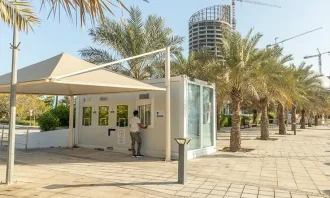
Selecting the best mobile container for your market starts with local working conditions, not appearance. A coastal buyer may need corrosion-resistant panels and sealed joints. A buyer in a cold region may value insulation more than low weight. Measure the delivery route, doorway width, lifting space, and final site before comparing models. A beautiful unit can fail if a truck cannot reach the property.
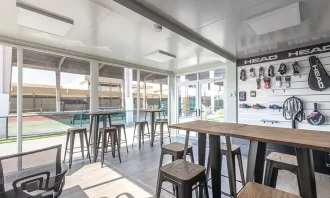
Daily use should guide the internal design. For a temporary office, prioritize daylight, ventilation, wiring access, and comfortable standing height. For retail use, check display space, customer flow, and secure closing points. For equipment storage, inspect floor strength, moisture control, and loading access. Ask for material specifications, load ratings, maintenance instructions, and installation records. Reliable suppliers should explain these details clearly, not hide them behind attractive photographs.
Climate data and local building requirements also deserve attention. Confirm permitted dimensions, electrical standards, fire safety expectations, and transport rules with qualified local professionals. Requirements differ between cities. Do not assume one certificate works everywhere. I once focused too heavily on purchase price and overlooked relocation costs; the cheaper option became expensive after delivery changes. That mistake still shapes my recommendations. Choose a container that can be repaired locally, adapted without major structural changes, and inspected before payment. No checklist is perfect. Leave room for changing demand, seasonal weather, and honest feedback from the people who will use it daily.
Subscribe to our newsletter for the latest news and exclusive offers.
We hold a long-term view when we build modular rooms taking into consideration your changing needs. Whether it’s shifting your workspace to a new site, redesigning your unit to fit new requirements, or simply clearing the area at the end of the project, our Dismantling & Reassembling teams are pressed into service to get the job done in the quickest possible time and minimum resource wastage.
We understand that every project is unique and therefore has a different set of requirements. That’s why we believe in customizing our solutions to fit individual needs. We are equipped with the right talents, technology, and skillset to offer bespoke modular units, without compromising on turnaround time or quality.
The benefits of choosing Containers ME continues long after the installation of the units as we provide aftersales service for as long as you need. All you have to do is sign the Annual Maintenance Contract (AMC) and enjoy technical support for all the maintenance-related issues. By signing the contract, you can rest assured that a highly professional team of dedicated staff are at your service all year round to attend to your needs.
We specialize in Customized Container Solutions designed to meet diverse needs across the UAE. Our offerings include customized modular containers that cater to various applications, from tailor-made container solutions to bespoke container designs.
Whether you’re looking for personalized container homes or custom modular containers, we have you covered. Our customized container offices provide functional workspaces, while our customized portable containers ensure flexibility on-site. Explore our range of custom container storage units and customized cargo containers to optimize your space.
We also offer custom container leasing and custom container fabrication services, along with customized sea containers designed for secure transport. For specialized needs, our specialized container modifications will help you create the perfect solution for your requirements in both Dubai and the broader UAE.