Blogs

What Are Shipping Container Storage Units?

Shipping container storage units are repurposed freight containers used to store tools, stock, furniture, and equipment on site or nearby. They provide a rigid steel shell, lockable doors, and a footprint that may fit beside a workshop, farm building, or job site. That sounds simple. Yet a container is not automatically a dry, convenient storage room. Its condition, placement, and airflow make a real difference. Many units come in standard lengths, but usable space also depends on door clearance, interior fittings, and what you need to reach each day.

This guide explains what shipping container storage units are, how common configurations work, and where they may be useful. It also covers choosing a size, checking floors and seals, and preparing a level, well-drained base. Small details matter: a pallet jack needs room to turn, while damp cardboard can suffer when condensation forms on steel walls. Ventilation, careful loading, and regular inspections can help reduce problems, but they cannot fix every leak or poor site condition. Security depends on the lock, door alignment, lighting, and sensible access practices—not just the container’s metal walls. Needs vary. A unit that works well for boxed tools may be awkward for long materials or items requiring frequent access. Choosing carefully matters more than assuming every container suits every job.
What Are Shipping Container Storage Units?

Definition and Core Features of Shipping Container Storage Units

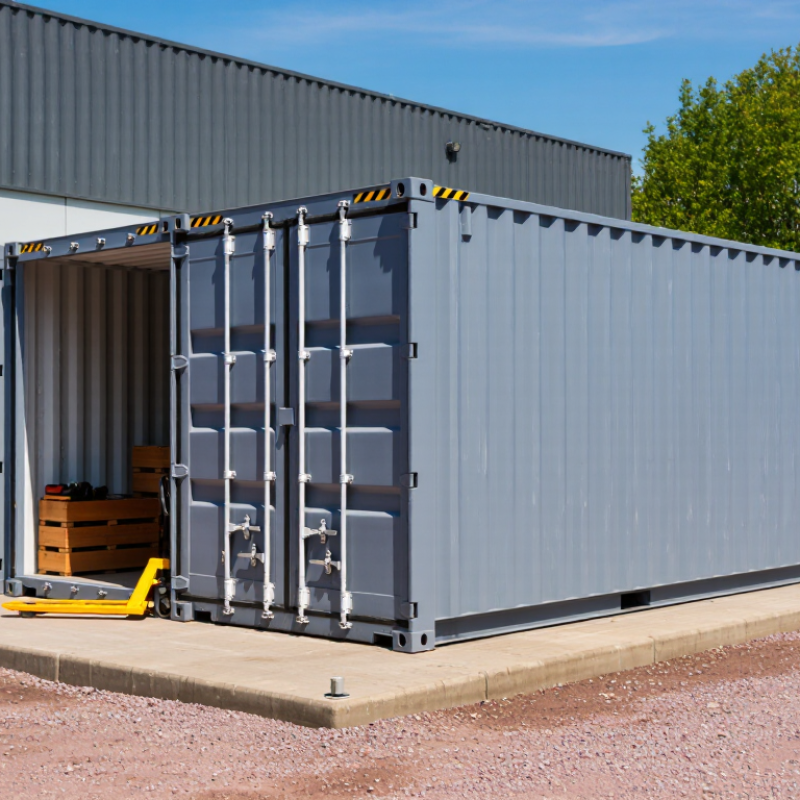
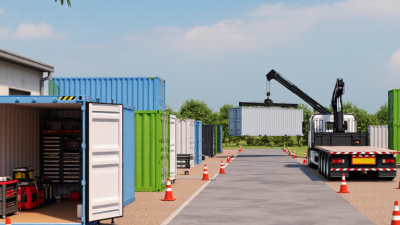
Shipping container storage units are enclosed spaces made from steel cargo containers, usually adapted for storing tools, furniture, equipment, or boxed goods. Their original purpose is transport, so they are built to handle lifting and movement. Many units have a corrugated steel shell, a raised floor, and two heavy doors at one end. Simple, but sturdy.

Common lengths include 20 and 40 feet, though exact dimensions vary by container type. The steel walls resist rain and wind when the unit is sound, and door bars can accept a lock. That matters. Still, “weather-resistant” does not mean perfectly dry: worn seals, damaged roofs, or standing water can let moisture in. A quick inspection after delivery is useful.

Inside, floors are often wood or another durable material, and ventilation may be limited. This can lead to condensation when warm, humid air meets cool metal. Stored items may need spacing from the walls, especially in damp seasons. The container also needs firm, level ground so its doors remain aligned and easy to open. Not quite effortless. Access, loading space, and the condition of the unit all shape how practical it is for everyday storage.

How Shipping Containers Are Adapted for Storage

What Are Shipping Container Storage Units?

How Shipping Containers Are Adapted for Storage

Shipping container storage units begin as steel cargo boxes, but storage use calls for practical changes. A unit may be cleaned, inspected, and fitted with shelving or tie-down points. The original floor is often retained, though damaged boards may need repair. Good preparation starts with checking for leaks, sharp edges, and doors that stick.

Moisture deserves attention. Rain can enter through worn seals, while temperature changes may cause condensation inside. Ventilation openings can help, but they need weather-resistant covers. Insulation may suit temperature-sensitive goods, yet it can reduce usable space and hide damp spots. Details matter. A converted unit is not automatically dry.

Access and layout should match what will be stored. Wide doors make bulky items easier to move, while a ramp can help with wheeled equipment. Shelves should be secured to the structure, not left loose to shift during loading. The ground beneath the unit also matters; a level, well-drained base helps doors operate properly. It is easy to underestimate how much airflow, lighting, and clear walking space affect daily use. Planning these details before modification can prevent awkward fixes later.

Common Sizes and Available Configurations

Shipping container storage units commonly come in 10-foot, 20-foot, and 40-foot lengths. Most standard units are about 8 feet wide and 8.5 feet high on the outside. A high-cube model adds roughly one foot of height, which helps with tall shelving or bulky equipment. Actual interior space is smaller because walls, doors, and framing take room. Check measured usable dimensions before planning a tight fit.

A 10-foot unit suits tools, seasonal items, or supplies for a small work area. A 20-foot container offers room for furniture, boxed inventory, or equipment, while a 40-foot unit fits larger storage needs when the site allows delivery and access. Sizes vary a little. A chart can look exact, but door clearance and floor height matter too.

Configurations change how a unit works day to day. Standard end doors support straightforward loading; double doors at both ends can make access easier. Side-opening units expose more of the interior, though they need clear space beside the container. Shelving, lighting, ventilation, insulation, and lockable personnel doors may also be available. These options are not always included, and added fittings can reduce usable space. It is easy to underestimate that detail. Check the ground, turning room, and delivery path before choosing a size.

What Are Shipping Container Storage Units? — Common Sizes and Available Configurations
Unit Type Nominal Exterior Size (L × W × H) Typical Interior Size (L × W × H) Approx. Interior Volume Common Storage Configuration
10-foot compact unit 10 × 8 × 8 ft 6 in About 9 ft 3 in × 7 ft 8 in × 7 ft 10 in About 560 cu ft Compact dry-storage unit, often converted or shortened from a larger container. Interior dimensions and door arrangement vary by supplier.
20-foot standard-height unit 20 × 8 × 8 ft 6 in About 19 ft 4 in × 7 ft 8 in × 7 ft 10 in About 1,170 cu ft General-purpose dry storage with end doors; suitable for household goods, tools, and equipment.
40-foot standard-height unit 40 × 8 × 8 ft 6 in About 39 ft 5 in × 7 ft 8 in × 7 ft 10 in About 2,390 cu ft Long dry-storage space, typically with end doors. Useful for bulky items or larger inventories.
40-foot high-cube unit 40 × 8 × 9 ft 6 in About 39 ft 5 in × 7 ft 8 in × 8 ft 10 in About 2,690 cu ft Dry storage with roughly one extra foot of exterior height compared with a standard-height unit, providing more vertical clearance.
45-foot high-cube unit 45 × 8 × 9 ft 6 in About 44 ft 5 in × 7 ft 8 in × 8 ft 10 in About 3,040 cu ft Extra-long, high-cube dry storage. Availability and site access can be more limited than for 20- and 40-foot units.
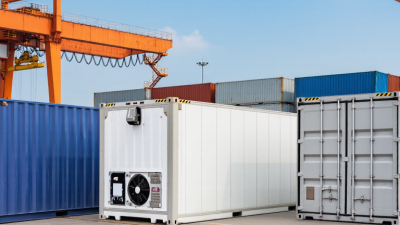
Refrigerated unit Commonly 20 or 40 ft; exterior height varies Smaller than a comparable dry unit because of insulation and refrigeration equipment Varies by model Insulated storage with temperature-control equipment; requires a suitable power supply and operating conditions.
Special-access configuration Commonly available in 20- or 40-foot lengths Depends on base size and door design Depends on base size Options may include doors at both ends, side-opening doors, or an open-top design. These configurations are useful when access or loading needs differ from standard end-door storage.
Note: Dimensions and volume are approximate. Actual measurements vary by container design, age, door hardware, insulation, and modifications. Confirm clear interior dimensions and access requirements before choosing a unit.

Delivery, Placement, and Access

Shipping container storage units are delivered by truck, so access matters before the container arrives. UNCTAD’s Review of Maritime Transport 2024 reports that global container port throughput reached about 858.9 million TEUs in 2023. That scale depends on standardized equipment, but a storage unit still needs a site-specific delivery plan. A typical 20-foot container is about 20 feet long and 8 feet wide; ISO 668:2020 defines standard container dimensions. Measure the entrance, overhead clearance, and turning area, then compare them with the delivery vehicle—not just the container. A low branch or parked car can turn an easy drop-off into a delay.

Placement needs a firm, level surface, such as compacted gravel or concrete, with support under the corner castings. Ask the carrier how much straight-line space its truck needs to unload; equipment and methods vary. Keep doors facing a usable work area, with enough room to swing them open and move bulky items through. Sounds obvious. It gets missed. Check for slopes, soft ground, drains, and overhead wires, and confirm who is responsible for moving obstacles. Access also changes after delivery: leave a clear route for people, carts, and routine inspections. I’d recheck the plan on delivery day; measurements taken weeks earlier can be stale.

Typical Uses, Benefits, and Limitations

What Are Shipping Container Storage Units?
Typical Uses, Benefits, and Limitations

Shipping container storage units are steel cargo boxes repurposed to hold equipment, household belongings, or building supplies. A common 20-foot unit offers a compact footprint, while longer models suit bulky loads. People use them at construction sites, farms, and homes during renovations. A level surface and clear door access make daily use easier. Simple, but not effortless.

Their appeal is practical: sturdy walls, lockable doors, and delivery to many sites. UNCTAD’s Review of Maritime Transport 2024 reports that global container port throughput reached 858.9 million TEUs in 2023, up 2.4% from 2022. That figure measures port traffic, not storage-unit demand; it does, however, reflect the scale of standardized containers in shipping networks. For short-term storage, a unit can reduce repeated trips. Still, convenient delivery does not guarantee a suitable site.

Limitations matter. Steel can heat up in direct sun, and temperature changes may cause condensation. Paper goods, fabrics, and electronics need extra protection in damp conditions. Check seals, ventilation, flooring, and the ground beneath the unit before loading. A bare steel box is not climate control. I would also leave room to reach items at the back; otherwise, a neatly packed unit can become frustrating fast.

What Are Shipping Container Storage Units?

Typical uses, benefits, and limitations

Shipping containers are repurposed steel units commonly used for storing tools, equipment, inventory, and household goods. A standard 20-foot dry container offers about 1,170 cubic feet of interior volume; a 40-foot unit offers about 2,390 cubic feet. Actual capacity varies by container design. Containers are durable and portable, but require suitable site access and a level base, and may need ventilation or moisture control.

Plug & Play Installation

Our installation services are top-notch, delivering modular systems for any application on time in plug & play condition. We leave nothing for you to figure out, set up, or fix. All you’ve to do is just step in, and get going with your business.

Dismantling & Reassembling

We hold a long-term view when we build modular rooms taking into consideration your changing needs. Whether it’s shifting your workspace to a new site, redesigning your unit to fit new requirements, or simply clearing the area at the end of the project, our Dismantling & Reassembling teams are pressed into service to get the job done in the quickest possible time and minimum resource wastage.

Interior Designing

Our interior designs combine both functional and aesthetic aspects to provide you with physical and emotional comfort. We ask you for your preferences and give the best possible solutions aligned to your tastes. Our units are built to be modern, stylish, and elegant.

Bespoke Solutions

We understand that every project is unique and therefore has a different set of requirements. That’s why we believe in customizing our solutions to fit individual needs. We are equipped with the right talents, technology, and skillset to offer bespoke modular units, without compromising on turnaround time or quality.

Aftersales Service

The benefits of choosing Containers ME continues long after the installation of the units as we provide aftersales service for as long as you need. All you have to do is sign the Annual Maintenance Contract (AMC) and enjoy technical support for all the maintenance-related issues. By signing the contract, you can rest assured that a highly professional team of dedicated staff are at your service all year round to attend to your needs.

Customized Container Solutions

We specialize in Customized Container Solutions designed to meet diverse needs across the UAE. Our offerings include customized modular containers that cater to various applications, from tailor-made container solutions to bespoke container designs.

Whether you’re looking for personalized container homes or custom modular containers, we have you covered. Our customized container offices provide functional workspaces, while our customized portable containers ensure flexibility on-site. Explore our range of custom container storage units and customized cargo containers to optimize your space.

We also offer custom container leasing and custom container fabrication services, along with customized sea containers designed for secure transport. For specialized needs, our specialized container modifications will help you create the perfect solution for your requirements in both Dubai and the broader UAE.

Get a quote

Get a quote